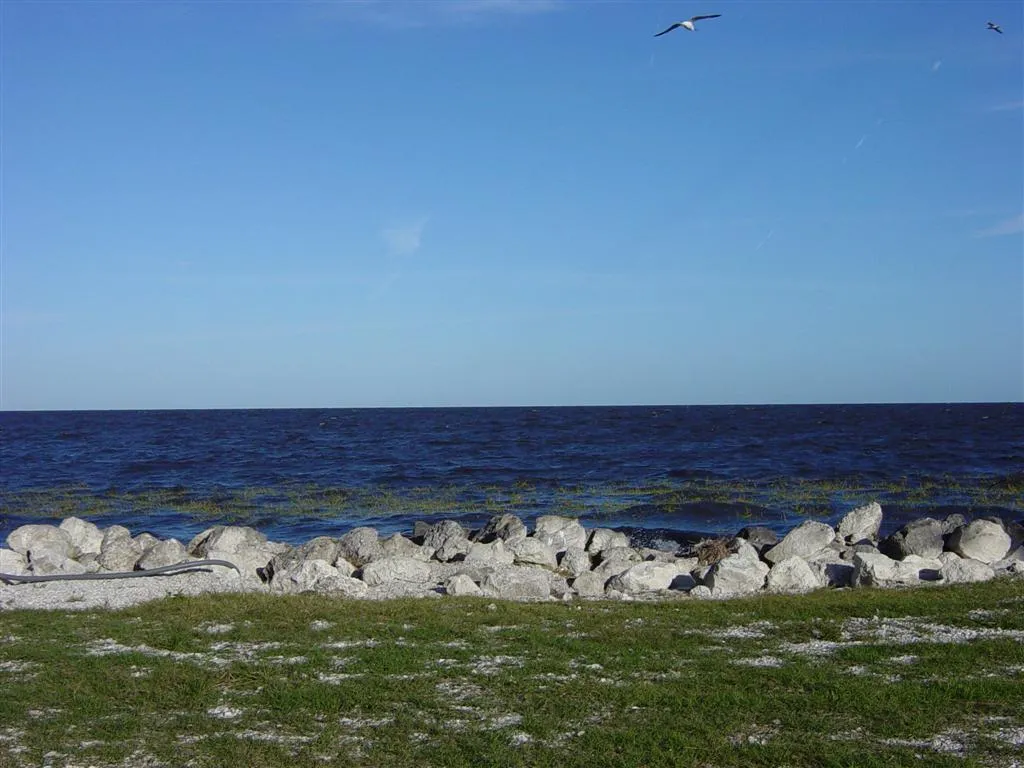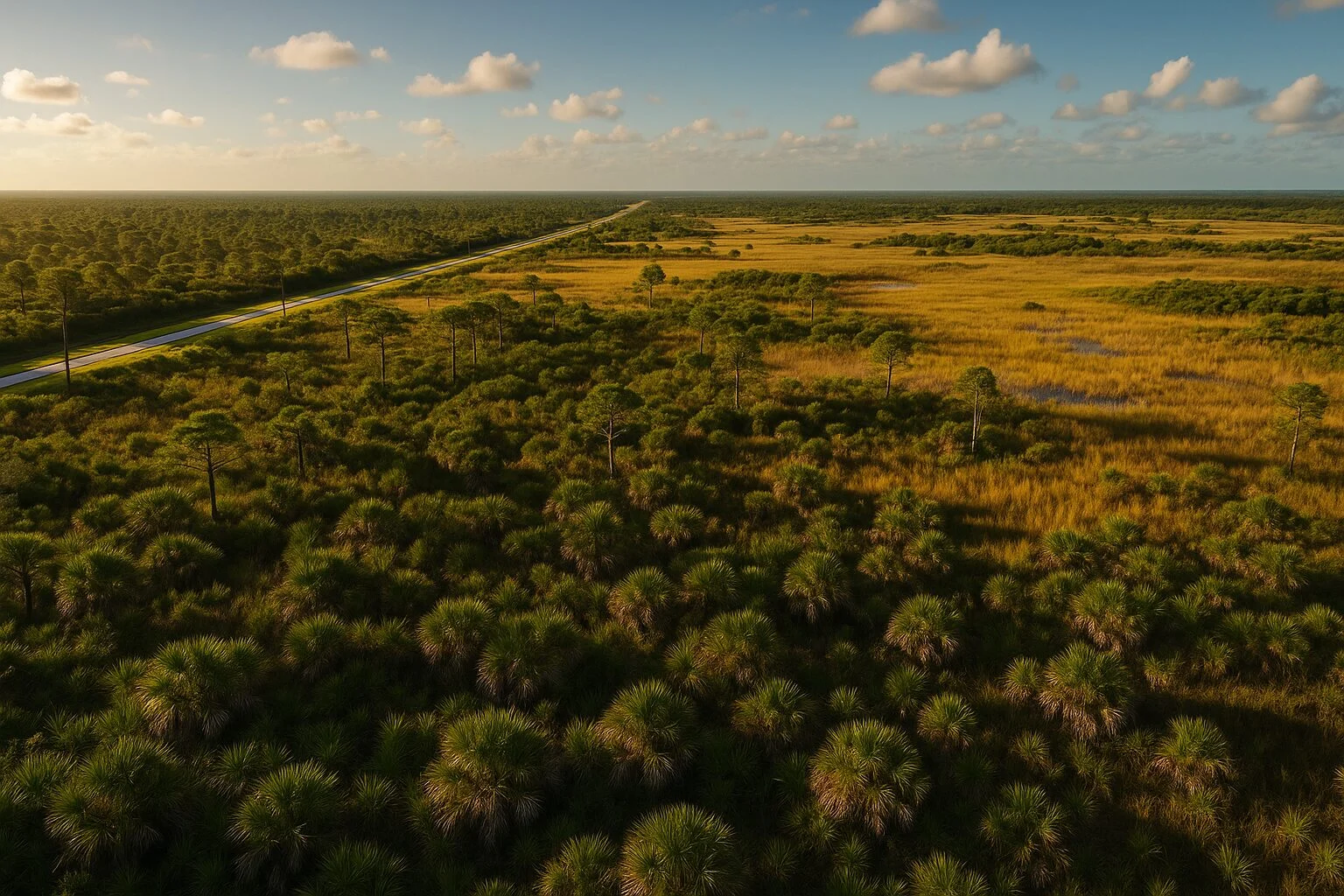
The Indian River Lagoon spans 156 miles through the Treasure Coast, offering calm-water paddling through mangrove tunnels, seagrass flats, and open water. Launch sites are available in Stuart, Jensen Beach, Fort Pierce, Port St. Lucie, and Vero Beach. Best conditions occur during early morning hours, just after sunrise, with low wind and incoming tides. Permits are not required for recreational paddling.
About the Indian River Lagoon
The Indian River Lagoon is the most biodiverse estuary in North America, supporting over 4,300 species of plants and animals. The lagoon system extends from Ponce de León Inlet in Volusia County south to Jupiter Inlet in Palm Beach County.
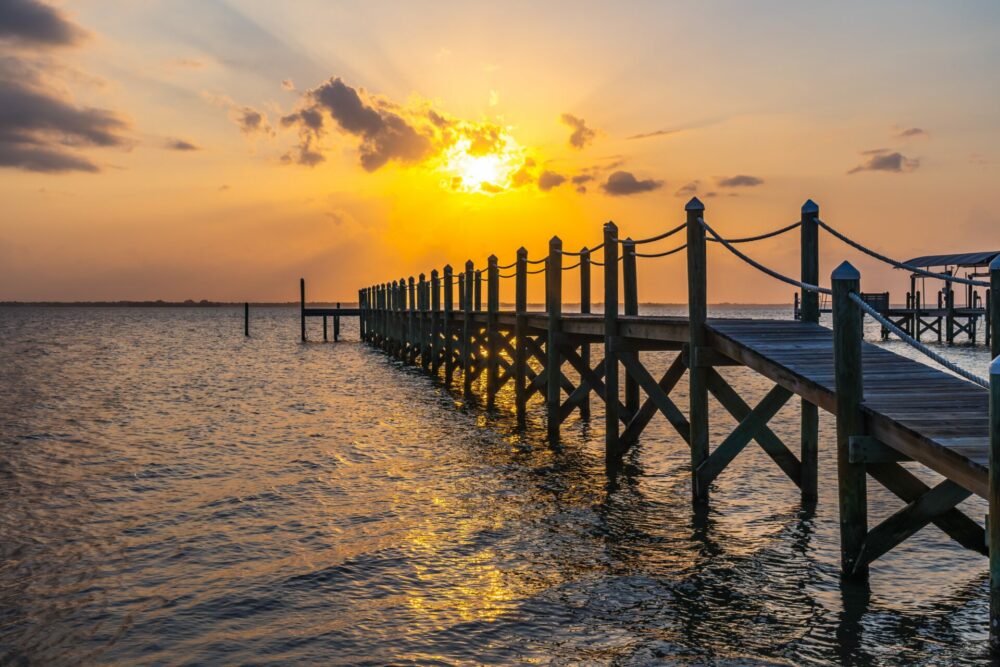
On the Treasure Coast, the lagoon includes the Indian River proper and the St. Lucie River. Average depth ranges 3–6 feet, making it ideal for kayaking and shallow-draft vessels. Along Florida’s central Treasure Coast, the lagoon often feels more like a quiet river than a large estuary.
Water clarity varies by location and season. Northern sections near Vero Beach typically offer clearer water, while areas near inlets experience tidal influence and reduced visibility.
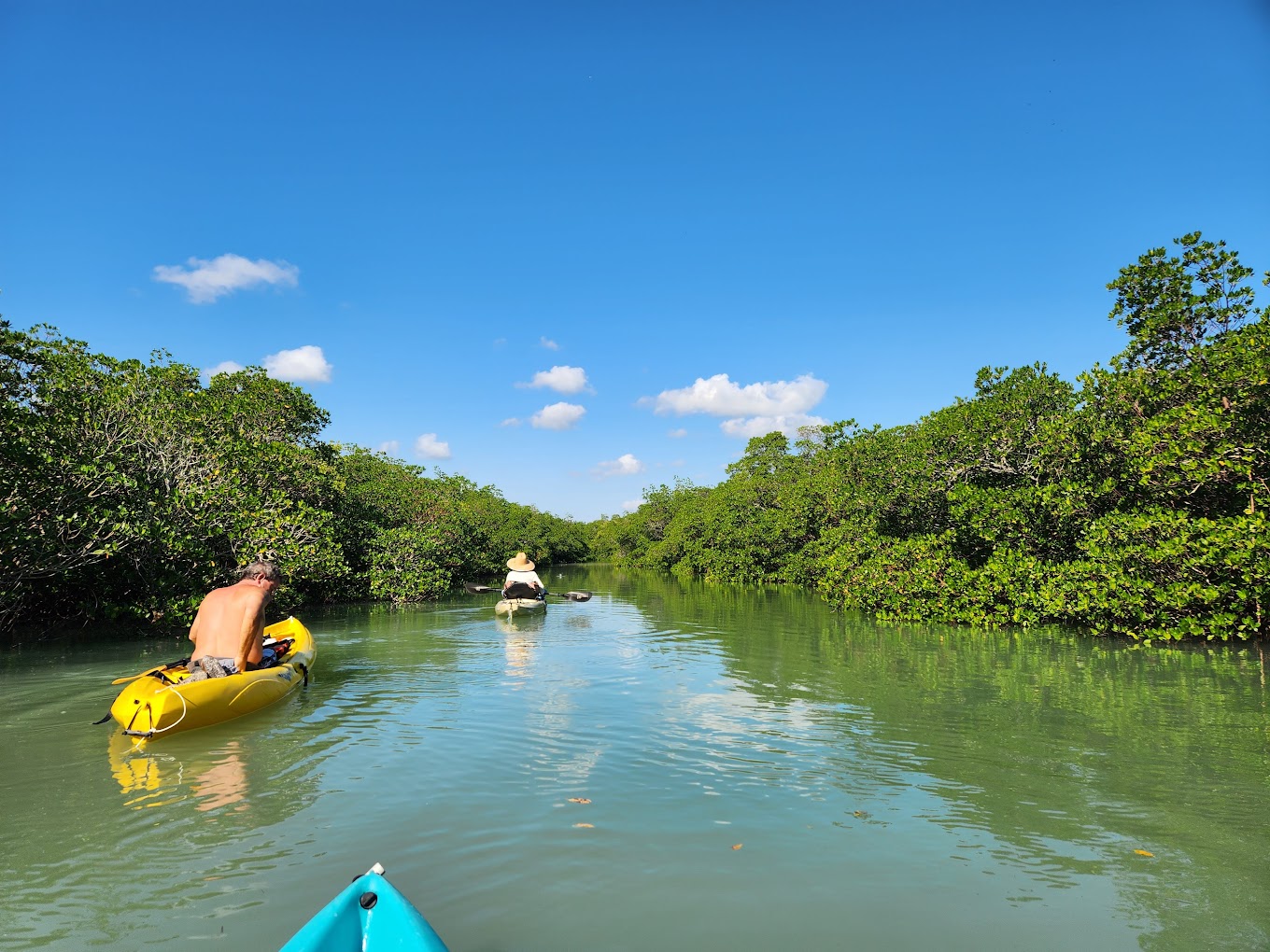
The lagoon ecosystem includes seagrass beds, oyster reefs, mangrove forests, and salt marshes. These habitats support manatees, dolphins, sea turtles, rays, and over 300 species of fish.
Planning Your Paddle
Best Time to Get Out
Optimal Time of Day: Early morning, just after sunrise
Optimal Seasons: October through May; summer is fine, but could be warmer
Water Temperature: 70–85°F year-round
Air Temperature: 65–90°F depending on season
Early morning paddles offer the calmest conditions. Winds are typically lighter, the water is calmer, and wildlife activity is at its peak. Winds typically increase after 11 a.m., particularly during winter months when cold fronts generate stronger afternoon breezes.
Summer months (June–September) bring afternoon thunderstorms. Lightning poses a significant danger in open water. Monitor weather forecasts and avoid paddling when storms are predicted.
Choosing Your Kayak Type
Traditional Kayaks require paddling effort and upper body strength. They work well for experienced paddlers on shorter trips.
Motorized Kayaks provide an alternative for longer explorations, allowing paddlers to cover more distance with less physical exertion. The quiet electric motors don’t disturb wildlife and make extended tours accessible to all fitness levels. Motorized Kayak Adventures in Fort Pierce offers guided tours using eco-friendly motorized kayaks, led by certified Master Naturalists who share expertise on local wildlife and ecosystems.
🛶 To Motorized Kayak Adventure tours, call them today to learn more and book.
Tide Considerations
Tidal Range: 1–3 feet on the Treasure Coast
Incoming tides make paddling into mangrove areas easier as water levels rise. Outgoing tides can expose oyster beds and shallow flats, requiring careful navigation.
Check tide charts before departure. NOAA tide predictions are available for stations at Stuart, Fort Pierce Inlet, and Vero Beach.
Paddling with the tide reduces effort. Plan routes that allow tidal current to assist rather than oppose your direction of travel.
What to Bring
Highly-recommended Equipment:
- Coast Guard-approved personal flotation device (PFD)
- Whistle or sound-producing device
- Paddle leash to prevent loss
- Anchor or stake-out pole
Recommended Items:
- Dry bag for phones, keys, and valuables
- Water (1 liter minimum per person)
- Sunscreen (reef-safe formula)
- Wide-brimmed hat
- Polarized sunglasses
- First aid kit
- Navigation app or GPS device
Optional Equipment:
- Fishing gear (valid Florida license required)
- Underwater camera
- Binoculars for wildlife observation
- Waterproof chart or map
Launch Sites and Access Points
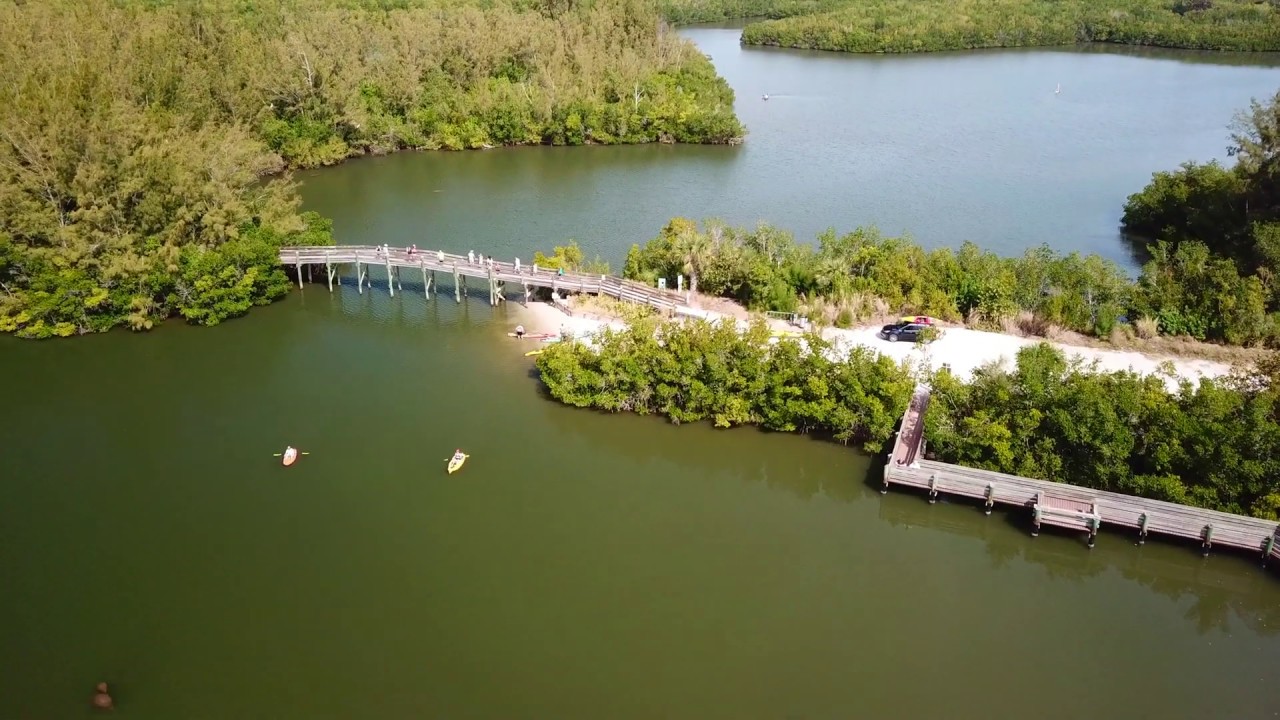
Indian River County Launch Sites
Round Island Riverside Park (Vero Beach)
Location: 6800 77th St, Vero Beach, FL 32967
Type: County park with protected lagoon access
Parking: Free parking available
Facilities: Restrooms, picnic areas
This launch offers protected water and mangrove-lined shorelines. The sheltered location provides ideal conditions for beginners and excellent wildlife observation opportunities around North Hutchinson Island.
Vero Beach City Marina
Location: 3611 Rio Vista Blvd, Vero Beach, FL 32963
Type: Public marina with kayak launch
Parking: Free parking available
Facilities: Restrooms, restaurant nearby
Launch provides access to calm lagoon waters and canals. The area offers good water clarity and frequent dolphin sightings.
Riverside Park
Location: 3001 Riverside Park Dr, Vero Beach, FL 32963
Type: City park adjacent to the Vero Beach Museum of Art
Parking: Free parking
Facilities: Restrooms, picnic areas
Small beach area allows kayak launching. Paddle along the western shore with views of waterfront homes and natural shoreline sections.
Wabasso Causeway Park (Wabasso)
Location: Wabasso Road at A1A, Wabasso, FL
Type: Causeway park with lagoon access
Parking: Free parking
Facilities: Restrooms, fishing areas
Known for calm conditions and frequent bird sightings. Launch from the lagoon side for protected paddling along natural shorelines.
St. Lucie County Launch Sites
Pepper Beach Park (Fort Pierce)
Location: North Beach Causeway, Fort Pierce, FL 34949
Type: Park with lagoon access
Parking: Available parking
Facilities: Restrooms nearby
Provides easy lagoon access with shallow flats close to shore. The protected area is suitable for paddlers of all skill levels. The kayak launch is on the west side of A1A.
Stan Blum Boat Ramp (Fort Pierce)
Location: Seaway Drive, Fort Pierce, FL 34949
Type: Public boat ramp facility near Downtown Fort Pierce
Parking: Paved parking lot
Facilities: Restrooms, fish cleaning station
Easy lagoon access with shallow flats close to shore. The ramp accommodates both kayaks and motorized vessels.
River Park Marina (Port St. Lucie)
Location: 500 E Prima Vista Blvd, Port St. Lucie, FL 34983
Type: Public m
Parking: Public lot nearby
Facilities: Restrooms
Launch leads into sheltered backwaters rich with wildlife. The marina location provides convenient access to downtown amenities.
Causeway Cove Marina (Fort Pierce)
Location: 1660 Seaway Dr, Fort Pierce, FL 34949
Type: Marina with lagoon access
Parking: Available parking
Facilities: Restrooms, boat services
Access to sheltered backwaters and mangrove areas. The launch provides protection from wind and current.
Fort Pierce Inlet State Park
Location: 905 Shorewinds Dr, Fort Pierce, FL 34949
Type: State park with lagoon access
Parking: $6 per vehicle
Facilities: Restrooms, picnic areas
Launch from the lagoon side for protected paddling into sheltered backwaters rich with wildlife. The area near the inlet experiences stronger currents and requires advanced skills. Manatee sightings are common in cooler months.
Ten Mile Creek Preserve (Fort Pierce)
Location: 3401 Gordy Rd, Fort Pierce, FL 34945
Type: Conservation area
Parking: Limited parking at preserve entrance
Facilities: None
Quiet, scenic paddling option with winding creeks and abundant birdlife. The preserve offers a more remote experience away from development.
Evans Creek Canoe and Kayak Launch (Port St. Lucie)
Location: Look for Savannas Preserve signs on the west side of US-1
Type: Designated paddling launch
Parking: Parking available
Facilities: Basic amenities
Quiet, scenic option with winding creeks and abundant birdlife. The narrow creek provides shelter from wind.
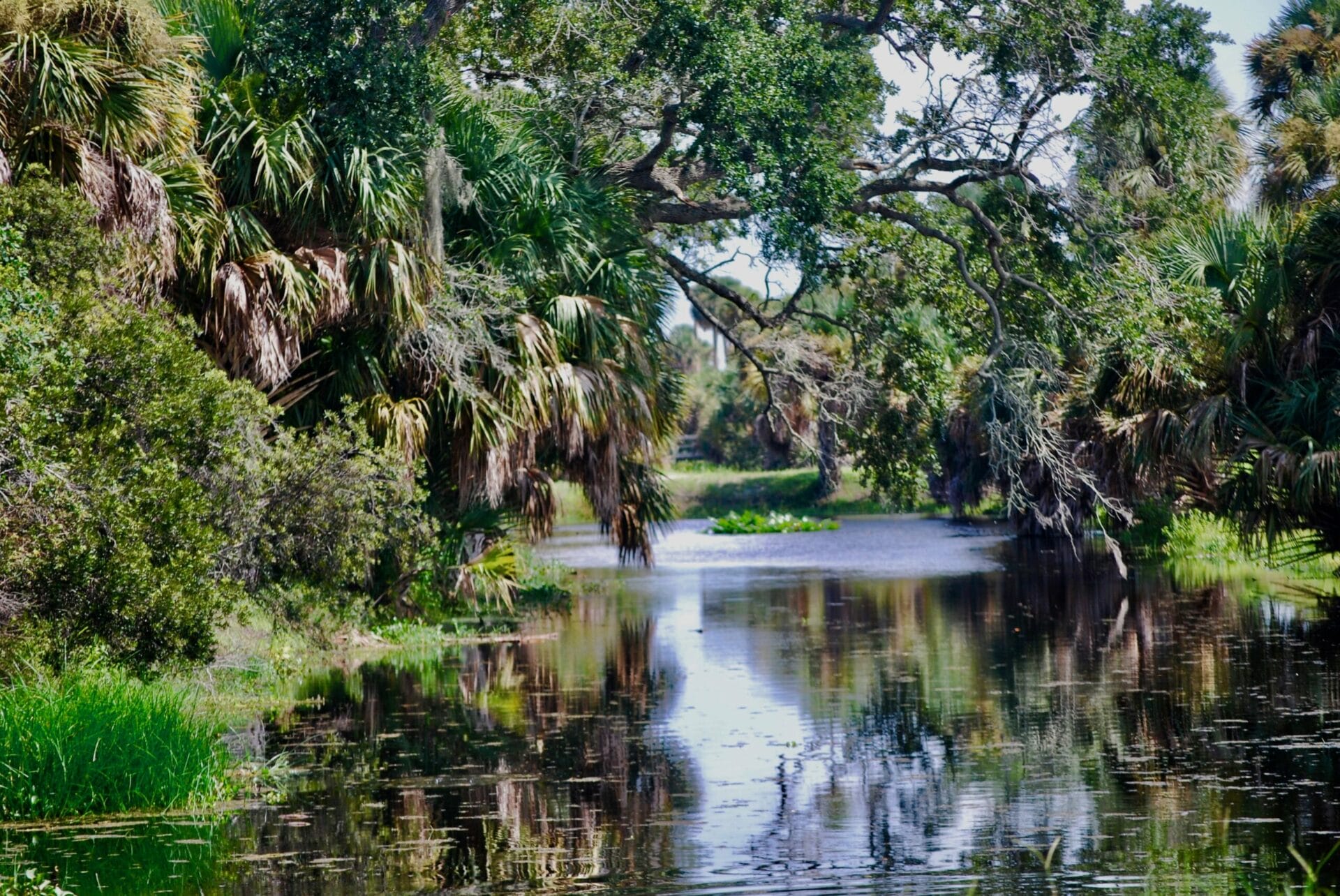
Martin County Launch Sites
Cove Road Park (Stuart)
Location: SE Cove Road, Stuart, FL 34997
Type: County park with lagoon access
Parking: Small parking area
Facilities: None
Launch provides access to scenic paddling along mangroves and shallow flats with minimal boat traffic. Go all the way to the eastern end of Cove Road.
Jensen Beach Causeway Park
Location: 2302 NE Causeway Blvd, Jensen Beach, FL 34957
Type: Public park with designated kayak launch
Parking: Free lot with 50+ spaces
Facilities: Restrooms, playground, picnic areas
The lagoon-side launch provides easy access to calm waters. Paddle north toward Stuart or south toward Fort Pierce along mangrove shorelines. The area offers beginner-friendly conditions with protection from wind and scenic routes along mangroves and shallow flats.
Sandsprit Park (Stuart)
Location: 3443 SE St. Lucie Blvd, Stuart, FL 34997
Type: County park with lagoon access
Parking: Free parking
Facilities: Restrooms, picnic areas, playground
Scenic routes along mangroves and shallow flats. The park provides protected launch area with easy access to the St. Lucie River. This is a heavily trafficked boat area, so you’ll want to plan accordingly.
Stuart Causeway (Ernest Lyons Bridge)
Location: SE Causeway Blvd, Stuart, FL 34996
Type: Roadside launch near bridge
Parking: Limited roadside parking
Facilities: None
This launch provides access to the St. Lucie River and northern Indian River Lagoon. More experienced paddlers can navigate the Intracoastal Waterway, but boat traffic requires caution.
Walton Rocks Beach Access (Hutchinson Island)
Location: Ocean Boulevard, Stuart, FL 34996
Type: Beach access with lagoon launch (Ocean Bay riverside access)
Parking: Sand lot and roadside parking
Facilities: Bathrooms
Technically in St. Lucie County, but in Jensen Beach, this scenic route is along mangroves and shallow flats. The launch provides access to northern Hutchinson Island’s protected western shore. The beach is used as a waypoint, but to get to the lagoon, you’ll go about 100 yards south to Ocean Bay’s riverside section.
Halpatiokee Regional Park
Location: 8303 SW Lost River Rd, Stuart, FL 34997
Type: County park with river access
Parking: Large lot, free admission
Facilities: Restrooms, picnic pavilions
The launch accesses the South Fork of the St. Lucie River. Paddle through cypress-lined waterways with minimal development. The area offers excellent wildlife observation opportunities. Similar to Ten Mile Creek, this is remote and inland; it’s not what most people expect when kayaking the Indian River Lagoon.
Special Destination: Blue Cypress Conservation Area
Middleton’s Fish Camp (West of Vero Beach)
Location: 26700 County Road 512, Fellsmere, FL 32948
Type: Private fish camp with public access
Parking: Available parking
Facilities: Boat ramp, fish camp services
Located just west of the lagoon system, Blue Cypress Lake offers a completely different paddle among ancient cypress trees and nesting birds. The lake provides a remote wilderness experience distinct from the lagoon environment, if you want something different.
View this post on Instagram
Popular Paddling Experiences
Guided Tours vs. Self-Guided Exploration
Guided Tours provide expert knowledge, safety supervision, and insider access to hidden locations. Certified naturalists identify wildlife, explain ecosystem dynamics, and navigate to prime viewing areas. Tours include all equipment and often provide photography services.
Motorized Kayak Adventures operates multiple tour types from Fort Pierce locations:
- Jungle Tours venture deep into hidden mangrove tunnels
- Indian River Lagoon Tours explore the heart of Florida’s ecosystem
- Full Moon Tours experience the magic of moonlight paddling
- Private Tours create customized adventures for families and groups
- Weekend Tours offer Saturday morning explorations from various launch points
Tours accommodate all experience levels and fitness capabilities. The motorized kayaks allow guests to focus on wildlife observation rather than physical exertion.
Self-Guided Paddling offers flexibility and independence. Experienced kayakers can explore at their own pace, choose their own routes, and adjust plans based on conditions and interests.
Beginner-Friendly Routes
Jensen Beach Causeway to Indian River Plantation (3 miles round trip)
Paddle south along the western mangrove shoreline. The protected route offers calm conditions with easy navigation. Turn around at the channel markers near Indian River Plantation.
Round Island Riverside Park Loop (2 miles)
Explore protected waters and mangrove-lined shorelines. The sheltered area provides excellent introduction to lagoon paddling with minimal current.
Wabasso Causeway Shoreline Paddle (2–3 miles round trip)
Follow mangrove shorelines in calm conditions. The area is known for bird sightings including herons, egrets, and roseate spoonbills.
Intermediate Routes
Stuart to Jensen Beach (6 miles one-way)
Follow the western shoreline from Stuart south to Jensen Beach. Arrange shuttle transportation or paddle round trip. The route passes residential areas and preserved mangrove sections.
Savannas Preserve Paddling Trail (4–6 miles)
Marked trail system through freshwater marsh habitat. Follow white and blue trail markers. The route requires map or GPS as landmarks are limited in open marsh areas.
Ten Mile Creek Exploration (3–5 miles)
Paddle winding creeks through Port St. Lucie conservation areas. The narrow waterways provide shelter and abundant wildlife viewing.
Advanced Routes
Fort Pierce Inlet to Round Island (5 miles round trip)
Experienced paddlers can navigate from the inlet north along Hutchinson Island’s western shore. Strong currents near the inlet require advanced skills and timing with tidal flow.
St. Lucie Inlet Access (boat-in only)
Kayakers with ocean experience can access St. Lucie Inlet Preserve State Park via the inlet. Strong currents and boat traffic make this route suitable only for advanced paddlers with inlet navigation experience.
View this post on Instagram
Wildlife Observation
The Indian River Lagoon supports diverse wildlife visible from kayaks. The lagoon rewards patience—and no two trips are ever the same.
Paddling Approach for Wildlife Viewing:
- Move slowly and quietly
- Keep voices low
- Follow the shoreline where wildlife concentrates
- Avoid sudden movements
- Use binoculars for distant observation
Common Sightings:
- Bottlenose dolphins (year-round, most active early morning)
- Manatees (November–March in warmer water areas)
- Sea turtles (May–October)
- Rays including spotted eagle rays and cownose rays
- Herons, egrets, and pelicans (year-round)
- Ospreys and bald eagles (winter months most active)
- Roseate spoonbills (April–October)
- Nesting birds at Blue Cypress Lake and preserve areas
Guided tours with experienced naturalists significantly increase wildlife encounter opportunities. Local guides know seasonal patterns, preferred habitats, and optimal viewing times. Motorized Kayak Adventures guides are certified Master Naturalists who share detailed knowledge of local species and ecosystems.

Manatee Interaction Rules:
Federal law protects manatees under the Marine Mammal Protection Act and the Endangered Species Act. Kayakers must maintain minimum distances:
- Look but do not touch
- Do not chase or pursue manatees
- Avoid areas posted as manatee sanctuaries
- If a manatee approaches, remain still and allow it to pass
Violations carry penalties up to $50,000 and one year imprisonment.
Dolphin Observation:
Dolphins frequently approach kayaks. Maintain distance and avoid disrupting feeding or resting behavior. Never feed dolphins.
Safety & Regulations
Kayaks must follow the same navigation rules as motorized vessels when operating in marked channels:
- Keep right in narrow channels
- Yield to larger vessels with limited maneuverability
- Stay clear of marked channels when possible
- Cross channels at right angles when necessary
The Intracoastal Waterway carries significant boat traffic. Cross with caution and watch for approaching vessels from both directions.
Weather Hazards
Lightning: Florida ranks highest nationally for lightning strikes. Kayakers on open water are exposed with no protection. Monitor weather and return to shore if storms approach.
Thunderstorms: Develop rapidly in summer months, typically after noon. Morning paddling reduces storm risk.
Wind: Afternoon sea breezes create choppy conditions and make paddling difficult. Wind speeds above 15 mph create challenging conditions for novice paddlers.
Cold Fronts: Winter cold fronts bring strong north winds and rough water. Check marine forecasts before departure.
Water Conditions
Currents: Tidal currents near inlets can reach 2–3 knots. Current strength increases during new and full moon phases.
Boat Wakes: Large vessels create wakes that reach shore minutes after passing. Point kayak bow into wakes to avoid capsizing.
Shallow Water: Oyster beds and shallow flats can damage kayaks and cause injury. Wear water shoes if exiting kayak.
Heat and Sun Exposure
Summer temperatures regularly exceed 90°F with high humidity. Bring adequate water and apply sunscreen regularly.
Early signs of heat exhaustion include dizziness, nausea, and fatigue. Return to shore and seek shade if symptoms develop.

Fishing from Kayaks
Kayak fishing is popular in the Indian River Lagoon. Florida fishing licenses are required for residents and non-residents ages 16 and older.
Target Species:
- Snook (catch-and-release only December 15–January 31 and June 1–August 31)
- Redfish (slot limit 18–27 inches, one fish per day)
- Spotted seatrout (15–20 inch slot, four fish per day)
- Tarpon (catch-and-release only, special permit required for harvest)
Fishing regulations are enforced by Florida Fish and Wildlife Conservation Commission (FWC) officers. Violations result in fines and potential license suspension.
Suggested Tour Options & Rentals
Motorized Kayak Adventures (Fort Pierce)
Location: Tours depart from Causeway Cove Marina and other Fort Pierce locations
Contact: (772) 380-6815
Website: motorizedkayakadventures.com
Tour Options:
- Jungle Tour ($75, 2–2.5 hours): Deep exploration of mangrove tunnels and hidden waterways
- Indian River Lagoon Tour ($65, 2 hours): Comprehensive ecosystem tour with wildlife focus
- Full Moon Tour ($75, 1.5–2 hours): Evening paddle under moonlight
- Private Tours (call for pricing): Customized experiences for groups and families
- Weekend Tours ($65, varies by location): Saturday morning explorations from White City Park, River Park Marina, and other locations
All tours include motorized kayaks, safety equipment, expert naturalist guides, and often complimentary photography. Group discounts available for parties of four or more. Tours accommodate all experience levels and fitness capabilities.
Kayak Rentals
Multiple outfitters throughout the Treasure Coast provide traditional kayak rentals for self-guided exploration. We suggest Salty’s in Fort Pierce, where you can also rent boats and jet skis.
Rental Rates: $30–$60 for half-day, $45–$85 for full day
Advance reservations are recommended, particularly during the winter tourist season and for guided tours.
View this post on Instagram
Environmental Considerations
The Indian River Lagoon faces environmental challenges, including nutrient pollution, harmful algal blooms, and seagrass loss.
Leave No Trace Principles:
- Pack out all trash, including fishing line
- Avoid disturbing wildlife or nesting areas
- Do not anchor on seagrass beds
- Use reef-safe sunscreen to protect water quality
- Do not harvest or damage mangroves
Seagrass Protection:
Seagrass beds provide critical habitat for fish, manatees, and sea turtles. Avoid dragging kayaks or paddles through seagrass. Pole or paddle around shallow beds rather than through them.
The Indian River Lagoon National Estuary Program coordinates restoration efforts across the watershed. Water quality improvements require reduced nutrient inputs from residential and agricultural sources.
Tour operators like Motorized Kayak Adventures emphasize eco-friendly practices, using quiet electric motors that don’t disturb wildlife or pollute water. Guided tours educate participants about conservation challenges and ways to protect the lagoon ecosystem.
Frequently Asked Questions
Do I need a permit to kayak the Indian River Lagoon?
No permits are required for recreational kayaking. Fishing requires a Florida fishing license.
Can I kayak year-round?
Yes. The lagoon offers paddling opportunities year-round. October through May provides the most comfortable conditions.
What is the best time of day to kayak?
Early morning, just after sunrise. Winds are typically lighter, water is calmer, and wildlife activity is at its peak.
Is the Indian River Lagoon safe for beginners?
Yes. Most areas offer calm, protected water suitable for novice paddlers. Guided tours provide the safest introduction for first-time kayakers.
What’s the difference between traditional and motorized kayaks?
Traditional kayaks require continuous paddling. Motorized kayaks use quiet electric motors, allowing longer explorations with less physical effort while maintaining eco-friendly operation that doesn’t disturb wildlife.
Where can I see manatees?
Manatees concentrate in warmer water areas from November through March. Fort Pierce Inlet, Stuart, and power plant outfalls attract manatees during cold weather. Guided tours with experienced naturalists significantly increase manatee encounter opportunities.
What should I do if I capsize?
Stay with your kayak. Most recreational kayaks float even when capsized. Re-enter from the side or swim to shallow water. Always wear your PFD.
Are guided tours worth it for experienced kayakers?
Yes. Local guides provide access to hidden locations, identify wildlife most visitors miss, navigate optimal routes based on tides and conditions, and share ecosystem knowledge that enhances the experience regardless of paddling skill level.