At a Glance
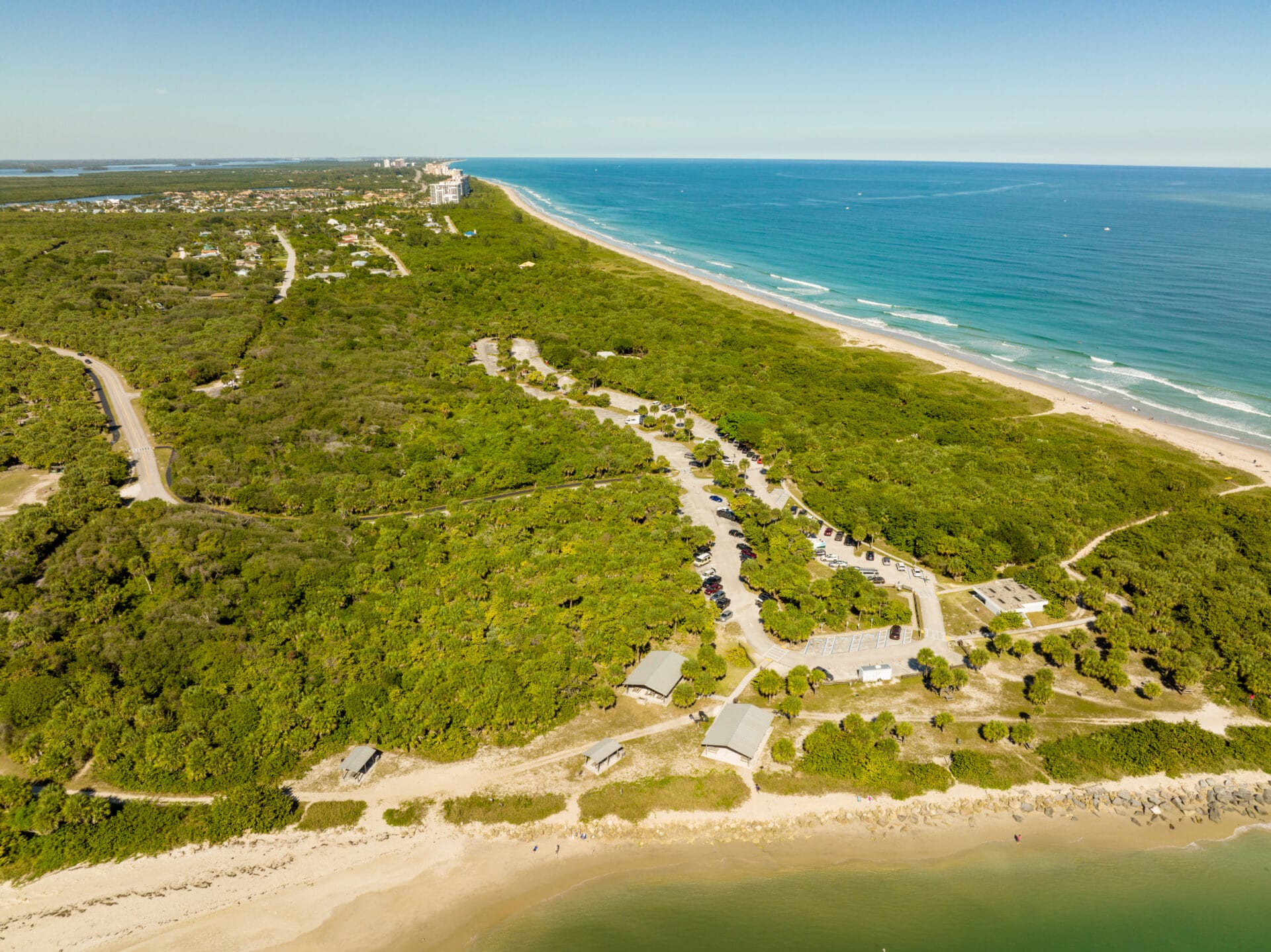
- Fort Pierce Inlet State Park features 340 acres with ocean and inlet access on North Hutchinson Island
- Offers swimming, surfing, fishing, hiking, and wildlife viewing across multiple beach zones
- Jack Island Preserve provides a rare maritime hammock habitat with boardwalk trails nearby
- Park open daily 8:00 AM to sundown every day of the year, $6 per vehicle entry fee
Primary Beach Zones and Access Points
Fort Pierce Inlet State Park encompasses distinct coastal environments along the barrier island system. The main oceanside beach provides direct Atlantic Ocean access, while the inlet side offers calmer waters and exceptional fishing opportunities.
The Jetty Park section at the southern boundary delivers year-round surfing conditions and rock fishing access. Local anglers target snook, redfish, and tarpon during seasonal migrations. The northern rock jetty extends approximately 400 feet into the Fort Pierce Inlet, creating structure that attracts baitfish and predatory species.
The park service road is the primary vehicle entrance from North Beach Causeway (State Road A1A). Paved parking accommodates approximately 50 vehicles in the main oceanside lot. Additional overflow parking is available near the pavilion during peak summer weekends.
📍 Location: 905 Shorewinds Drive, Fort Pierce, FL 34949
⏰ Hours: 8:00 AM to sundown, every day of the eyar
💵 Entry Fee: $6 per vehicle (2-8 people), $4 single occupant, $2 pedestrians/cyclists
🏖️ Beach Type: Natural shoreline with no development; gentle slope; rocks near the inlet
View this post on Instagram
Jack Island Preserve Trail System
Jack Island represents one of Florida’s few remaining undisturbed maritime hammock ecosystems. The state-managed preserve connects to the main park via a mangrove-lined trail accessible from the inlet parking area.
The elevated boardwalk extends 1.8 miles through red mangrove, black mangrove, and buttonwood communities. Interpretive signage identifies native plant species, including gumbo limbo, sea grape, and strangler fig.
The Florida Fish and Wildlife Conservation Commission documents frequent sightings of gopher tortoises, brown pelicans, and roseate spoonbills along this corridor.
Kayakers launching from the Fort Pierce Inlet can paddle the interior channels during high tide. Navigation requires attention to tidal flow, as outgoing tides create strong currents near the inlet mouth. Local paddlers recommend exploring the mangrove tunnels two hours before or after high tide.
🥾 Trail Length: 1.8 miles (boardwalk)
🦅 Wildlife: Gopher tortoises, West Indian manatees (winter), over 150 bird species
🌊 Kayak Access: Launch from inlet beach, best at mid to high tide
📱 Cell Service: Limited coverage in the preserve interior

Surfing & Wave Conditions
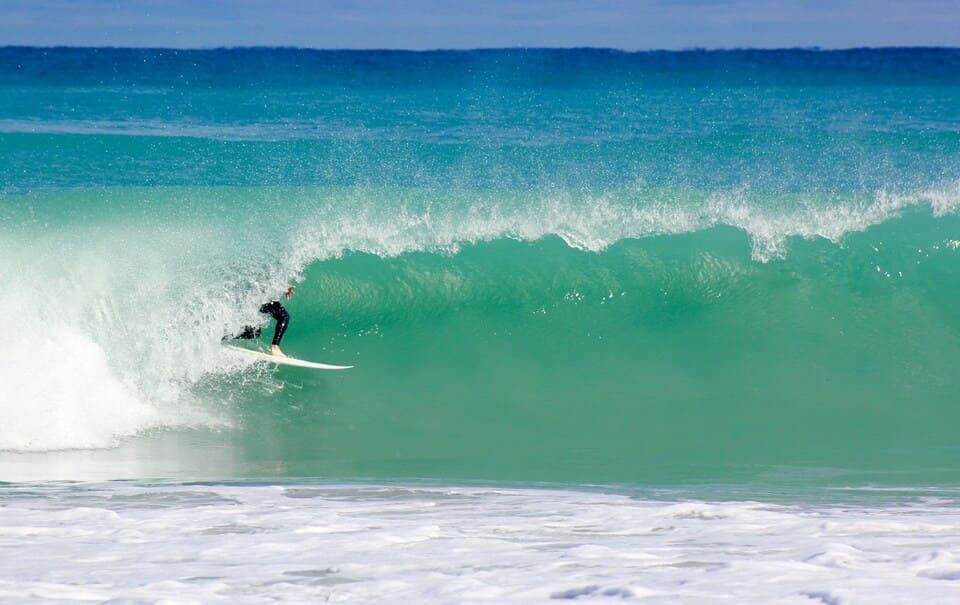
Fort Pierce Inlet beach produces the most consistent surf breaks in St. Lucie County. The south jetty generates rideable waves during northeast swells and northeasterly weather patterns. Wave heights typically range from two to four feet during Atlantic storm systems.
Experienced surfers target the jetty during incoming tides when the wave shape improves over the sandy bottom. The northern break near the inlet channel delivers hollow waves but requires advanced skill due to current strength and rock proximity. Local shops report that optimal conditions occur from September through March.
Beginners should focus on the mid-beach section approximately 200 yards north of the main pavilion. Sandbars shift seasonally, creating variable wave quality. Always check current forecasts through NOAA or Surfline before paddling out.
🏄 Skill Level: Intermediate to advanced near the jetty, beginner-friendly mid-beach
🌊 Best Season: September to March (northeast swell)
⚠️ Hazards: Jetty rocks, inlet current, occasional stingrays in shallows
🅿️ Nearest Parking: Main oceanside lot, 0.1 mile walk to surf
Fishing Regulations & Species
Florida Fish and Wildlife Conservation Commission regulations apply throughout the park. Saltwater fishing requires a valid Florida fishing license except for pier and shore fishing from state parks. Anglers must verify current bag limits and size restrictions before keeping any harvest.
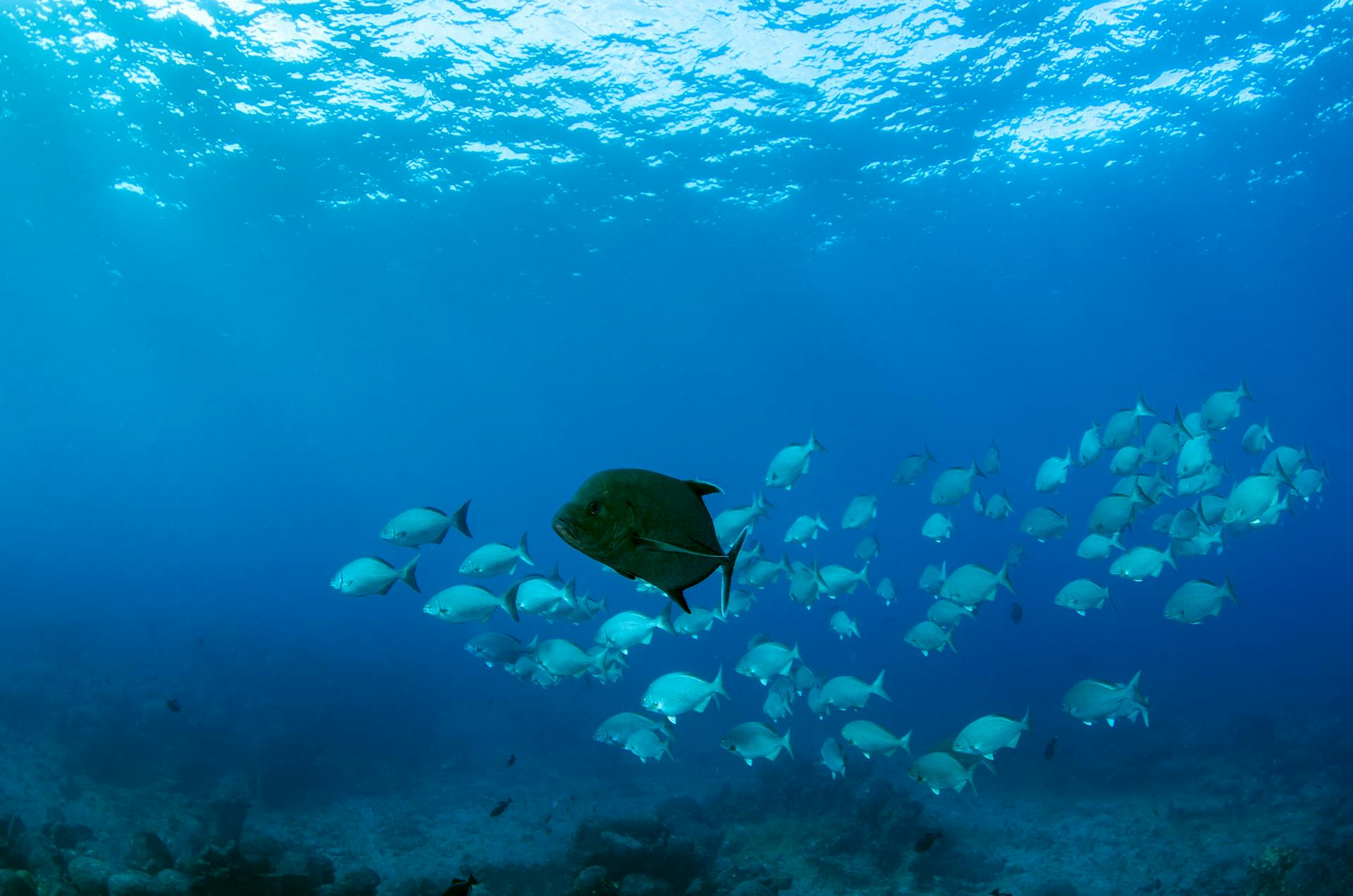
The inlet jetties produce pompano, whiting, and Spanish mackerel during spring and fall migrations. Snook fishing peaks from May through August, though harvest seasons close during spawning periods. Redfish inhabit the grass flats inside the inlet year-round.
Live shrimp and cut mullet work effectively for most species. Top-water plugs attract snook at dawn and dusk near mangrove shorelines. Local experts from Fort Pierce City Marina suggest fishing outgoing tides when baitfish concentrate in the inlet current.
🎣 Species: Snook, redfish, pompano, Spanish mackerel
🪝 Productive Baits: Live shrimp, cut mullet, DOA shrimp artificials
📋 License/Endorsements: Required for ages 16+
🌙 Best Times: Dawn and dusk during tidal movement
Beach Amenities & Facilities
Fort Pierce Inlet State Park maintains minimalist facilities consistent with natural area preservation goals. A covered pavilion with picnic tables sits adjacent to the main parking area. Restroom facilities include basic vault toilets without running water, though potable water is available at outdoor spigots.
No concessions or equipment rentals exist within park boundaries. Visitors should bring all necessary supplies, including food, beverages, sunscreen, and beach equipment. The nearest commercial services are located 2.5 miles south on North Hutchinson Island along State Road A1A.
Shaded areas are limited to the pavilion and scattered sea grape vegetation. Umbrellas and pop-up canopies provide essential sun protection during the summer months. Dogs are permitted on leash in designated areas but prohibited on swimming beaches.
🚻 Restrooms: Public toilets
🚿 Showers: Outdoor cold-water rinse station
🐕 Pet Policy: Allowed on leash in non-swimming areas
♿ Accessibility: Paved paths to the beach, accessible parking spaces available
Conservation & Environmental Considerations
The park protects critical sea turtle nesting habitat along 1.2 miles of Atlantic shoreline. Florida Fish and Wildlife Conservation Commission biologists monitor loggerhead, green, and occasional leatherback turtle nests from May through October. Beach users must avoid marked nesting areas and remove all beach equipment at day’s end.
Ghost crab populations serve as ecosystem health indicators. These nocturnal crustaceans excavate burrows throughout the upper beach zone. Avoid collapsing burrows or disturbing natural beach processes.
Treasure Coast waters support seasonal manatee populations during the winter months. Paddlers must observe slow-speed zones throughout the Indian River Lagoon system and inlet channels. Report injured or distressed wildlife to FWC at 888-404-3922.
🐢 Nesting Season: May 1 to October 31
🌊 Water Quality: Monitored by St. Lucie County Health Department
🔦 Lighting Restrictions: No flashlights on the beach during turtle nesting season
Swimming & Water Safety
Fort Pierce Inlet maintains federal navigation channels dredged to 15 feet for commercial and recreational vessels. Boat traffic through the inlet runs constantly during daylight hours.
Swim only in designated beach areas away from the active channel. Strong tidal currents sweep through the inlet on falling tides, with velocities exceeding three knots during spring tide cycles.
Water clarity varies significantly based on wind and recent rainfall. St. Lucie County beach monitoring stations test bacteria levels weekly during the summer. The Florida Department of Health issues advisories when contamination exceeds safe thresholds.
Safety Priorities
⚠️ Rip Current Risk: High near the jetty and during strong surf
🚤 Boat Traffic: Significant through inlet channel; stay in swim zones
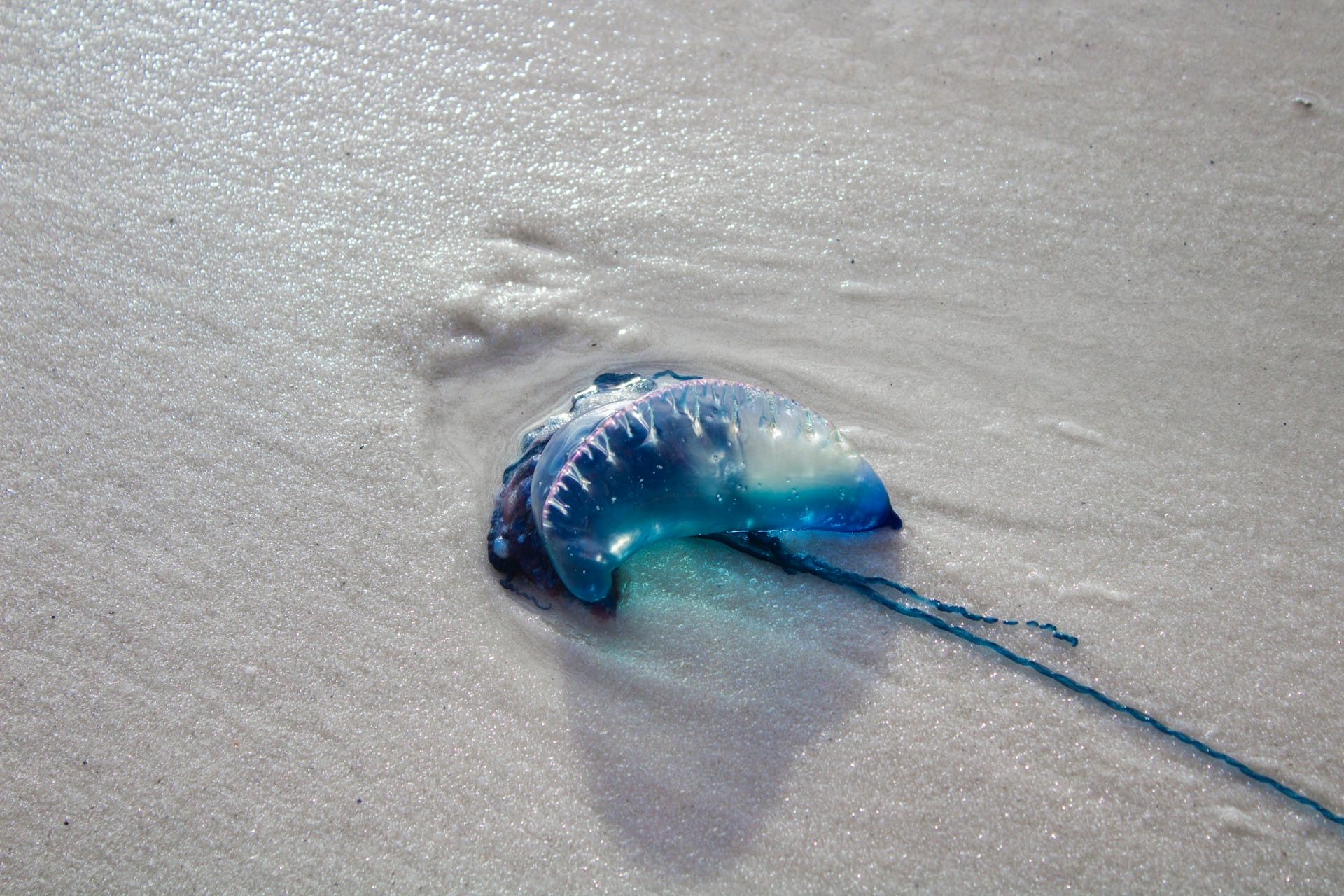
🪼 Marine Life: Portuguese man-o-war present during onshore wind periods
📱 Emergency Contact: Call 911; nearest hospital is Lawnwood Regional Medical Center (8 miles north)
Jellyfish stings increase during the summer months when the wind blows from the east for multiple consecutive days. Lifeguard stations and park offices stock vinegar for Portuguese man-o-war stings, but immediate medical evaluation is warranted for severe reactions.
FAQ: Ft. Pierce Inlet State Park
Is Fort Pierce Inlet State Park beach good for families with small children?
The main ocean beach offers gentle waves and gradual depth suitable for supervised children. The inlet side provides calmer water, but strong currents exist near the channel. Always monitor children closely and swim only in designated areas away from the jetty and inlet mouth.
What is the best time to visit Fort Pierce Inlet beach to avoid crowds?
Weekday mornings from September through April see minimal crowds. Summer weekends attract peak visitors, especially near the pavilion area. Arriving before 9:00 AM secures optimal parking and beach space during high-traffic periods.
Can you swim at Fort Pierce Inlet State Park?
Swimming is permitted along designated ocean beaches. The inlet channel itself is not recommended for swimming due to strong tidal currents, boat traffic, and submerged rocks. Lifeguards are not stationed at this park, so swim at your own risk.
What makes Jack Island Preserve special compared to other Treasure Coast trails?
Jack Island preserves a rare maritime hammock ecosystem increasingly threatened by coastal development. The boardwalk provides accessible viewing of mangrove nursery habitat critical for juvenile fish and crustacean populations. This environment represents pre-development coastal Florida, difficult to experience elsewhere on the Treasure Coast.
Are there sharks at Fort Pierce Inlet beach?
Small sharks, including bonnethead and blacktip species, inhabit nearshore waters year-round. These species pose minimal threat to swimmers. Avoid swimming near jetties at dawn or dusk when feeding activity increases. The International Shark Attack File records no serious incidents at this location in recent decades.