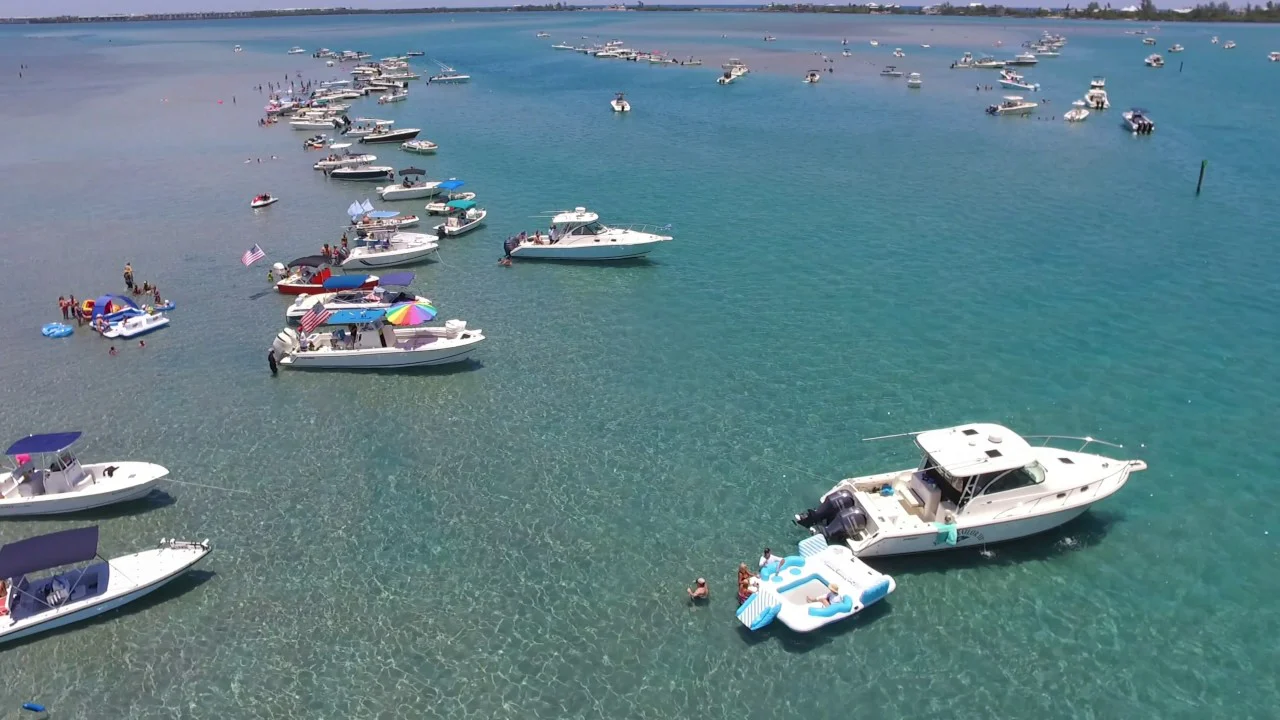
Stuart Sandbar is a natural gathering spot for boaters located in the St. Lucie River in Stuart, Florida. This shallow water destination becomes accessible when tides drop, creating a social atmosphere where boats anchor and people wade in knee-deep water. The sandbar sits along the Treasure Coast and provides a unique boating experience different from traditional beach outings.
The sandbar requires boat access only. No roads or walking paths reach this location. This exclusivity creates a floating community atmosphere that attracts both locals and visitors throughout the year.
What Makes Stuart Sandbar Special
Stuart Sandbar stands out for its convenient location near Port Salerno and Downtown Stuart. Boaters can reach the sandbar within minutes from multiple launch points. The proximity to restaurants, shops, and marine facilities makes it easy to plan a full day on the water.
The water quality at Stuart Sandbar depends on tidal flow and weather conditions. Incoming tides bring crystal-clear, “Bahamas-blue” water from the Atlantic Ocean through the St. Lucie Inlet. This creates the stunning water clarity the sandbar is famous for. Outgoing tides can bring tannic, tea-colored water from freshwater releases from Lake Okeechobee or local river runoff.
Additionally, the sandbar’s position in the St. Lucie River offers protection from ocean swells. Calmer water conditions make it suitable for families with children. The natural setting includes views of waterfront homes, the Downtown Stuart skyline, and passing marine traffic.
The Crossroads Location
Locals often refer to the Stuart Sandbar area as “The Crossroads.” This nickname reflects the unique geography where three bodies of water meet. The St. Lucie River, the Indian River Lagoon, and the St. Lucie Inlet all converge at this location.
The sandbar sits between the tip of Sewall’s Point and Sailfish Point. This precise position creates the shallow conditions that make the sandbar possible. The convergence of waterways also contributes to the diverse marine life in the area.
Understanding this geography helps boaters navigate safely. The meeting of different water bodies can create varying current patterns. Therefore, pay attention to tide and current changes throughout your visit.
Understanding Tides at Stuart Sandbar
Tides directly affect the Stuart Sandbar experience. Low tide reveals the most extensive shallow areas. Plan to arrive two to three hours before low tide for optimal conditions.
During low tide, water depth drops to ankle or knee level in many spots. This creates ideal wading conditions and expands the usable sandbar area. More space becomes available for boats to anchor and groups to spread out.
The incoming (flood) tide brings the clearest water. As the tide rises and pushes water from the Atlantic Ocean through the inlet, water clarity dramatically improves. Many boaters time their visit to enjoy both the exposed sandbar at low tide and the crystal-clear water during the incoming tide.
Furthermore, tide charts are essential for planning. Check NOAA tide predictions for the St. Lucie Inlet before your trip. Building your schedule around tides ensures you experience the sandbar at its best.
View this post on Instagram
Getting to Stuart Sandbar by Boat
Boaters access the sandbar from several public boat ramps in Stuart. Sandsprit Park provides the closest public launch with the most convenient access to the sandbar.
Sandsprit Park offers ample parking, though spaces fill quickly on weekends. Arrive early on Saturdays and Sundays to secure parking and launch access. Weekday launches typically have plenty of available space.
From Sandsprit Park, head southeast through the St. Lucie River toward the inlet. The sandbar becomes visible as you approach, marked by anchored boats on busy days. The convergence of waterways at “The Crossroads” serves as a key navigation landmark.
Navigation apps show detailed water depths and the sandbar’s location. First-time visitors benefit from these digital tools. Local marine stores also sell traditional nautical charts for the area.
Anchor carefully to protect the river bottom. This area is part of the Indian River Lagoon ecosystem, and seagrass protection is critical. Avoid areas with dark patches indicating seagrass beds. Law enforcement actively monitors for “prop scarring” (damage to seagrass from boat propellers). Sandy bottom provides secure holding without damaging the ecosystem. Ensure your anchor is set properly before leaving your boat.
Speed Zones and Manatee Protection
The area surrounding Stuart Sandbar operates as a Slow Speed/Minimum Wake zone. These restrictions protect manatees and prevent shoreline erosion. Boaters must maintain slow speeds and minimize wake when approaching or leaving the sandbar.
From November 15 to March 31, speed zones receive stricter enforcement. This period coincides with manatee migration and increased presence in local waters. Manatees are federally protected, and violations carry significant penalties.
Watch for manatees when operating your boat. These gentle animals surface to breathe and can be difficult to spot. Polarized sunglasses help identify manatees beneath the surface. If you see a manatee, maintain distance and reduce speed immediately.
Consequently, allow extra travel time when planning your trip during manatee season. The slow speed zones add time to your journey but protect critical wildlife populations.
Stuart Sandbar Layout and Atmosphere
Stuart Sandbar doesn’t have distinct “sides” like Jupiter Sandbar and other sandbars. Instead, boats anchor in a general area along the shallow stretch. The atmosphere varies based on which boats are present on any given day.
Weekends typically bring larger crowds and a more social environment. Music from various boats creates a party atmosphere. Groups move between vessels, socializing and meeting new people. This lively scene attracts adults looking for weekend entertainment.
Weekdays offer a quieter experience with fewer boats. Families often prefer weekday visits for more space and a calmer setting. The peaceful environment allows for relaxation and easier supervision of children.
The sandbar’s character changes based on the crowd. Consequently, timing your visit affects the type of experience you’ll have. Early arrivals often enjoy tranquility before afternoon crowds appear.
Activities at Stuart Sandbar
There are tons of free things to do in Stuart, and the sandbar tops the list. Wading and swimming are the primary activities. The shallow water provides safe conditions for cooling off. Families with young children appreciate the knee-deep areas where kids can play under close supervision.
Snorkeling works well near grass beds where fish gather. Visibility varies based on tides and recent weather. Incoming tides provide the best clarity for underwater viewing. Bring waterproof cameras to capture underwater scenes. Marine life includes small fish, crabs, and occasional dolphins passing through the area.
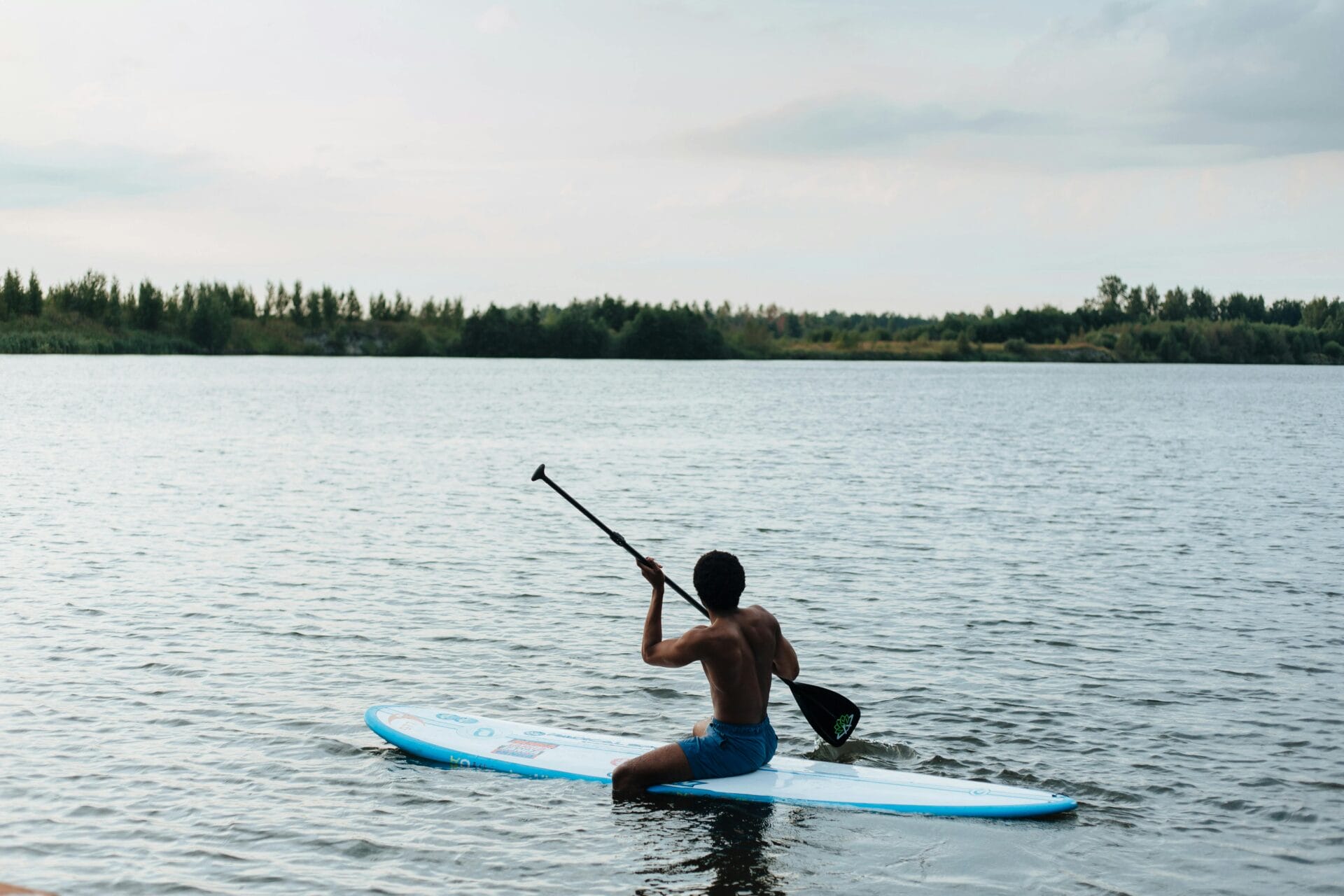
Paddleboarding and kayaking suit the protected river environment. Calm water conditions make these activities accessible for beginners. Some visitors bring inflatable toys or floating mats for leisurely drifting.
Social interaction defines the Stuart Sandbar experience for many visitors. People wade between boats to chat with neighbors. The informal atmosphere encourages making new friends. Moreover, the unique setting creates memorable social experiences different from land-based gatherings.
Beach games adapt to the sandbar environment. Floating volleyball, cornhole, and frisbee provide entertainment. Secure all toys and equipment to prevent them from drifting away with current or tide changes.
Best Times to Visit Stuart Sandbar
Weekends draw the largest crowds between March and October. Boats begin arriving late morning and peak by early afternoon. Finding good anchoring spots becomes challenging after 11 AM on Saturdays and Sundays.
Weekdays provide a dramatically different experience. Fewer boats mean more space and tranquility. Families seeking peaceful outings prefer weekday visits. You’ll have better anchoring options and less noise from neighboring boats.
Seasonal patterns affect visitor numbers significantly. Winter months (November through February) bring cooler weather and fewer visitors. Spring (March through May) offers comfortable temperatures and moderate crowds. Summer (June through August) delivers hot weather but attracts dedicated boaters despite afternoon thunderstorms.
Early morning visits reward early risers with pristine conditions. The water remains calm before afternoon breezes develop. Late afternoon provides excellent lighting for photography and opportunities to watch sunsets over Stuart.
Holiday weekends create the busiest conditions. Memorial Day, Fourth of July, and Labor Day weekends see maximum crowds. Plan accordingly or choose alternative dates for a less hectic experience.
Nearby Attractions and Amenities
Downtown Stuart sits minutes from the sandbar by boat. The historic waterfront district offers restaurants, shops, and art galleries. Many establishments provide dock space for boaters who want to grab lunch or explore on foot.
Sailor’s Return features a public dock, restrooms, and green space. Boaters can tie up temporarily to access downtown amenities. The park hosts events and provides a convenient stop during sandbar trips.
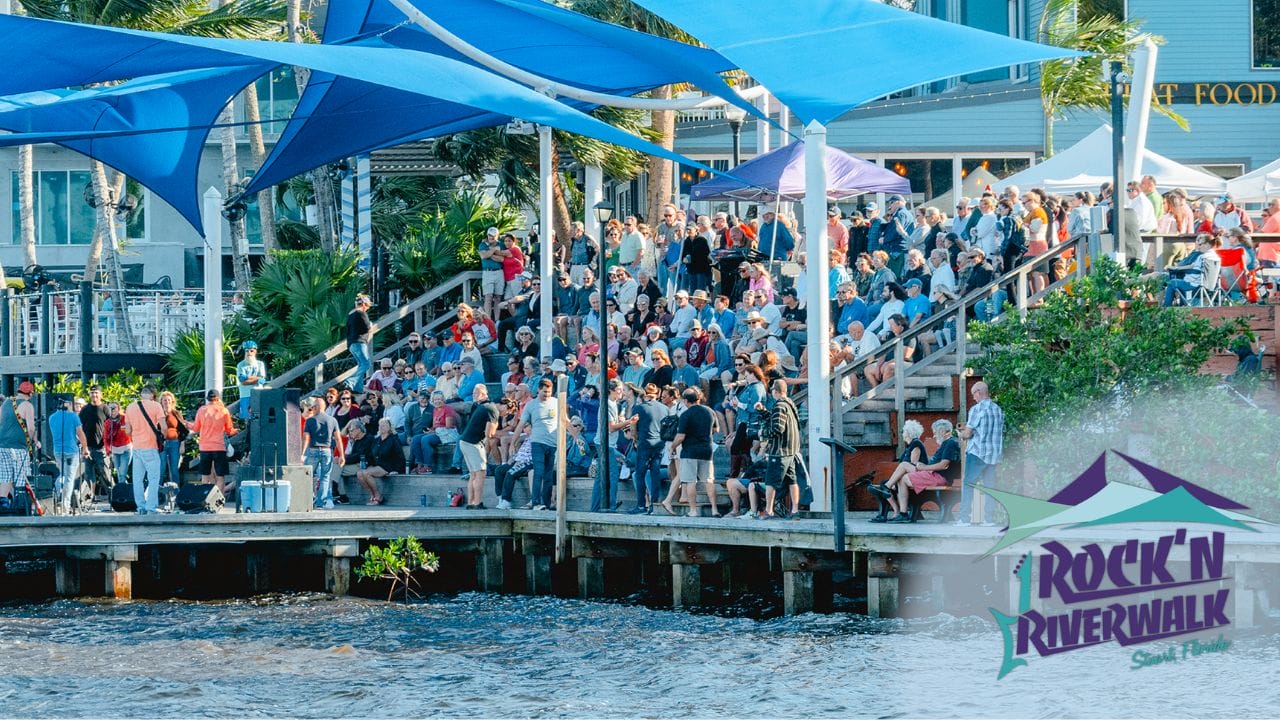
The Stuart Riverwalk extends along the St. Lucie River. This scenic walkway connects downtown to Flagler Park. Visitors enjoy views of boats and the waterfront while exploring local businesses.
Sandsprit Park offers another popular boating destination nearby. This county park includes a large boat ramp, picnic areas, and a playground. Families often combine sandbar visits with time at Sandsprit’s beach area.
Multiple waterfront restaurants welcome boaters with dedicated docking. Shrimper’s Grill & Raw Bar, The Twisted Tuna, and other establishments provide tie-up access. Dining options range from casual to upscale, catering to a variety of preferences and budgets.
Preparing for Your Sandbar Trip
Boat access is mandatory for Stuart Sandbar visits. Rent from local marinas if you don’t own a vessel. Alternatively, join friends who own boats or consider boat club memberships.
Sun protection ranks as the most critical preparation item. Pack reef-safe sunscreen with high SPF ratings. Bring wide-brimmed hats, UV-protective clothing, and polarized sunglasses. Water reflection intensifies sun exposure significantly.
Hydration supplies prevent heat-related issues. Bring at least one gallon of water per person for all-day trips. Pack extra water beyond what you think necessary. The combination of sun, salt air, and activity causes rapid dehydration.
Food and beverage planning requires thought. Use coolers with plenty of ice to keep items fresh. Pack picnic-style meals that don’t require preparation. Sandwiches, fruit, chips, and other portable foods work well on boats.
Waterproof bags protect electronics and valuables from water damage. Dry bags come in various sizes for phones, keys, wallets, and cameras. Keep important items secured and protected throughout your trip.
Comfort items enhance the experience. Bring beach towels for drying off and sitting. Portable chairs or floating loungers allow relaxation in shallow water. Inflatable toys and water sports equipment entertain children and adults.
Trash management is essential. Bring multiple garbage bags to pack out everything you bring in. Leave no trace of your visit to preserve the sandbar’s natural beauty. Dispose of trash properly at marinas or at home.
Cash provides flexibility for purchases from occasional floating vendors. Small bills work best for quick transactions on the water.
Safety Considerations
Weather monitoring is crucial for safe boating. Check forecasts before departure and watch for changing conditions throughout the day. Summer afternoon thunderstorms develop quickly in Florida. Lightning poses danger on open water.
Life jackets should be readily available for all passengers. Florida law requires one Coast Guard-approved life jacket per person on board. Children should wear jackets at all times. Weak swimmers benefit from flotation devices even in shallow water.
Alcohol consumption requires responsible management. Florida’s Boating Under the Influence (BUI) laws mirror DUI regulations. Designated boat operators should remain sober. The sun and dehydration intensify alcohol’s effects on the water.
Know your boat’s draft and the area’s water depths. Shallow spots and sandbars can cause groundings if you’re not careful. Navigation apps help identify safe passages. Reduce speed when operating in unfamiliar areas.
Marine traffic at “The Crossroads” requires attention. The convergence of three waterways creates varied boat traffic patterns. Watch for other boats, jet skis, and paddlers. Maintain safe distances and follow navigation rules. The area near the sandbar can become congested on busy weekends.
View this post on Instagram
Local Tips from Experienced Visitors
Arrive before 10 AM on weekends to secure prime anchoring positions. Early arrival also means enjoying peaceful conditions before crowds develop. Launch from Sandsprit Park early to ensure parking availability.
Bring more supplies than you initially think necessary. Extra water, food, sunscreen, and ice make extended stays more comfortable. It’s better to have surplus supplies than to cut your trip short due to shortages.
A waterproof speaker adds entertainment but requires consideration. Keep volume at reasonable levels that don’t disturb other boaters. Respect quiet hours in residential areas when arriving or departing.
Time your visit to catch both low tide for maximum sand exposure and incoming tide for the clearest water. This strategy maximizes your sandbar experience. The window between these two tidal phases offers ideal conditions.
Photography opportunities abound at Stuart Sandbar. Capture boats against the downtown Stuart skyline, sunset reflections on water, and candid moments with friends. Use waterproof cases for phones and consider action cameras for underwater shots. The crystal-clear water during incoming tides provides stunning photo opportunities.
Connect with fellow boaters for local knowledge. Regular sandbar visitors share valuable information about conditions, upcoming events, and area changes. The sandbar community welcomes newcomers with helpful advice.
FAQ: Stuart Sandbar
Where exactly is Stuart Sandbar located?
Stuart Sandbar is located between Sewall’s Point and Sailfish Point in the St. Lucie River near Stuart, Florida. The sandbar sits at “The Crossroads,” where the St. Lucie River, Indian River Lagoon, and St. Lucie Inlet converge. It is only accessible by boat and has no land access points.
What is the best time to visit Stuart Sandbar?
The best time to visit is two to three hours before low tide, when the sandbar is most exposed. Time your visit to catchthe incoming tide for the clearest, “Bahamas-blue” water from the Atlantic. Weekdays offer fewer crowds than weekends. Spring and fall provide the most comfortable weather conditions. Early morning visits provide the most peaceful experience.
Do you need a boat to get to Stuart Sandbar?
Yes, a boat is required to reach Stuart Sandbar. You can rent a boat from local marinas, join a boat club, or coordinate with friends who own vessels. Sandsprit Park provides the closest public boat ramp with convenient access to the sandbar.
Is Stuart Sandbar family-friendly?
Stuart Sandbar can be family-friendly, especially on weekdays when crowds are smaller. The shallow water allows safe play for children under supervision. Weekends tend to attract more adult groups seeking a social atmosphere. Choose your visit timing based on your group’s preferences.
Can you swim at Stuart Sandbar?
Yes, swimming is a main activity at Stuart Sandbar. The shallow water provides safe conditions for wading and swimming. Supervise children at all times and ensure weak swimmers wear life jackets. Water depth varies with tides, so check conditions before entering the water. Incoming tides provide the clearest water for swimming.
Are there facilities at Stuart Sandbar?
No permanent land-based facilities exist at Stuart Sandbar. However, the Crusty Crab floating food barge operates during peak summer weekends, selling burgers, hot dogs, and snacks. Use marina restrooms before departure and bring everything you need for the day. All trash must be packed out.
What wildlife might I see at Stuart Sandbar?
You may see dolphins, manatees, various fish species, crabs, hermit crabs, and coastal birds. Manatees are federally protected and are most common from November 15 to March 31; maintain distance and never touch or feed them. Dolphins occasionally swim through the waterways. Birds nest in nearby mangroves. Mangroves are also home to juvenile fish species, such as snook. Please respect all wildlife by observing from a distance.