At a Glance
- Protected limestone coastline with dramatic wave geysers during high tide and eastern winds
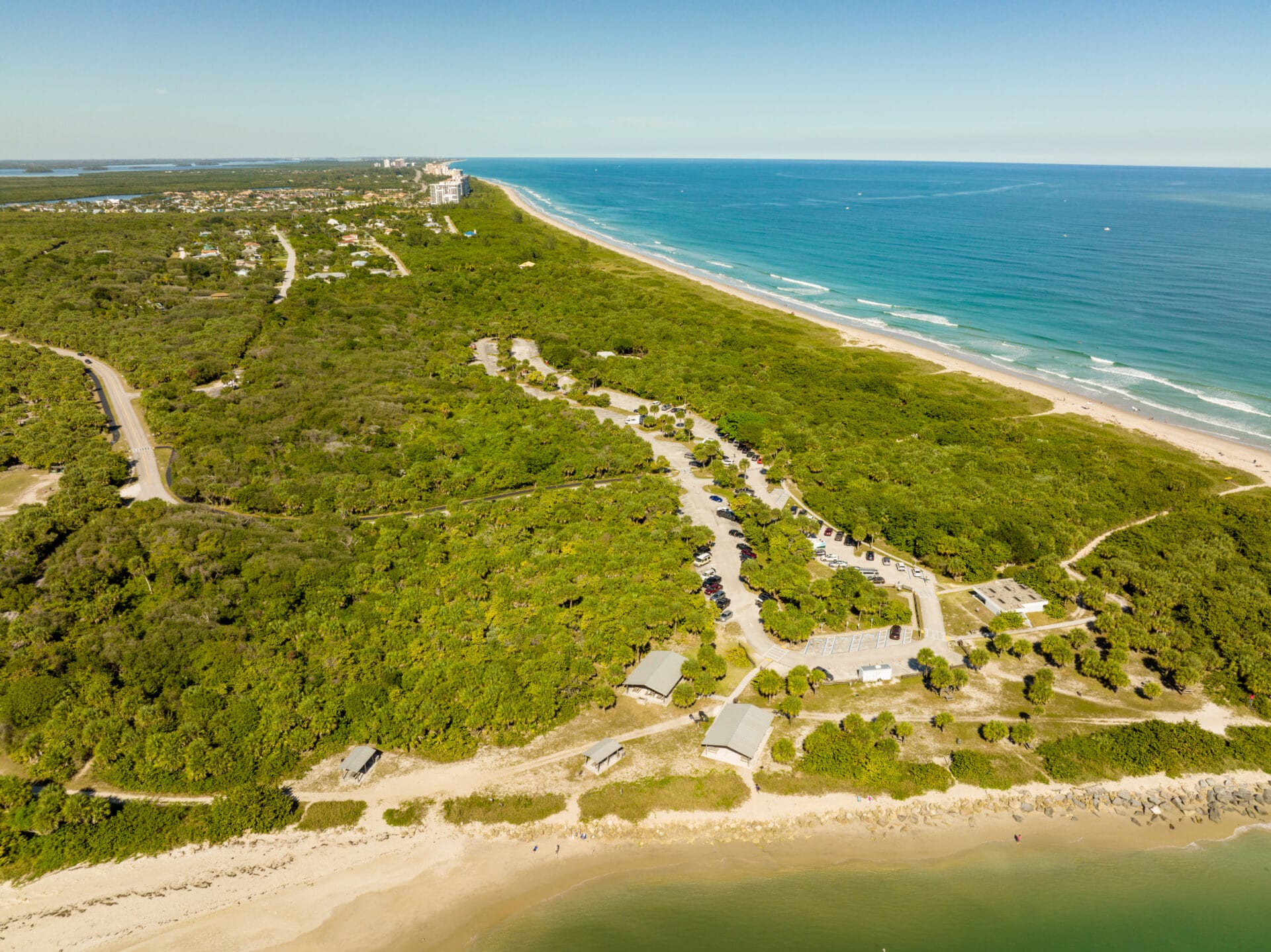
- 73 acres managed by The Nature Conservancy since 1969
- Best visited from sunrise to mid-morning for optimal lighting and smaller crowds
- Native sea turtle nesting habitat and rare coastal strand ecosystem
- $5 parking donation, dawn to dusk access
What Makes Blowing Rocks Preserve Unique
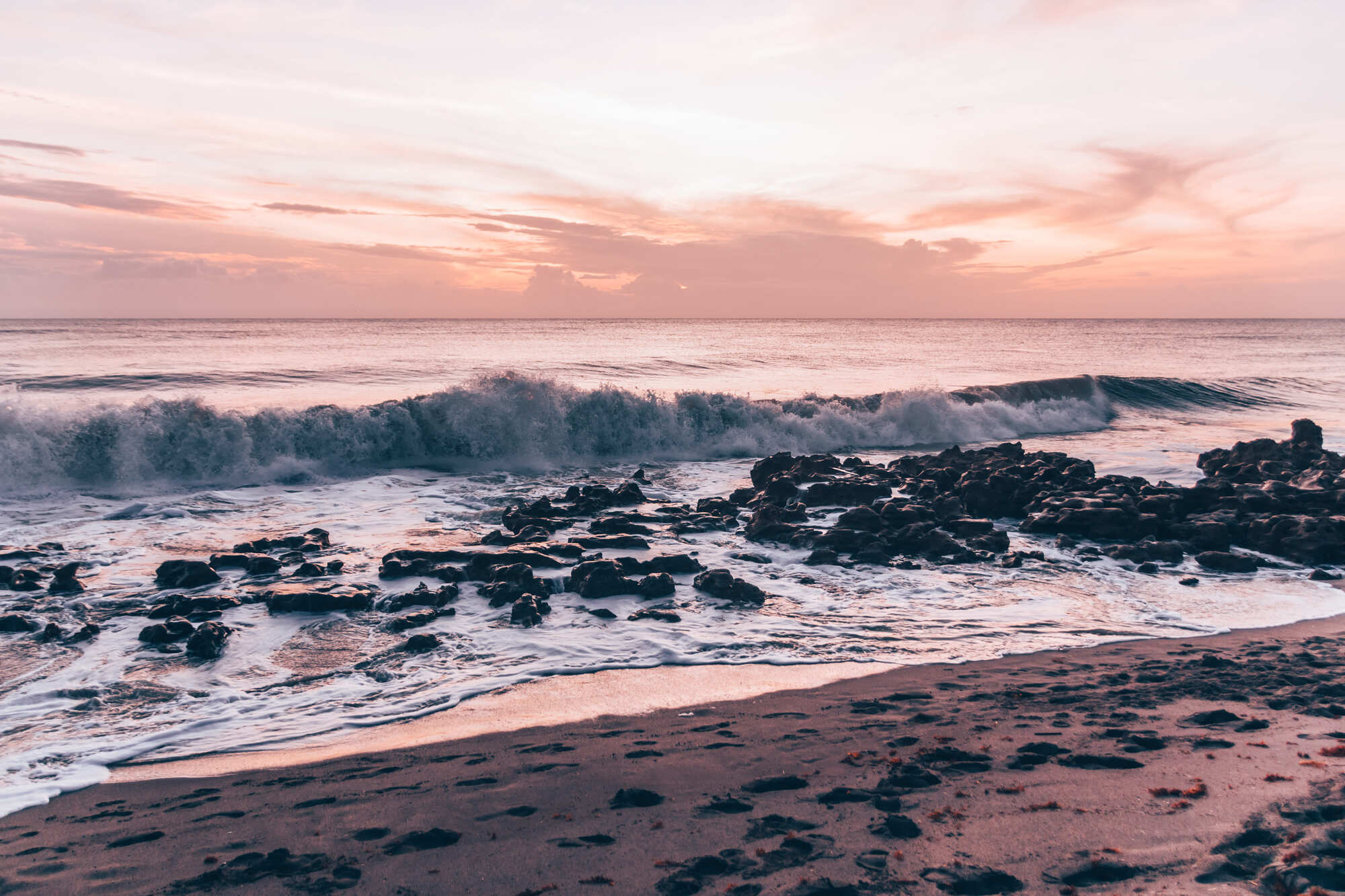
Blowing Rocks Preserve stands as the largest Anastasia limestone outcrop on Florida’s coast. This geological formation creates a natural spectacle when waves crash against the ancient rock, forcing water skyward through crevices and fissures. During nor’easters or high surf conditions, these plumes can reach heights of 50 feet, earning the preserve its distinctive name.
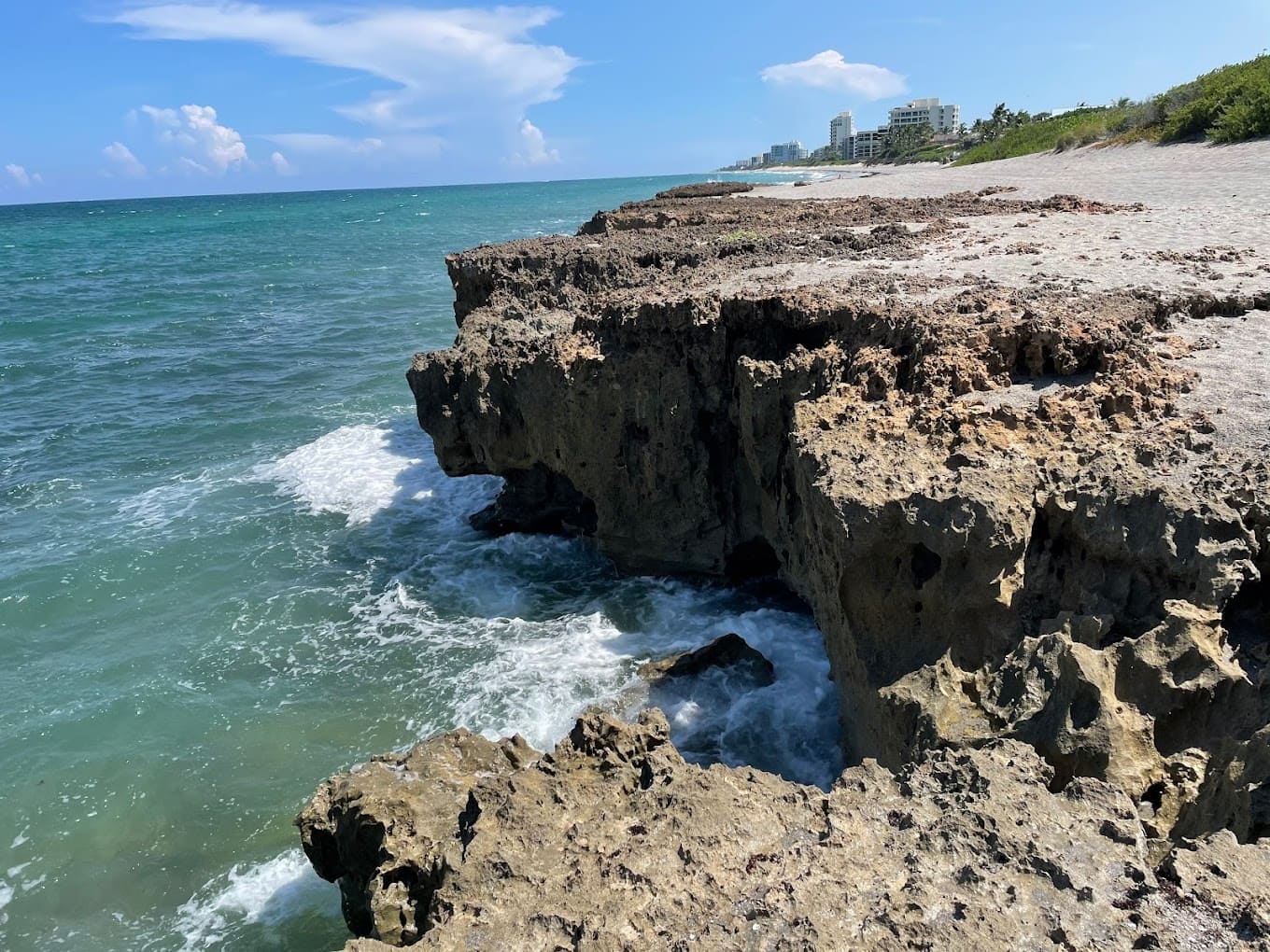
The Hobe Sound shoreline here contrasts sharply with typical Treasure Coast beaches. Instead of continuous sand, you’ll encounter exposed limestone shelves dating back 100,000 years. These fossilized dunes provide critical habitat for threatened and endangered species while offering visitors a glimpse of Old Florida’s original coastal character.
The Limestone Phenomenon
The Anastasia formation runs intermittently from St. Augustine to the northern Palm Beach County coastline. Blowing Rocks Preserve contains the most extensive and accessible section. The porous rock structure creates natural channels that amplify wave energy, producing the signature “blowing rocks” effect.
Local consensus suggests visiting within two hours of high tide when easterly winds exceed 15 knots for the most dramatic displays. The National Weather Service Miami office provides marine forecasts that help time your visit. Winter cold fronts and tropical systems generate the most impressive conditions, though these same events may temporarily close the preserve for safety.
Exploring the Preserve’s Ecosystems
Blowing Rocks Preserve beach encompasses four distinct coastal communities within its compact 73 acres. Each zone supports specialized plant and animal life adapted to harsh salt spray, sandy soils, and intense sunlight.
View this post on Instagram
Coastal Strand Community
The backshore dune system features a maritime hammock with gumbo limbo, paradise tree, and sea grape forming a wind-sculpted canopy. Native landscaping enthusiasts recognize these same species used in residential coastal gardens throughout Martin County and northern Palm Beach County. The understory includes specialized plants like beach morning glory and railroad vine that stabilize dunes while flowering year-round.
📍 Location: 574 South Beach Road, Hobe Sound, FL 33469 (South Jupiter Island)
⏰ Hours: Sunrise to sunset, seven days weekly
🎟️ Admission: $5 suggested parking donation
🦅 Wildlife Seasons: Sea turtle nesting May through October, shorebird migration peaks in March and September
Blowing Rocks Preserve Map
Mangrove Wetlands
The preserve’s western boundary transitions into red mangrove and black mangrove communities along the Intracoastal Waterway. These tidal wetlands function as nursery habitat for snook, redfish, and tarpon. Kayakers occasionally access the preserve’s backwaters through Jupiter Inlet, though no boat launch exists on-site.
The Florida Fish and Wildlife Conservation Commission monitors game fish populations here as part of broader Indian River Lagoon health assessments. Water quality remains notably higher than degraded sections farther north, partly due to tidal flushing through nearby inlets.
Sea Turtle Conservation Hub
Blowing Rocks Preserve hosts one of Florida’s densest loggerhead sea turtle nesting concentrations. During peak season, trained volunteers with Loggerhead Marinelife Center document 40 to 60 nests within the preserve boundaries. Leatherback, green, and occasionally hawksbill turtles also nest along this stretch.
The Nature Conservancy staff implement strict lighting protocols to prevent hatchling disorientation. Preserve rules prohibit visitors after dark during nesting season. Morning beachgoers frequently encounter nest markers and protective cages installed to deter predators.
Local experts emphasize the preserve’s role in genetic diversity for regional sea turtle populations. The limestone substrate creates unique thermal properties that influence sand temperature and hatchling sex ratios, a factor increasingly important as climate change affects other nesting beaches.
Practical Visitor Information
Parking capacity limits preserve attendance to roughly 50 vehicles. The small shell rock lot fills rapidly on weekends between November and April when seasonal residents return to Jupiter Island. Regulars suggest arriving before 8:00 AM or after 3:00 PM to secure spaces.
The preserve maintains a primitive character with minimal facilities. No restrooms, picnic shelters, or concessions exist on-site. The nearest services are located four miles south in Jupiter proper along U.S. Highway 1.
Trail System
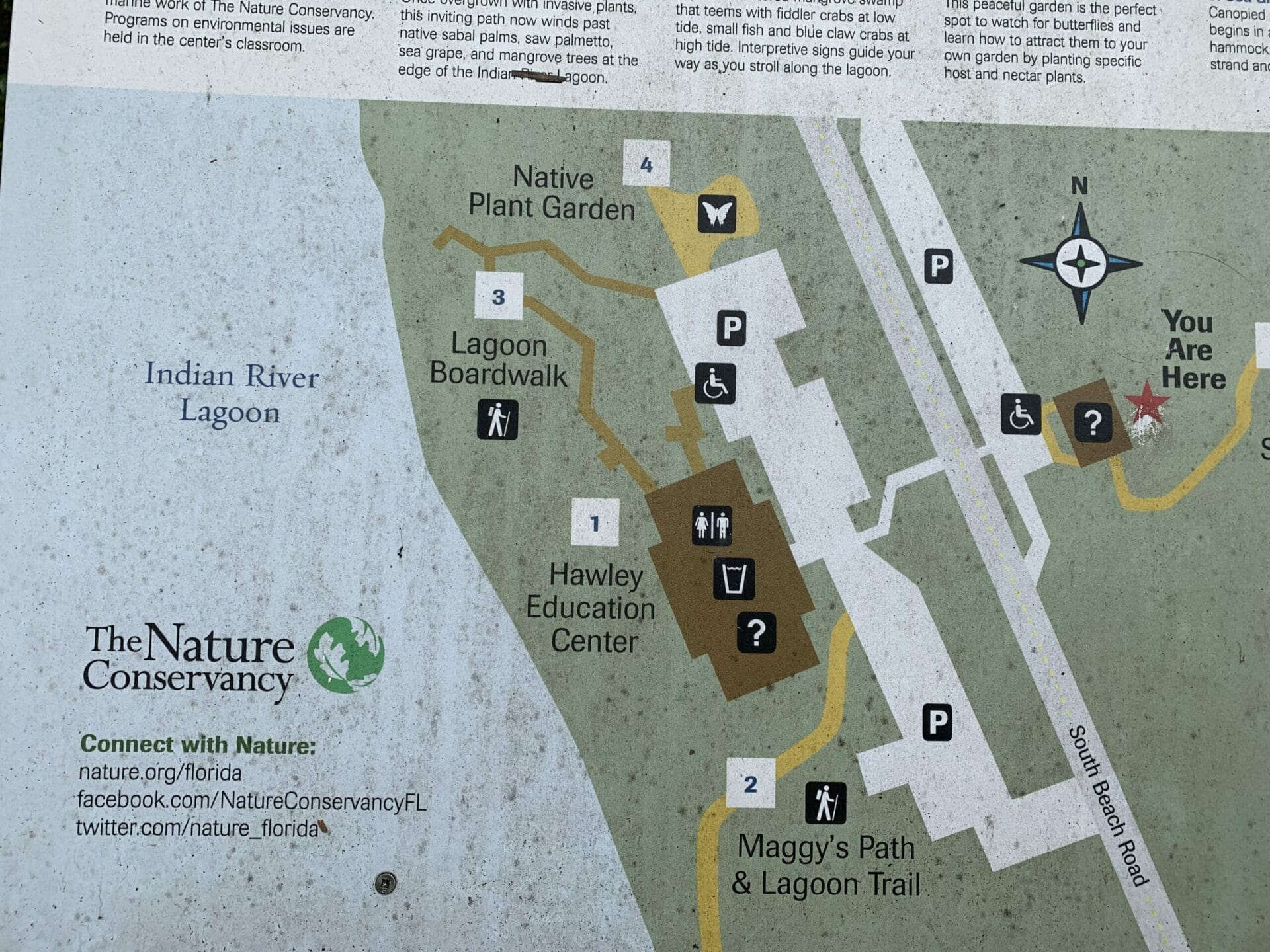
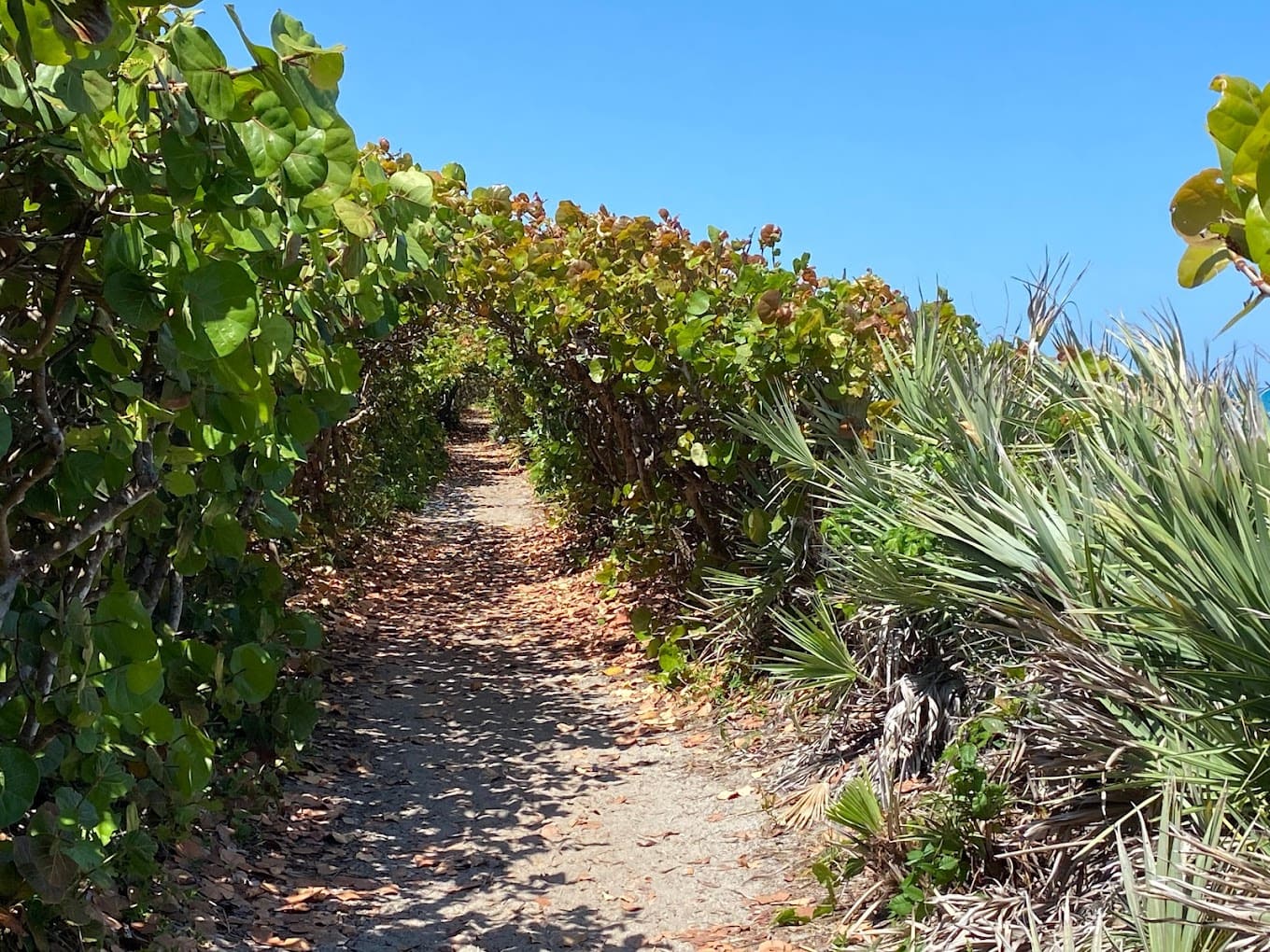
A 0.3-mile Blowing Rocks Preserve boardwalk connects the parking area to the beach. This elevated pathway protects fragile dune vegetation while providing interpretive signage about coastal ecology. The crushed shell surface accommodates strollers and wheelchairs, though loose sand at beach access points challenges mobility devices.
An additional 0.5-mile nature trail loops through the maritime hammock. This unpaved path showcases native plant communities and offers shaded walking during summer heat. The trail remains open during sea turtle season since it avoids nesting areas.
🏖️ Beach Length: 1.1 miles of protected shoreline
🌊 Surf Conditions: Typically 1 to 3 feet, rocky bottom not suitable for swimming
♿ Accessibility: Boardwalk ADA-compliant, beach and nature trail unimproved
🐕 Pet Policy: No dogs allowed to protect wildlife
Photography and Natural History
Blowing Rocks Preserve attracts serious landscape and wildlife photographers year-round. The limestone formations provide compelling foregrounds for sunrise compositions. During September and October, monarch butterflies concentrate in the maritime hammock during their southern migration, creating macro photography opportunities.
The preserve’s exposed geology reveals coquina shell layers and fossilized coral fragments embedded in limestone matrices. Amateur paleontologists appreciate this accessible example of Pleistocene-era reef systems. Florida Atlantic University researchers occasionally conduct fieldwork here studying coastal geomorphology and paleoclimate indicators.
Conservation Context
The Nature Conservancy acquired Blowing Rocks Preserve in 1969 as its first Florida coastal protection project. The organization manages approximately 100 preserves statewide, but this property remains among the most ecologically significant for its intact coastal strand and active conservation programs.
Development pressure on Jupiter Island intensified dramatically since the 1960s. The preserve now functions as a critical wildlife corridor connecting Hobe Sound National Wildlife Refuge to the north with fragmented habitat patches southward. Regional conservation planning identifies this linkage as essential for species like gopher tortoises, beach mice, and migratory songbirds.
Palm Beach County and Martin County environmental departments reference the preserve in coastal management plans as a model for natural shoreline stabilization. Unlike seawalls and beach renourishment projects, the limestone outcrop dissipates wave energy while maintaining habitat value.
Seasonal Considerations
Summer visits involve intense heat, humidity, and afternoon thunderstorms typical of South Florida’s wet season. The beach offers little shade, making early morning excursions essential. Sea turtle nesting activity peaks in June and July, with nightly crawls visible the following morning.
Winter provides comfortable temperatures and optimal conditions for the blowing rocks spectacle. Cold fronts generate northeastern swells that produce the most dramatic water displays. However, these same weather patterns can temporarily close the preserve when surf becomes hazardous.
Spring and fall shoulder seasons offer moderate weather with fewer crowds. Shorebird diversity peaks during March through April, northbound migration and September through October southbound movements. Audubon Florida lists the preserve as a significant stopover site for threatened species including red knots and piping plovers.
Frequently Asked Questions
Question: When do the blowing rocks phenomenon occur?
Answer: The most dramatic displays happen during high tide combined with easterly winds exceeding 15 knots, typically during winter cold fronts, tropical systems, or nor’easters. Check tide charts and marine forecasts through the National Weather Service before visiting.
Question: Can you swim at Blowing Rocks Preserve beach?
Answer: Swimming is not recommended due to exposed limestone shelves, strong currents, and lack of lifeguards. The rocky bottom creates hazardous conditions even in calm surf. The preserve is designed for nature observation rather than beach recreation, but swimming is possible in some areas of the beach.
Question: Are there guided tours available?
Answer: The Nature Conservancy occasionally offers educational programs and guided walks, typically advertised through their website and social media channels. Most visitors explore independently using interpretive signage along the boardwalk and trail system.
Question: What wildlife might I see during a visit?
Answer: Sea turtle nesting evidence May through October, shorebirds year-round with peak diversity during spring and fall migration, gopher tortoises in upland areas, and various wading birds in mangrove sections. Manatees occasionally appear in nearshore waters during warmer months.
Question: How does Blowing Rocks Preserve differ from typical Florida beaches?
Answer: Unlike sandy recreational beaches, this preserve protects a rare limestone outcrop ecosystem with minimal facilities and a focus on conservation. Visitors experience natural coastal processes without development, offering educational value and unique geological features not found at conventional beach parks.