At a Glance
Pack lightweight, breathable fabrics for Florida’s heat and humidity. Bring at least two swimsuits so one dries while the other is in use. Sunscreen, bug spray, and a reusable water bottle are essentials on the Treasure Coast. Layer for aggressive indoor air conditioning. A compact rain poncho works better than an umbrella for Florida’s afternoon storms.
Why Florida Packing Requires Different Planning
A packing list for Florida requires more preparation than a standard vacation checklist. Florida’s climate produces high humidity, intense sun, and sharp temperature swings between outdoor heat and indoor air conditioning. Standard vacation gear from cooler climates does not perform well in these conditions.
The Treasure Coast covers Martin County, St. Lucie County, Indian River County, and Okeechobee County. Visitors face a combination of intense sun, saltwater, freshwater lagoons, and subtropical heat. The packing list needs to account for beach days, boat trips, nature preserves, and casual waterfront dining across the same week.
Clothing Essentials
Tops and Layers
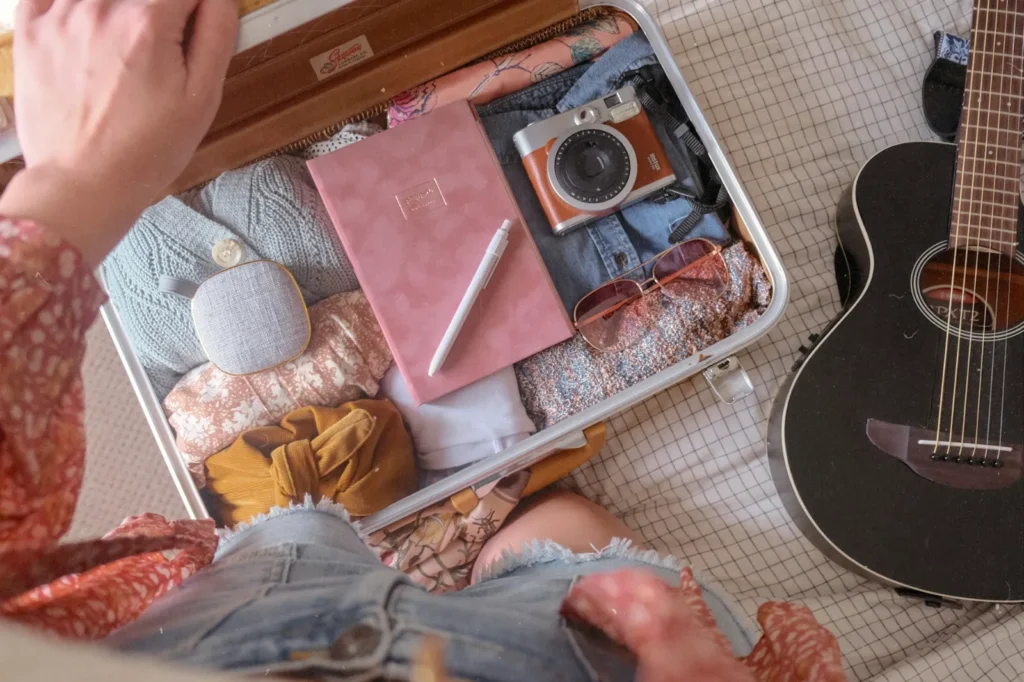
Florida outdoor temperatures demand breathable fabrics. Florida indoor temperatures demand layers. Hotels, restaurants, and shopping centers throughout Jensen Beach, Stuart, and Fort Pierce operate air conditioning at aggressive levels. Pack with both extremes in mind.
- 2 to 3 tank tops for outdoor activities, beach walks, and casual dining
- 2 to 3 T-shirts or lightweight blouses for both outdoor adventures and evenings out
- 1 light cardigan or zip-up hoodie for over-air-conditioned restaurants and hotel lobbies
- 1 light denim or linen button-up as a sun cover and layering piece
- 1 to 2 sundresses that work as beachwear, cover-up, and evening outfit
Bottoms
Heavy denim and thick fabrics trap heat and humidity. Even January visits require lightweight options for daytime highs that regularly reach the 80s.
- 2 pairs of shorts, including one casual pair and one athletic pair for nature trails at Jonathan Dickinson State Park or kayaking on the St. Lucie River
- 1 pair of lightweight pants or linen trousers for evenings out and boat trips
- 1 pair of jeans for cooler winter visits or unexpected cold snaps, especially for inland travel toward Okeechobee
Swimwear
Water access dominates the Treasure Coast. Beaches like Bathtub Reef Beach in Stuart, the Indian River Lagoon, and freshwater swimming spots put visitors in and out of the water throughout the day.
- 2 to 3 swimsuits minimum, allowing one suit to dry fully while another is worn
- At least one secure, activity-ready suit for kayaking, paddleboarding, or exploring Hobe Sound National Wildlife Refuge. A one-piece or secure bikini prevents shifting during active water sports
- 1 to 2 swim cover-ups for transitioning from the beach to waterfront restaurants without changing
Footwear
Feet face sand, saltwater, wet pavement, boat decks, and restaurant floors within the same day. Shoe selection determines comfort throughout the trip.
- 1 pair of comfortable walking sandals with arch support for downtown Stuart and the Riverwalk
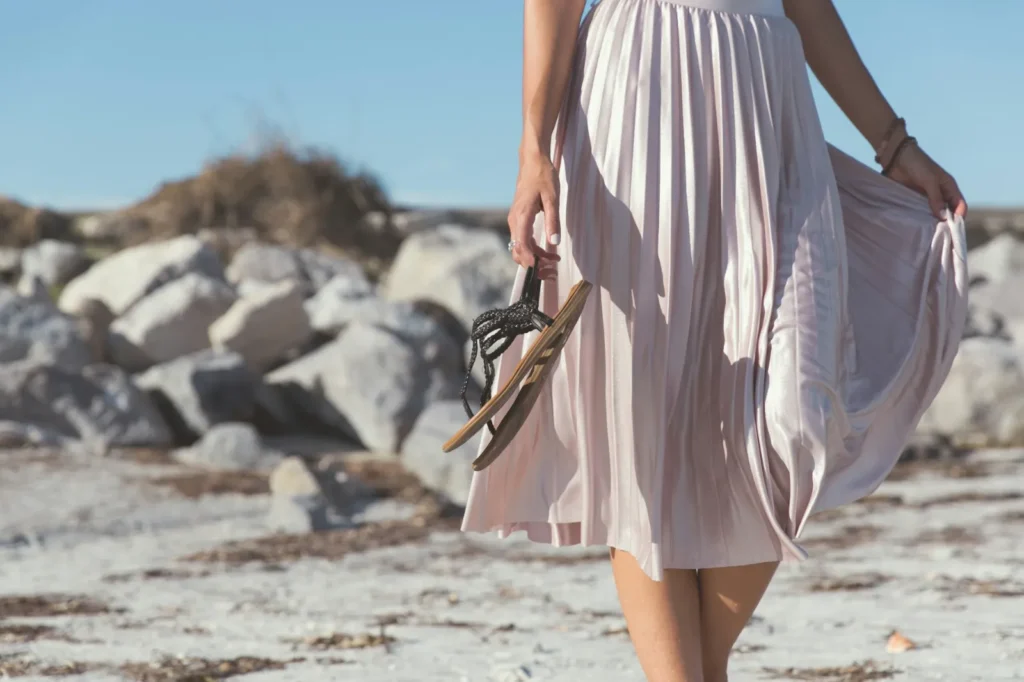
- 1 pair of flip flops for the beach, pool deck, and quick errands
- 1 pair of closed-toe walking or athletic shoes for nature trails, kayak launches, and day trips
- Water shoes for rocky beach entries, oyster beds, and lagoon launches common throughout the region
Sun Protection
Florida sun differs from sun in other climates. The UV index along the Treasure Coast regularly reaches extreme levels between May and September. Sunburn can occur in under 20 minutes on a clear beach day.
Sunscreen Strategy
Bring more sunscreen than the trip appears to require. Beach-adjacent shops charge premium prices and may not stock preferred SPF levels or reef-safe formulas. Reef-safe sunscreen is particularly important for snorkeling near St. Lucie Inlet Preserve State Park or swimming in the Indian River Lagoon, which is one of the most biodiverse estuaries in North America.
- SPF 50 or higher for face and body
- Separate SPF lip balm, which is easy to forget and prone to burning
- Spray sunscreen for hard-to-reach areas when traveling alone
- Daily moisturizer with SPF for low-sun periods like morning walks
Physical Sun Protection
Sunscreen alone does not provide sufficient protection during extended outdoor time. Physical barriers reduce cumulative UV exposure.
- 1 wide-brim beach hat for protecting the face, ears, and neck
- Quality UV-blocking sunglasses to reduce glare and eye fatigue from water reflection
- 1 SPF rash guard or long-sleeve UV shirt for water activities where sunscreen reapplication is difficult
Bug Protection and Weather Preparedness
Bug Repellent
Aggressive mosquitoes and no-see-ums populate the Treasure Coast, particularly near mangroves, tidal areas, and inland zones around Lake Okeechobee. The Florida Fish and Wildlife Conservation Commission (FWC) monitors mosquito control zones throughout the region. Bug spray is essential for outdoor time after sunset or near freshwater.
- DEET-based repellent for protection near freshwater and marshland
- DEET-free options for daily use and use around children
- Anti-itch cream for treating bites when prevention fails
Rain Gear
Florida’s afternoon thunderstorm season runs from May through October. According to the National Weather Service Melbourne office, which forecasts for the Treasure Coast, these storms arrive quickly, drop heavy rain, and typically clear within an hour.
- A compact packable rain poncho, more practical than an umbrella for outdoor and boat activities
- A waterproof phone case or dry bag for protecting devices during sudden downpours
- Quick-dry fabrics including linen and synthetic blends, which dry faster than heavy cotton
Toiletries and Health Essentials
Core Toiletries
Travel-friendly sizes work for short trips. For stays of a week or longer, buying larger sizes locally saves luggage space. Pharmacies and grocery stores operate in Stuart, Port St. Lucie, Vero Beach, and Fort Pierce for restocking.
- Toothbrush and toothpaste
- Hairbrush and hair ties for managing humidity effects
- Razor and shaving products
- Feminine hygiene products
- Moisturizer for skin dried by saltwater and sun
- After-sun lotion or aloe vera gel for sunburn relief
- Deodorant, ideally clinical strength for humidity
Medications and First Aid
Pack a compact first aid kit rather than depending on finding supplies during activities or in remote nature preserves.
- Pain reliever such as ibuprofen or acetaminophen
- Antihistamine for bug bites and allergies
- Motion sickness medication for boat trips on the Atlantic Ocean or Intracoastal Waterway
- Bandages and antiseptic wipes
- Prescription medications in original labeled containers
Beach and Activity Gear
Beach Day Essentials
Treasure Coast beaches including Jensen Beach, Fort Pierce Inlet State Park, and Vero Beach are wide, natural, and less crowded than South Florida beaches. A complete beach setup improves the full-day experience.
- Large beach bag or tote for sunscreen, snacks, and change of clothes
- Beach towel or compact quick-dry towel, since not all hotels supply them
- Reusable insulated water bottle for hydration in Florida heat
- Waterproof sandals or water shoes for rocky beach entries and lagoon launches
- Small waterproof bag or pouch for phone, cards, and keys during water activities
Activity-Specific Additions
Certain Treasure Coast activities require additional gear beyond standard beach items.
- For kayaking or paddleboarding: dry bag, water shoes, and rash guard
- For fishing: polarized sunglasses to reduce water surface glare
- For nature trails: athletic shoes, long socks to prevent bug bites, and lightweight long pants for overgrown areas
- For wildlife watching at Pelican Island National Wildlife Refuge, the first national wildlife refuge established in the United States: binoculars and a camera with zoom lens
Travel Documents and Practical Items
Store all documents and practical items in one organized pouch to prevent losing them at the hotel.
- Photo ID or passport for flying or taking a cruise
- Hotel booking confirmations and travel itinerary
- Credit cards and cash for beach vendors and cash-only establishments
- Cell phone and charger
- Portable power bank for full-day outings
- Headphones for beach and pool relaxation
- Pen and small notebook for recommendations from locals
What to Leave at Home
Strategic packing includes excluding items that will not perform well in Florida conditions.
- Heavy denim jackets or thick coats, since Treasure Coast temperatures rarely dip below 50 degrees
- Multiple formal outfits, because waterfront dining culture on the Treasure Coast leans casual
- Non-waterproof makeup, which humidity and saltwater will defeat within an hour
- Expensive jewelry and accessories that would be difficult to replace if lost to the ocean
Packing Tips Specific to the Treasure Coast
The Treasure Coast operates on a different pace than Miami, Orlando, or Tampa. Life centers on the water, wildlife, and outdoor recreation.
The Indian River Lagoon borders much of the region and supports one of North America’s most biodiverse estuaries. According to the Indian River Lagoon Council, the estuary stretches 156 miles along Florida’s east coast and contains more than 4,300 species of plants and animals. Visitors kayaking, fishing, or boating on the lagoon should use reef-safe sunscreen and bug protection to preserve the ecosystem.
Inland areas of Okeechobee County shift toward rural agricultural landscapes. Mosquito populations increase near Lake Okeechobee, and sun exposure intensifies without tree cover. Additional bug spray and sun protection are necessary for inland travel.
Frequently Asked Questions
What is the most important thing to pack for a Florida beach vacation?
Sunscreen with SPF 50 or higher is the most critical item. Florida UV levels reach extreme readings year-round, and sunburn happens quickly. Pack more sunscreen than the trip appears to require and reapply every 90 minutes when outdoors.
How many swimsuits should be packed for a Florida trip?
Pack at least two swimsuits, with three recommended for week-long trips. Rotating suits allows one to dry fully while another is worn. Active water sports like kayaking or paddleboarding require at least one suit with secure coverage that will not shift during movement.
Is a jacket necessary for Florida in winter?
Yes, though a lightweight option is sufficient. Treasure Coast winter temperatures can range from the 40s during a cold snap to the upper 80s within the same week. A packable fleece or light cardigan handles both rare cold days and consistently over-air-conditioned indoor spaces.
Is bug spray necessary on the Treasure Coast?
Yes. Mosquitoes and no-see-ums populate mangroves, tidal areas, and inland waterways, particularly around Lake Okeechobee and the Indian River Lagoon. Bug spray is essential for outdoor time after sunset or near freshwater, even during dry season.
What shoes work best for a Florida beach vacation?
A combination of comfortable walking sandals with arch support, flip flops for beach and pool, and one pair of closed-toe athletic shoes for nature trails covers most situations. Water shoes are recommended for rocky beach entries and kayak launches common throughout the Treasure Coast.
Is reef-safe sunscreen required in Florida?
Reef-safe sunscreen is not required by Florida state law, but it is strongly recommended when swimming or snorkeling near coral reefs, seagrass beds, and estuary systems including the Indian River Lagoon. Products without oxybenzone and octinoxate cause less damage to marine ecosystems.