At a Glance: Treasure Coast Wildlife & Ecosystems
The Treasure Coast supports four major habitats. The Indian River Lagoon hosts manatees, wading birds, and game fish. Coastal beaches shelter nesting sea turtles and shorebirds. Pine flatwoods and hammocks support panthers, bobcats, and raptors. Florida scrub habitats harbor endemic species found nowhere else on Earth.
Coastal and Beach Ecosystems
Green Sea Turtle (Chelonia mydas)
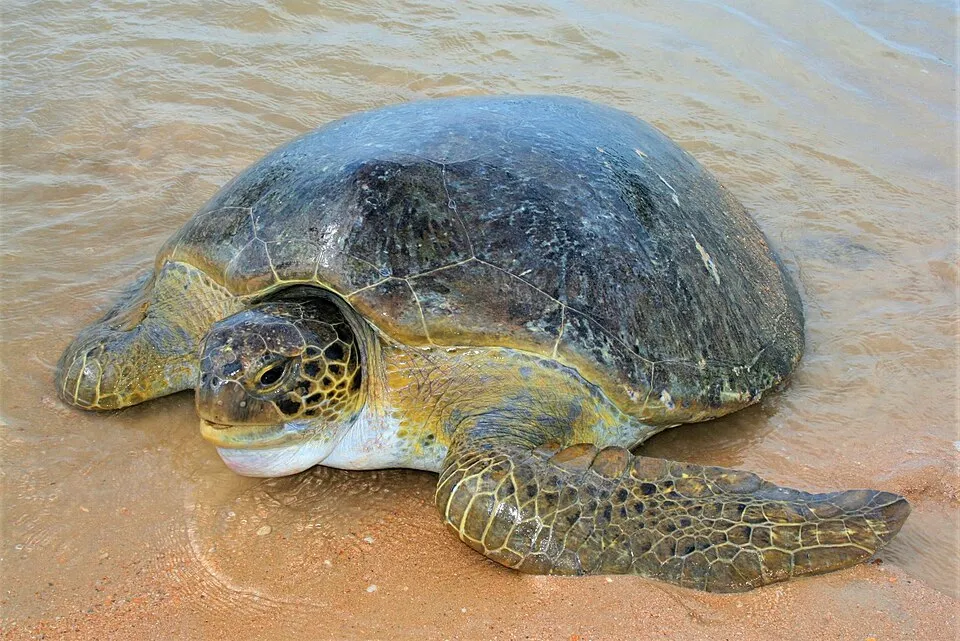
Primary Habitat: Atlantic coastal waters and seagrass beds.
Local Status: Federally threatened.
The Green Sea Turtle nests on Treasure Coast beaches in smaller numbers than loggerheads but has shown increasing nesting counts over the past two decades. Adults feed primarily on seagrasses in the Indian River Lagoon. Beachgoers should never disturb nesting females or marked nests.
Loggerhead Sea Turtle (Caretta caretta)
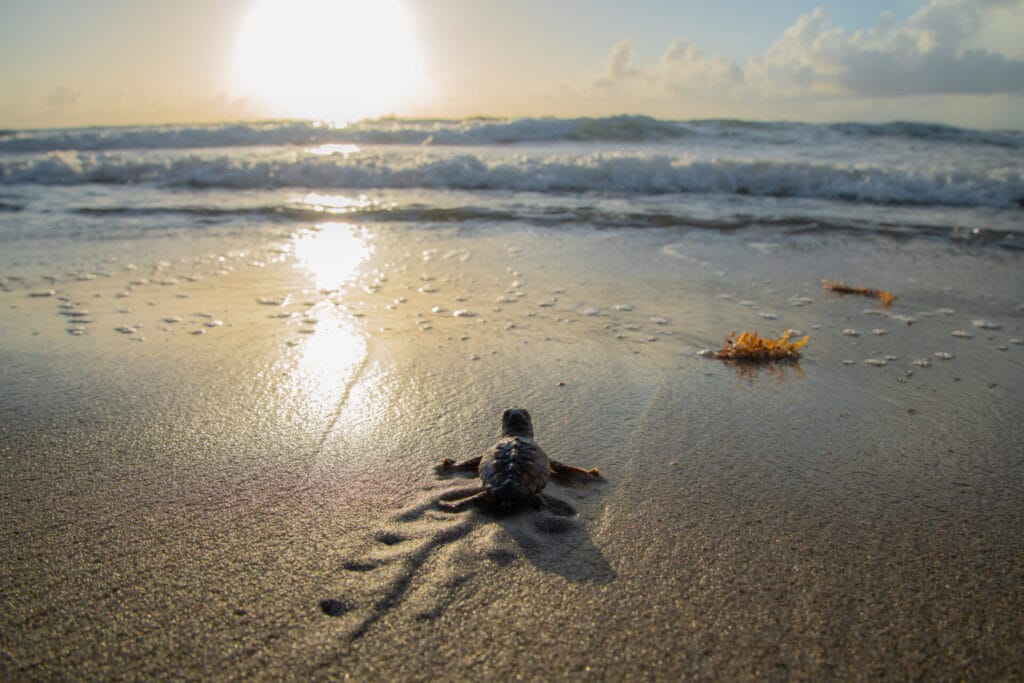
Primary Habitat: Atlantic beaches from Hobe Sound to Vero Beach.
Local Status: Federally threatened; most common nesting species.
The Loggerhead Sea Turtle nests on Treasure Coast beaches from May through October, with peak activity in June and July. Female loggerheads return to the same beach where they hatched to lay eggs. The Florida Fish and Wildlife Conservation Commission (FWC) tracks nesting along this stretch as one of the densest loggerhead nesting areas in the Western Hemisphere.
Leatherback Sea Turtle (Dermochelys coriacea)
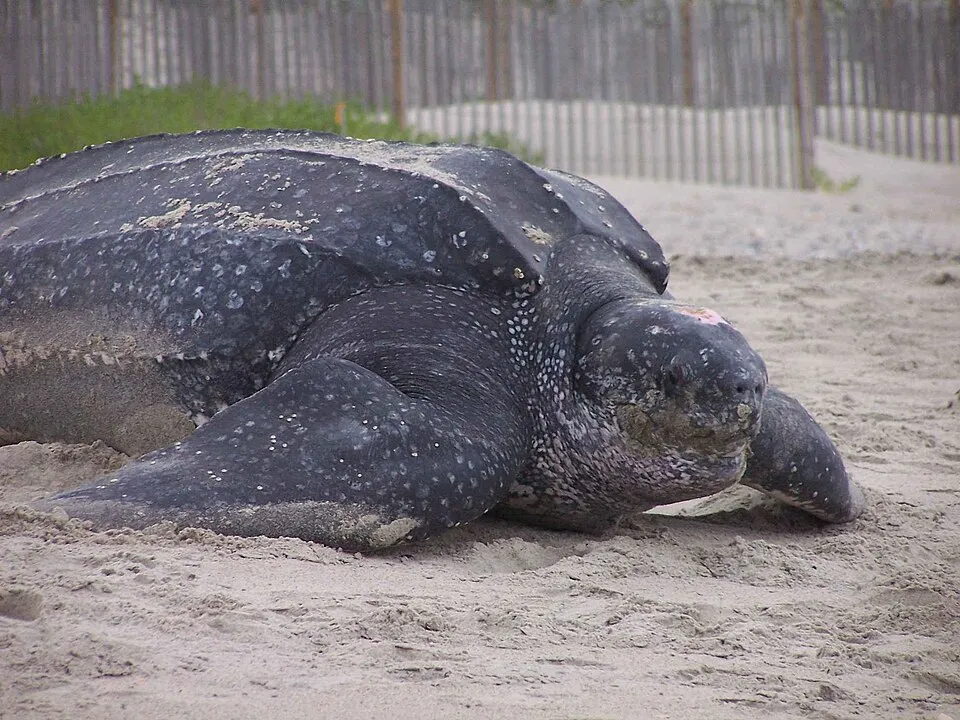
Primary Habitat: Open Atlantic waters; nests on sandy beaches.
Local Status: Federally endangered; the largest sea turtle species.
The Leatherback Sea Turtle is the largest sea turtle in the world, with adults weighing up to 1,500 pounds. Leatherbacks nest on Treasure Coast beaches from March through July. They feed almost exclusively on jellyfish and play a critical role in controlling jellyfish populations.
Brown Pelican (Pelecanus occidentalis)
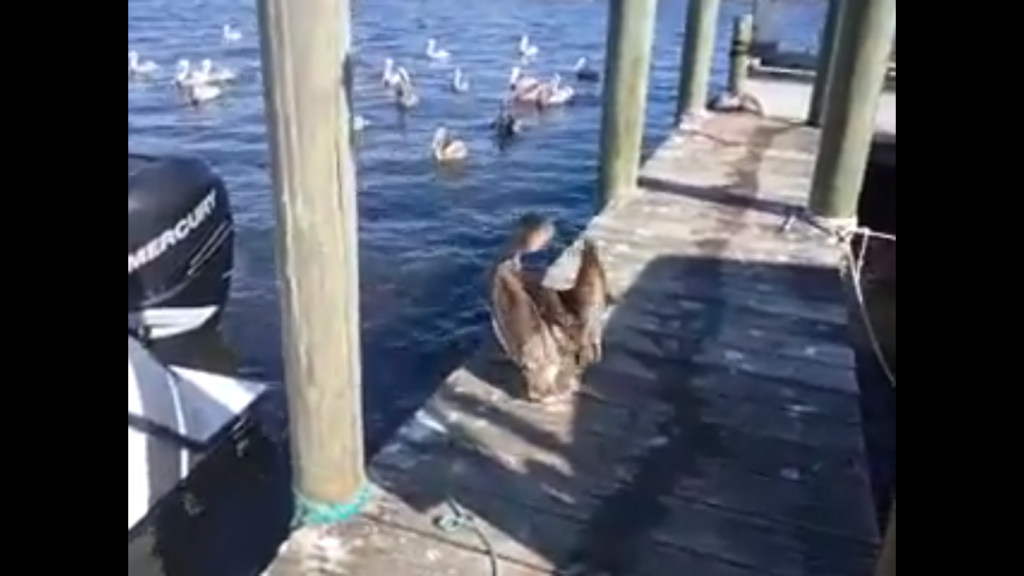
Primary Habitat: Beaches, piers, and coastal waters.
Local Status: Native; year-round resident.
The Brown Pelican dives from heights of 60 feet to catch fish in coastal waters. Large flocks roost on dock pilings and jetties throughout Fort Pierce and Stuart. The species recovered from near-extinction after the 1972 ban on DDT pesticides.
Least Tern (Sternula antillarum)
Primary Habitat: Open sandy beaches and gravel rooftops.
Local Status: State-threatened.
The Least Tern is the smallest tern species in North America, measuring 9 inches long. They nest in colonies on undisturbed beach sand from April through August. Many Treasure Coast colonies now nest on flat commercial rooftops due to beach development.
Black Skimmer (Rynchops niger)
Primary Habitat: Coastal beaches, sandbars, and estuaries.
Local Status: State-threatened.
The Black Skimmer feeds by flying low over water with its lower bill cutting the surface to catch small fish. The lower mandible is longer than the upper, a unique adaptation among birds. Nesting colonies are protected on beaches at Fort Pierce Inlet State Park.
Sanderling (Calidris alba)
Primary Habitat: Wave-washed beaches and sandbars.
Local Status: Migratory winter resident.
The Sanderling appears on Treasure Coast beaches from August through May as small white-and-gray shorebirds chasing receding waves. They feed on tiny invertebrates in the wet sand. Most sanderlings observed locally breed in the high Arctic during summer.
Atlantic Ghost Crab (Ocypode quadrata)
Primary Habitat: Sandy beaches above the high tide line.
Local Status: Native; year-round resident.
The Atlantic Ghost Crab emerges at night from sandy burrows to scavenge along the beach. Their pale coloration provides camouflage against beach sand. Beach walkers commonly spot burrow openings during morning walks.
Queen Conch (Aliger gigas)
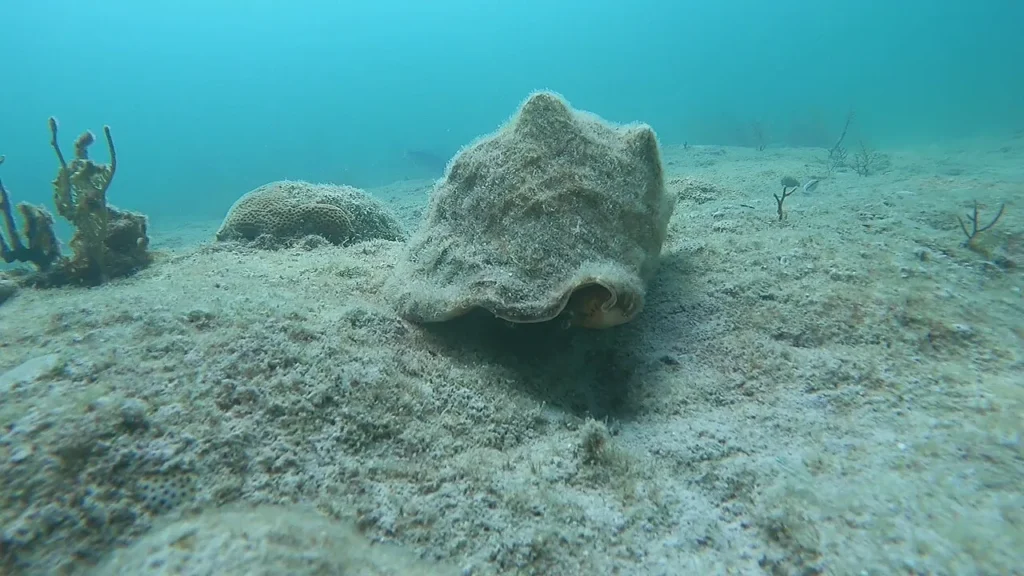
Primary Habitat: Shallow seagrass beds and sandy bottoms.
Local Status: Protected; harvest prohibited in Florida.
The Queen Conch is a large marine snail with a distinctive pink-lipped spiral shell. Live conchs cannot be harvested in Florida state waters. Empty shells found on beaches make popular keepsakes.
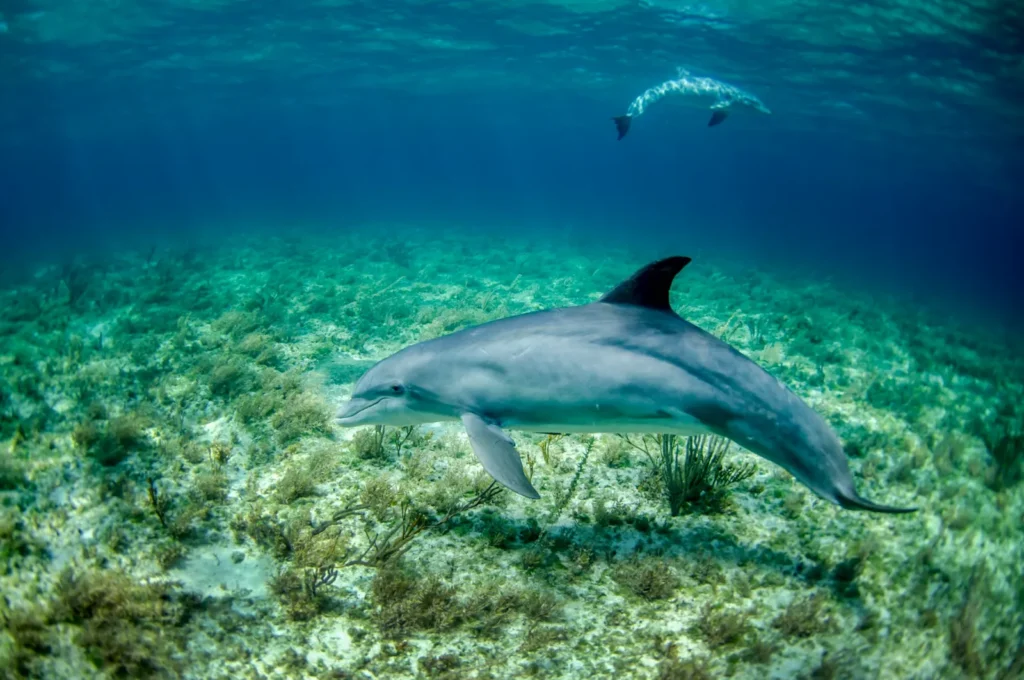
Bottlenose Dolphin (Tursiops truncatus)
unsplash noaa
Primary Habitat: Coastal Atlantic waters and the Indian River Lagoon.
Local Status: Native; year-round resident.
The Bottlenose Dolphin forms resident pods throughout the Indian River Lagoon and nearshore Atlantic waters. Local pods are individually tracked by researchers based on unique dorsal fin markings. Federal law prohibits feeding or harassing wild dolphins.
Clymene Dolphin (Stenella clymene)
Primary Habitat: Deep offshore Atlantic waters.
Local Status: Native; rarely observed nearshore.
The Clymene Dolphin lives in deep offshore waters and is rarely seen from Treasure Coast beaches. The species is smaller than bottlenose dolphins and travels in groups of 50 or more. Sightings typically occur during deep-sea fishing trips.
Indian River Lagoon and Brackish Waterways
West Indian Manatee (Trichechus manatus)
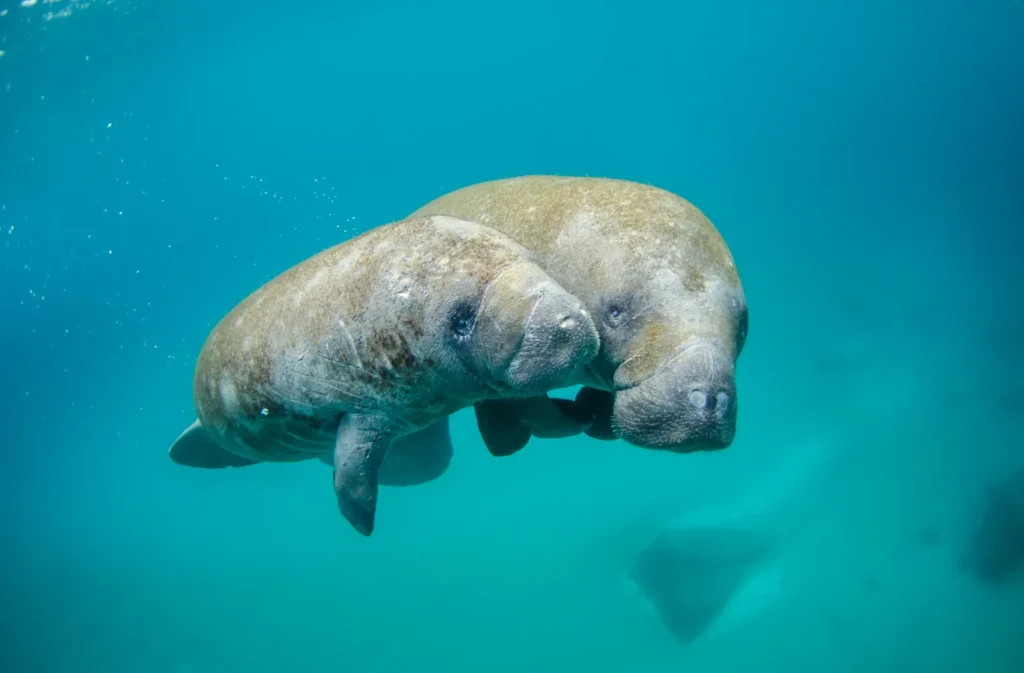
Primary Habitat: Indian River Lagoon, rivers, and warm-water springs.
Local Status: Federally threatened.
The West Indian Manatee gathers in warm-water refuges during winter when water temperatures drop below 68 degrees Fahrenheit. Manatee Pocket in Stuart and Round Island Riverside Park in Vero Beach offer reliable viewing locations. Boaters must obey posted slow-speed zones to prevent prop strikes.
American Alligator (Alligator mississippiensis)
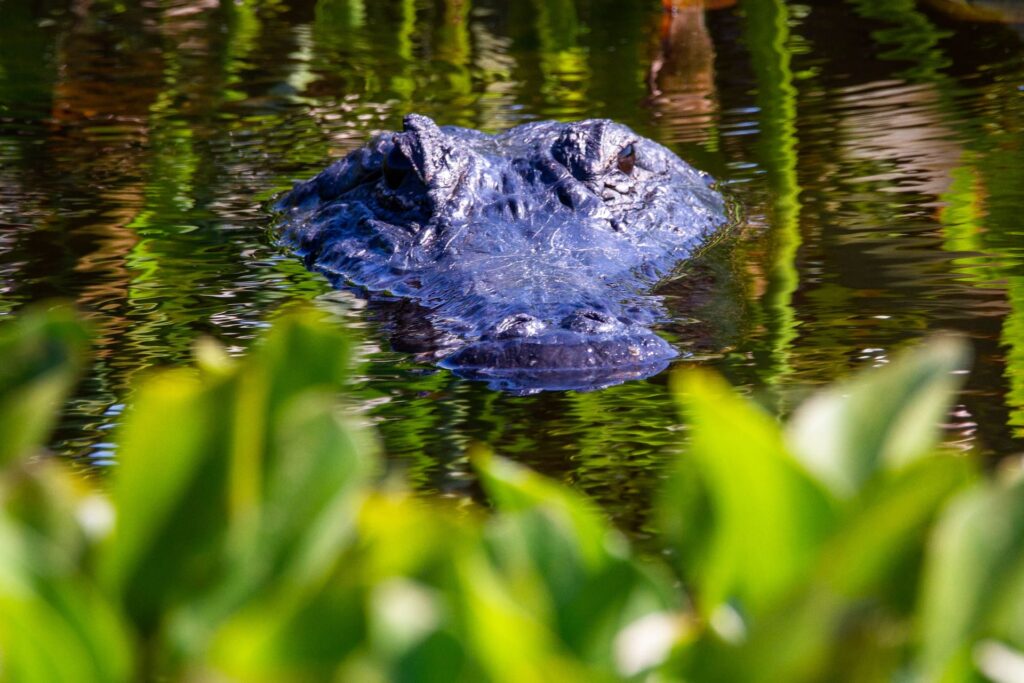
Primary Habitat: Freshwater lakes, canals, and brackish marshes.
Local Status: Federally threatened due to similarity of appearance.
The American Alligator inhabits virtually every freshwater body on the Treasure Coast. Adults can exceed 12 feet in length. Never feed alligators, as this behavior creates dangerous animals that lose their natural fear of humans. Report nuisance alligators to FWC at 866-FWC-GATOR.
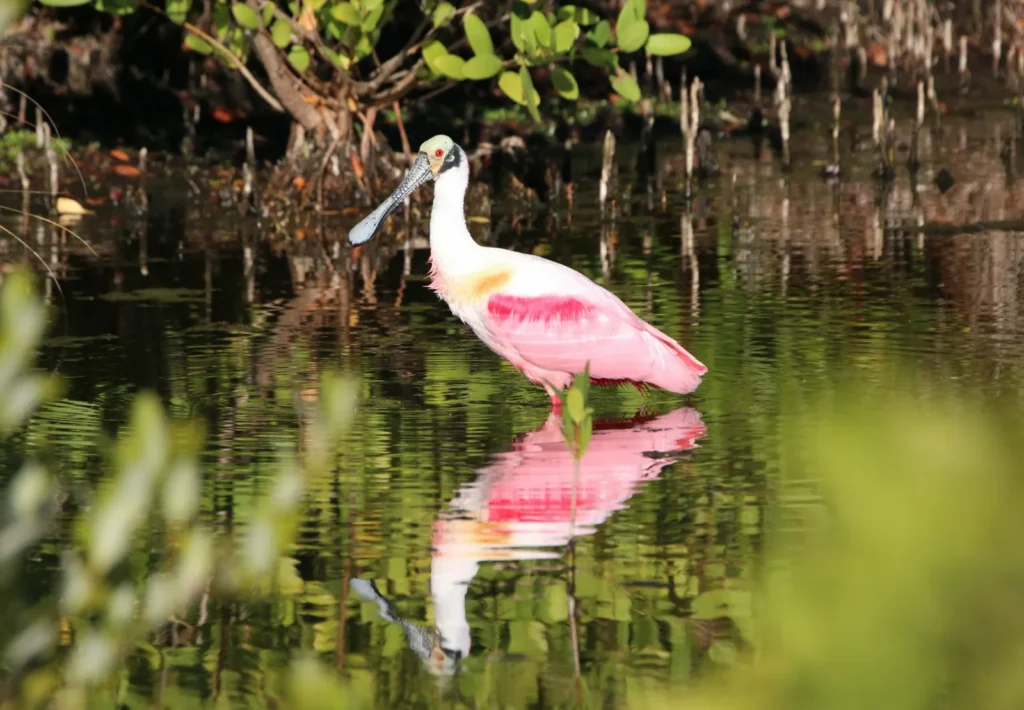
Roseate Spoonbill (Platalea ajaja)
 f
f
Primary Habitat: Mangrove estuaries and shallow lagoons.
Local Status: State-threatened.
The Roseate Spoonbill displays bright pink plumage from carotenoids in its crustacean diet. The species feeds by sweeping its spatula-shaped bill side-to-side through shallow water. Spoonbills are commonly observed at the Indian River Lagoon shorelines.
Great Blue Heron (Ardea herodias)
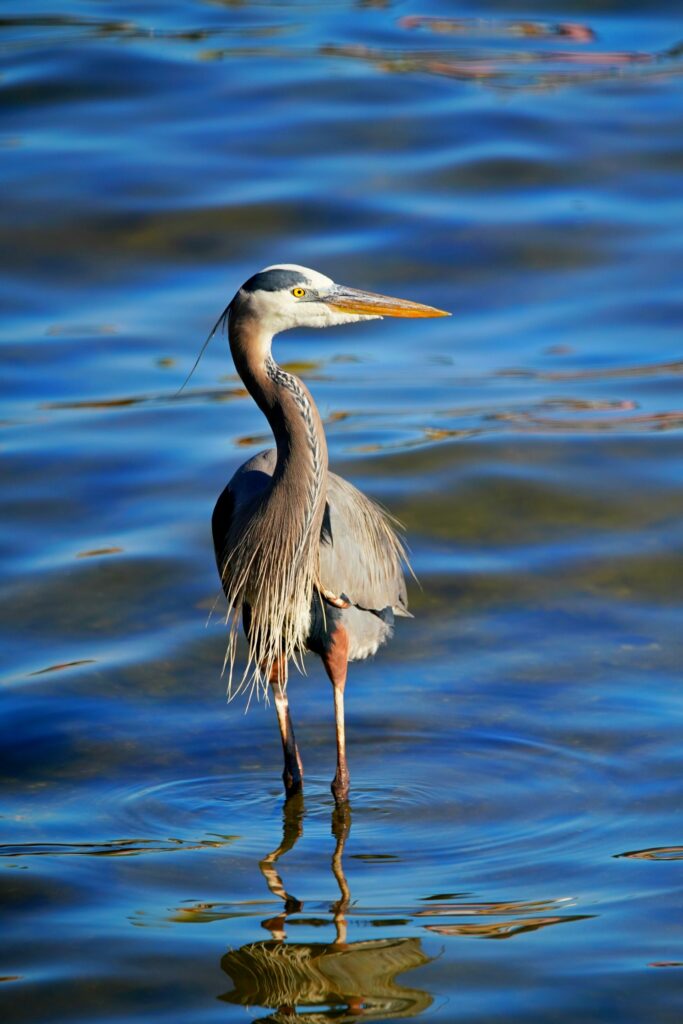
Great Blue in Sebastian by Paul Thibault
Primary Habitat: Lagoon shorelines, freshwater ponds, and canals.
Local Status: Native; year-round resident.
The Great Blue Heron stands up to 4 feet tall, making it the largest heron in North America. The species hunts fish, frogs, and small reptiles in shallow water. Great Blue Herons nest in tall trees in colonial rookeries.
Great Egret (Ardea alba)
Primary Habitat: Lagoon edges, marshes, and golf course ponds.
Local Status: Native; year-round resident.
The Great Egret hunts fish and small aquatic animals using a slow, deliberate stalking technique. During breeding season, adults develop long ornamental plumes called aigrettes. Plume hunting nearly drove the species to extinction in the late 1800s.
Wood Stork (Mycteria americana)
Primary Habitat: Freshwater wetlands and shallow lagoon edges.
Local Status: Federally threatened.
The Wood Stork is the only native stork species in the United States. The bird feeds by holding its bill open underwater and snapping it shut on contact with prey. Local populations rely on shallow concentrated fish in drying wetlands.
Osprey (Pandion haliaetus)
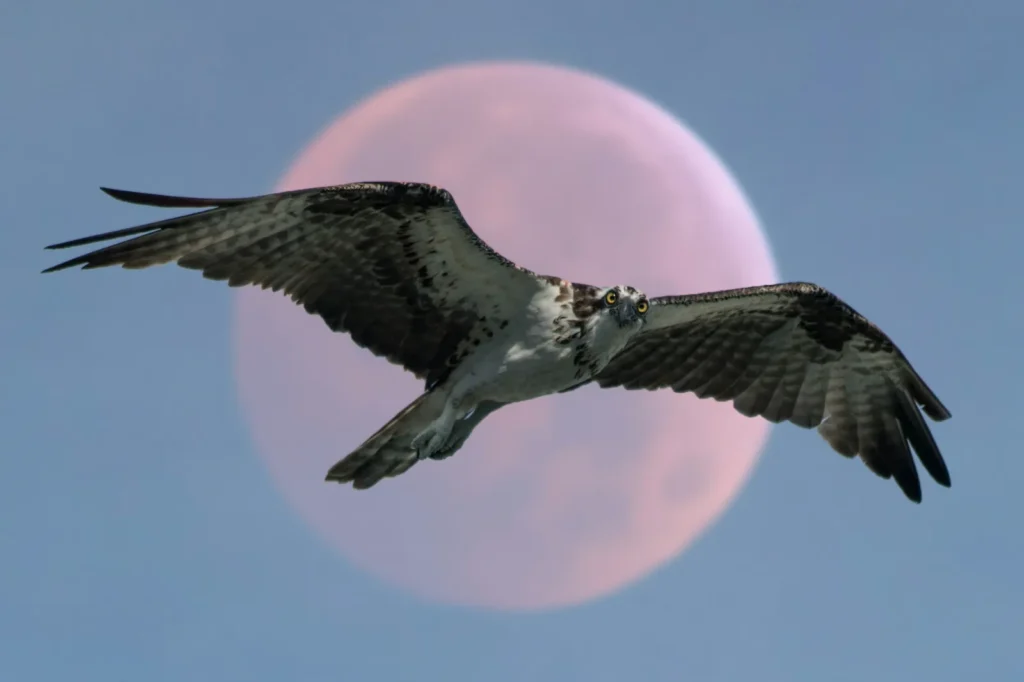
Primary Habitat: Coastal waters, lagoon, and large freshwater bodies.
Local Status: Native; year-round resident.
The Osprey builds large stick nests on channel markers, utility poles, and constructed platforms throughout the Treasure Coast. These raptors dive feet-first to catch fish, their exclusive food source. The species recovered strongly after DDT was banned.
Limpkin (Aramus guarauna)
Primary Habitat: Freshwater wetlands and lagoon edges.
Local Status: Native; specialized predator.
The Limpkin feeds almost exclusively on apple snails. The bird’s distinctive loud wailing call carries across wetlands at dawn and dusk. Limpkin populations have expanded with the spread of invasive island apple snails.
Mangrove Cuckoo (Coccyzus minor)
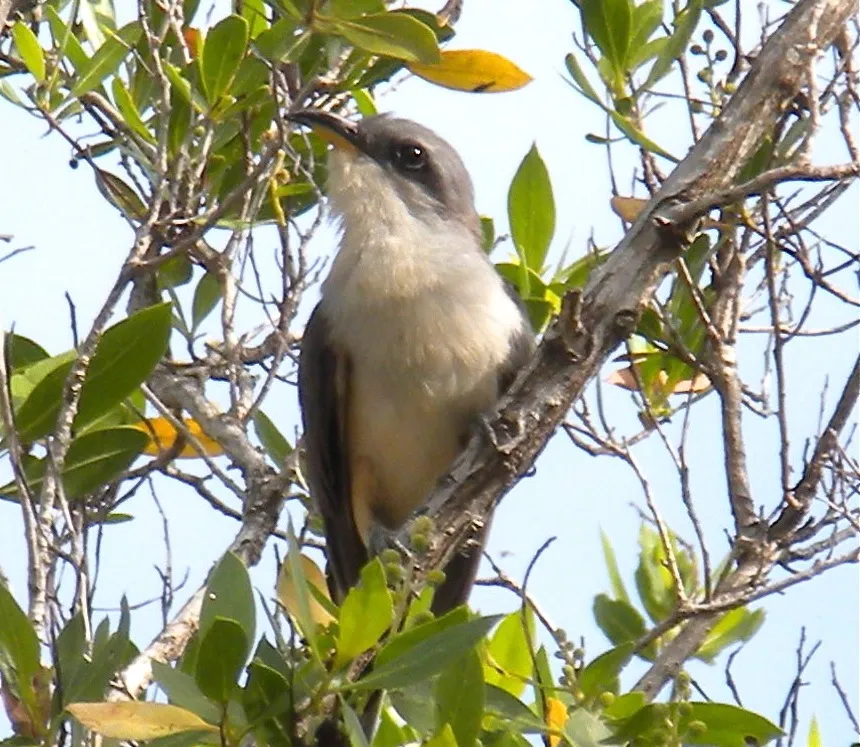
Primary Habitat: Coastal mangrove forests and tropical hammocks.
Local Status: Native; uncommon and secretive.
The Mangrove Cuckoo remains hidden within dense mangrove canopy and is heard more often than seen. The species feeds on large caterpillars and insects. Treasure Coast mangroves represent the northern edge of its breeding range.
Diamondback Terrapin (Malaclemys terrapin)
Primary Habitat: Brackish marshes and mangrove estuaries.
Local Status: State Species of Special Concern.
The Diamondback Terrapin is the only turtle species in North America that lives exclusively in brackish water. Females nest on sandy spoil islands during summer. Crab traps without bycatch reduction devices pose a major threat to local populations.
Florida Softshell Turtle (Apalone ferox)
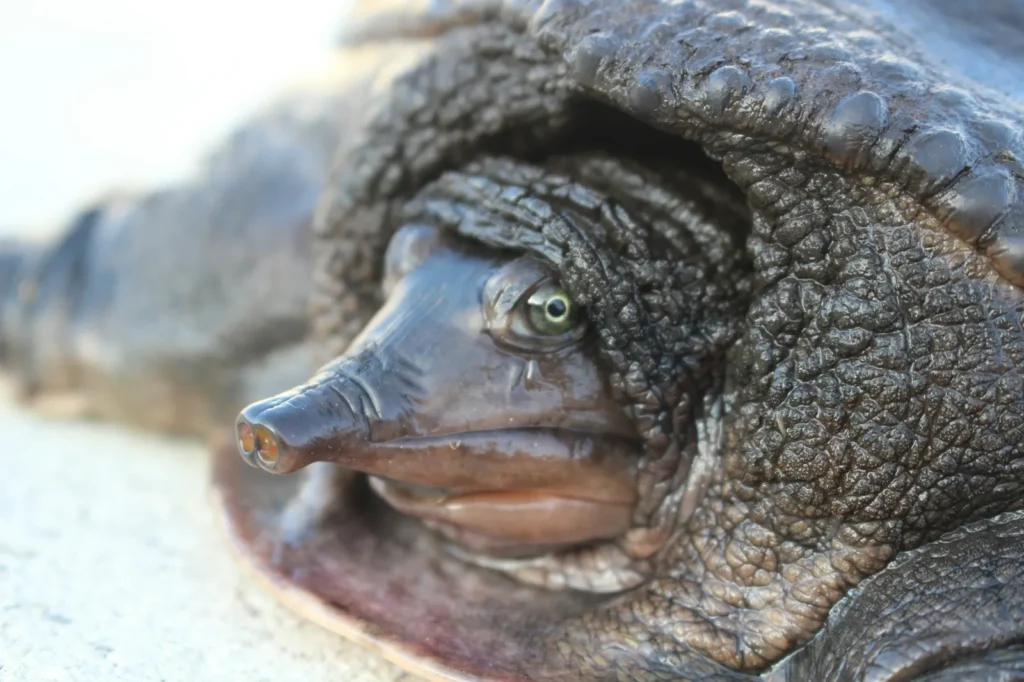
Primary Habitat: Freshwater lakes, canals, and slow rivers.
Local Status: Native; year-round resident.
The Florida Softshell Turtle has a flat, leathery shell and a long pig-like snout. The species can grow up to 30 pounds. Softshells often bask on logs but quickly slide into the water when approached.
Fiddler Crab (Uca species)
Primary Habitat: Mangrove mudflats and intertidal salt marshes.
Local Status: Native; abundant year-round.
The Fiddler Crab males display one oversized claw used for territorial signaling and mating displays. Large colonies inhabit mudflats throughout the Indian River Lagoon. Fiddler crabs provide critical food for wading birds and game fish.
Blue Land Crab (Cardisoma guanhumi)
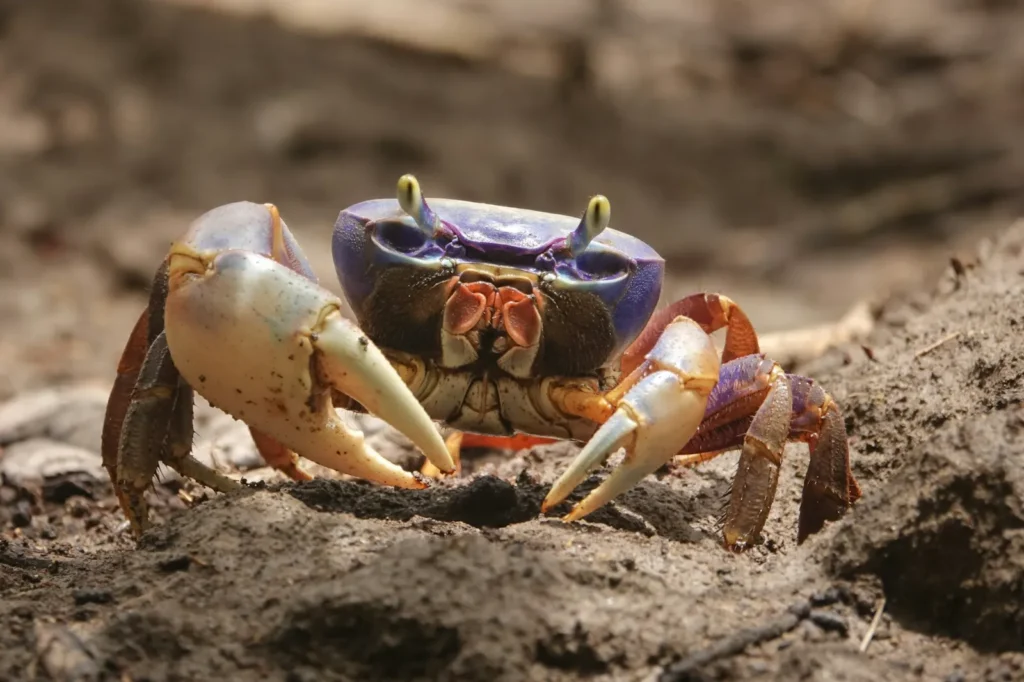
Primary Habitat: Coastal forests, mangrove edges, and burrows in residential yards.
Local Status: Native; harvest regulated by FWC.
The Blue Land Crab migrates from inland burrows to the ocean to release eggs from June through December, with peak activity during summer rainstorms. Adults can reach shell widths of 6 inches. The FWC closed harvest annually during peak breeding from July through October.
Tarpon (Megalops atlanticus)
Primary Habitat: Coastal waters, lagoons, and inlets.
Local Status: Native; catch-and-release only in Florida.
The Tarpon grows to over 200 pounds and is prized by anglers for its acrobatic fights when hooked. Tarpon move through the St. Lucie Inlet and Fort Pierce Inlet during seasonal migrations. Florida law requires tarpon over 40 inches to be released without removal from the water.
Snook (Centropomus undecimalis)

Primary Habitat: Mangrove shorelines, inlets, and seagrass beds.
Local Status: Native; harvest regulated by season and slot limits.
The Snook tolerates a wide range of salinity and moves between fresh, brackish, and salt water. The species is cold-sensitive and suffers die-offs during severe winter freezes. FWC maintains strict harvest seasons and slot limits to protect populations.
Mangrove Snapper (Lutjanus griseus)
Primary Habitat: Mangrove roots, dock pilings, and reef structures.
Local Status: Native; popular food fish.
The Mangrove Snapper shelters near submerged structure throughout the Indian River Lagoon. Juveniles use mangrove roots as nursery habitat before moving offshore as adults. The species feeds on small fish and crustaceans.
Inland Woods, Hammocks, and Pine Flatwoods
Florida Panther (Puma concolor coryi)
Primary Habitat: Large undeveloped tracts of forest and swamp.
Local Status: Federally endangered.
The Florida Panther is the official state animal and one of the most endangered mammals in North America. The estimated wild population numbers between 120 and 230 adults statewide. Panthers occasionally disperse into the Treasure Coast region through corridors connecting to South Florida habitats.
Bobcat (Lynx rufus)
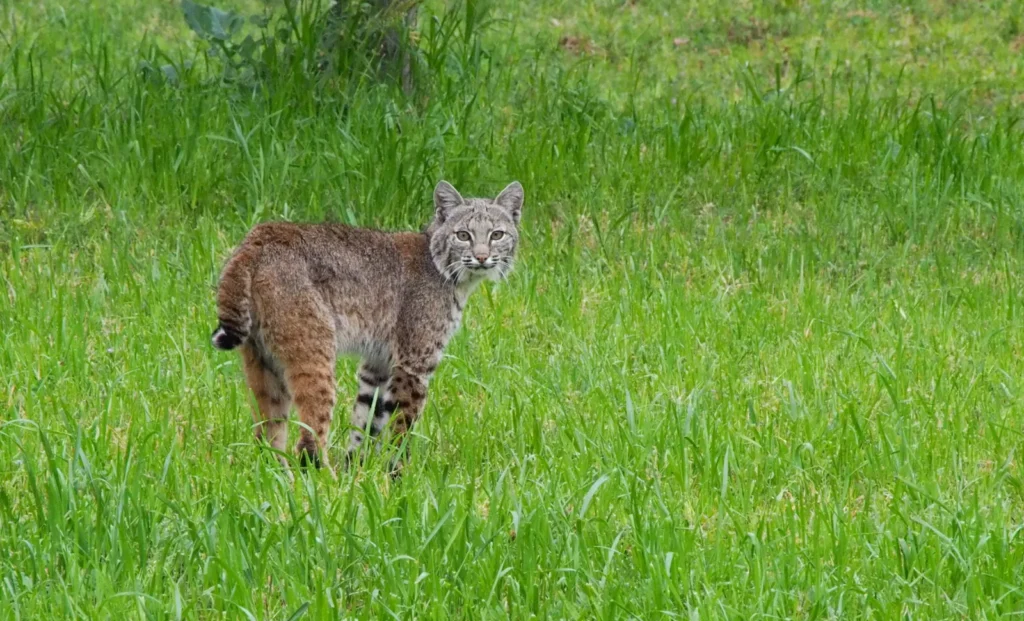
Primary Habitat: Pine flatwoods, swamps, and suburban edges.
Local Status: Native; common but secretive.
The Bobcat is the most common wild cat on the Treasure Coast, weighing 15 to 30 pounds at maturity. Bobcats hunt rabbits, rodents, and small birds at dawn and dusk. The species rarely poses a threat to humans but can take small unattended pets.
Nine-Banded Armadillo (Dasypus novemcinctus)
Primary Habitat: Wooded areas, suburban lawns, and garden beds.
Local Status: Established non-native; widespread.
The Nine-Banded Armadillo arrived in Florida by both natural range expansion and human introduction. Armadillos dig for grubs and insects, often damaging lawns and landscaping. Their poor eyesight allows quiet observers to approach within several feet.
Eastern Gray Squirrel (Sciurus carolinensis)
Primary Habitat: Hardwood hammocks, oak trees, and urban neighborhoods.
Local Status: Native; abundant year-round.
The Eastern Gray Squirrel is the most commonly observed mammal in Treasure Coast neighborhoods. The species caches acorns and other nuts, contributing to oak forest regeneration. Squirrels build leaf nests called dreys in tree forks.
Bald Eagle (Haliaeetus leucocephalus)
Primary Habitat: Lakes, large rivers, and coastal areas.
Local Status: Federally protected; recovered population.
The Bald Eagle nests throughout the Treasure Coast in tall pines and cypress trees near water. Active nests can weigh over 1,000 pounds and are reused across multiple breeding seasons. Federal law prohibits disturbing nests within 660 feet during the nesting period.
Swallow-Tailed Kite (Elanoides forficatus)
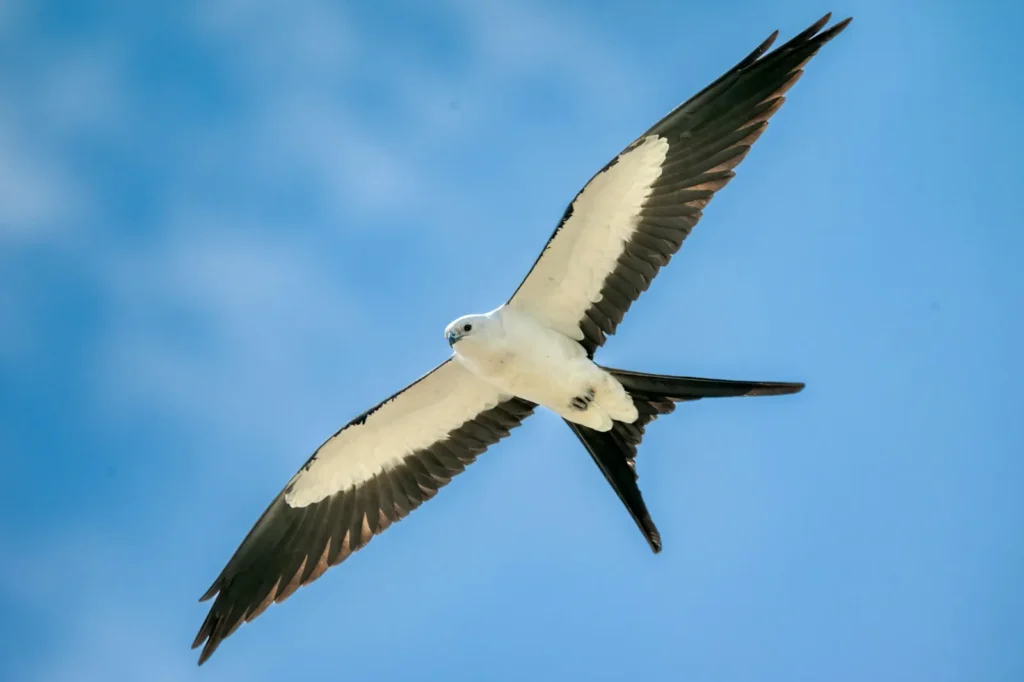
Primary Habitat: Pine flatwoods, river forests, and open wetlands.
Local Status: Native; spring and summer resident.
The Swallow-Tailed Kite arrives on the Treasure Coast in February and departs for South America in August. The black-and-white raptor catches insects and small reptiles in mid-air using its forked tail for agile maneuvering. Jonathan Dickinson State Park provides quality nesting habitat.
Sandhill Crane (Antigone canadensis)
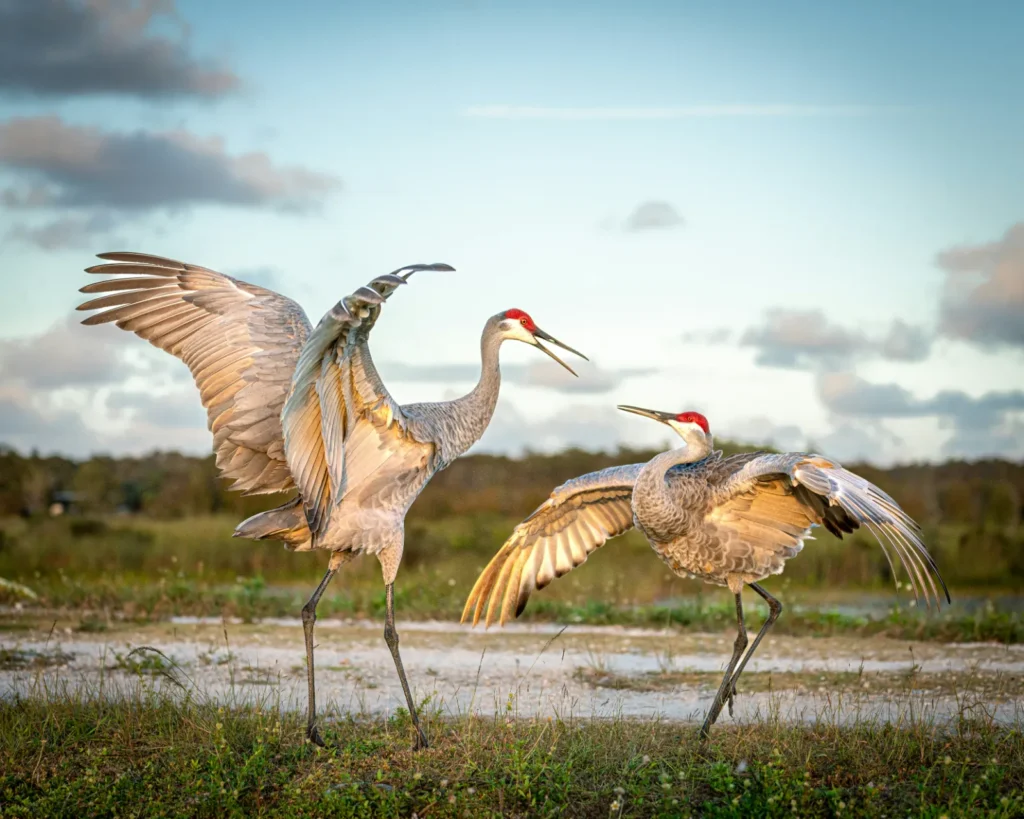
Sandhill Cranes: a common sight at the Savannahs Preserve State Park. (Richard Sagredo)
Primary Habitat: Open prairies, pasture, and freshwater wetlands.
Local Status: State-threatened resident subspecies.
The Sandhill Crane stands nearly 4 feet tall and produces a loud rattling call audible from over a mile away. The Florida subspecies remains year-round, unlike migratory populations from northern states. Pairs mate for life and return to the same nesting territories.
Barred Owl (Strix varia)
Primary Habitat: Mature hardwood forests and cypress swamps.
Local Status: Native; year-round resident.
The Barred Owl produces the distinctive “who-cooks-for-you” call heard at night across wooded Treasure Coast neighborhoods. The species hunts rodents, frogs, and small reptiles from low perches. Mature trees with cavities provide essential nesting sites.
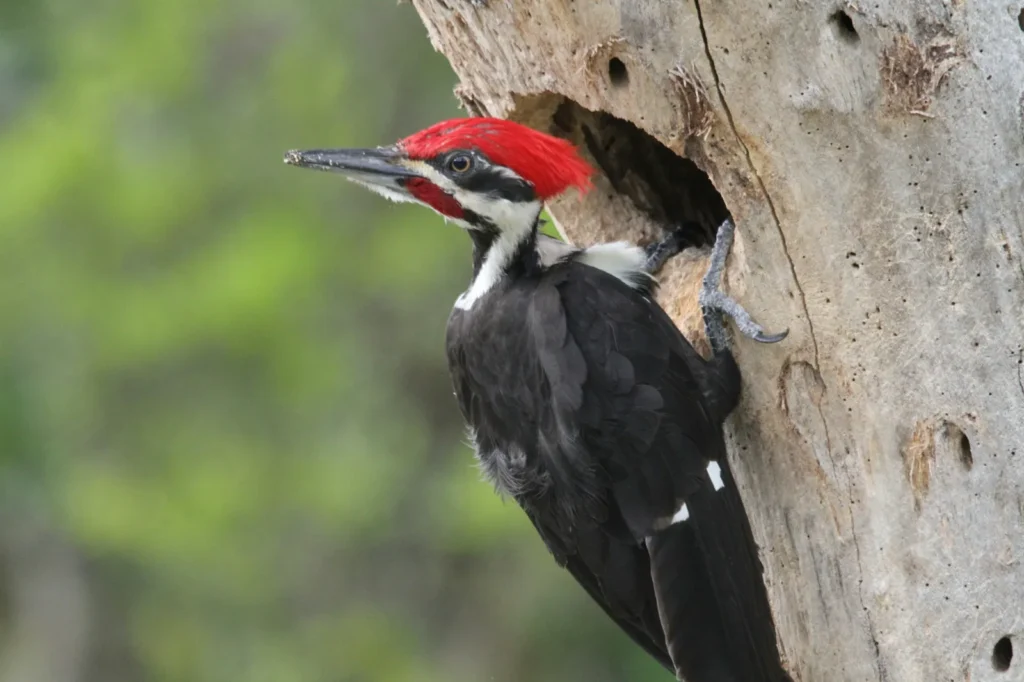
Pileated Woodpecker (Dryocopus pileatus)
Primary Habitat: Mature hardwood forests and cypress swamps.
Local Status: Native; year-round resident.
The Pileated Woodpecker is the largest woodpecker species in Florida, measuring up to 19 inches long. The bird excavates rectangular feeding holes in dead trees while searching for carpenter ants. Loud drumming serves as territorial communication.
Red-Bellied Woodpecker (Melanerpes carolinus)
Primary Habitat: Hardwood hammocks, residential yards, and wooded edges.
Local Status: Native; common year-round.
The Red-Bellied Woodpecker is the most commonly observed woodpecker at backyard feeders. The species feeds on insects, nuts, and fruits. The red crown on adult males is more visible than the faint red wash on the belly that gives the bird its name.
Eastern Indigo Snake (Drymarchon couperi)
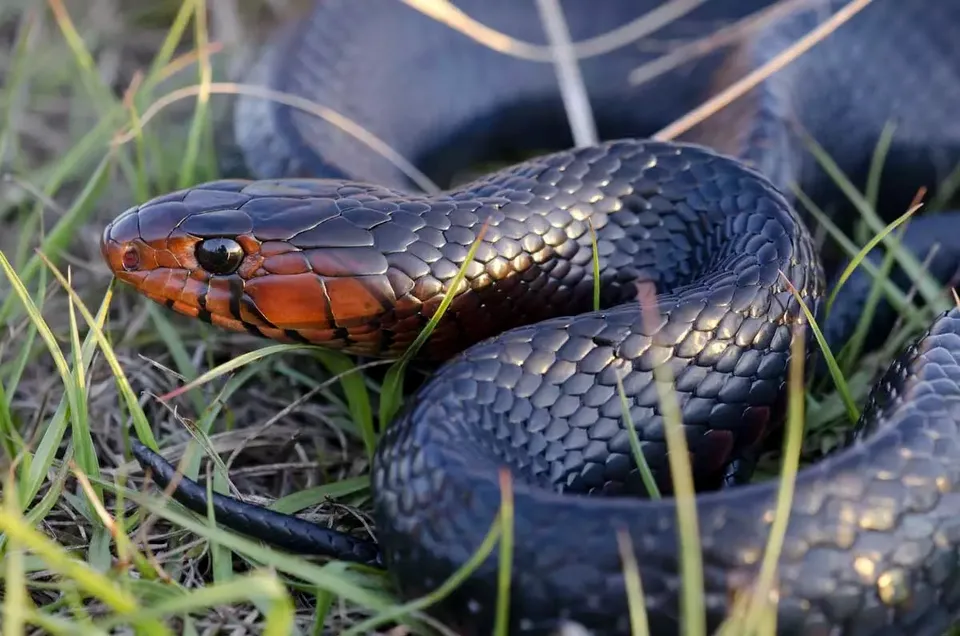
Primary Habitat: Pine flatwoods, sandhills, and gopher tortoise burrows.
Local Status: Federally threatened.
The Eastern Indigo Snake is the longest native snake in North America, reaching 8 feet in length. Indigo snakes are non-venomous and feed on other snakes, including venomous species. They shelter in gopher tortoise burrows during cold weather.
Southern Black Racer (Coluber constrictor priapus)
Primary Habitat: Suburban yards, pine flatwoods, and palmetto thickets.
Local Status: Native; common year-round.
The Southern Black Racer is a fast-moving non-venomous snake commonly observed in Treasure Coast yards. The species feeds on lizards, frogs, rodents, and large insects. Racers may bite if cornered but pose no medical threat to humans.
Eastern Glass Lizard (Ophisaurus ventralis)
Primary Habitat: Grasslands, garden mulch, and suburban yards.
Local Status: Native; commonly mistaken for a snake.
The Eastern Glass Lizard is a legless lizard often misidentified as a snake. Unlike snakes, glass lizards have movable eyelids, external ear openings, and can shed their tail when threatened. The fragile shed tail breaks into multiple pieces, giving the species its common name.
Florida Box Turtle (Terrapene carolina bauri)
Primary Habitat: Hardwood hammocks, pine flatwoods, and garden beds.
Local Status: Native; harvest prohibited.
The Florida Box Turtle can fully close its hinged shell to protect against predators. The species lives entirely on land and rarely enters water. Florida law prohibits keeping box turtles as pets without proper permits.
Florida Scrub Habitats (Endemic Species)
Florida Scrub-Jay (Aphelocoma coerulescens)
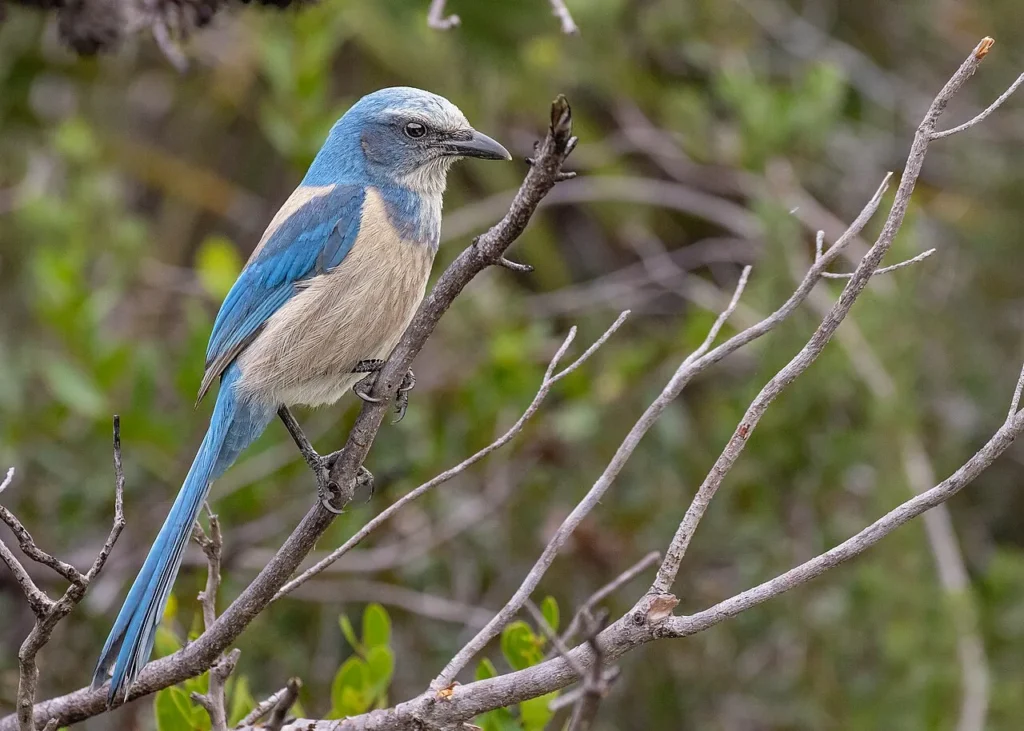
Primary Habitat: Sandy scrub with low oaks and open patches.
Local Status: Federally threatened; only bird endemic to Florida.
The Florida Scrub-Jay is the only bird species found exclusively in Florida. The bird requires regularly burned scrub habitat to survive. Savannas Preserve State Park and Jonathan Dickinson State Park protect critical scrub-jay populations on the Treasure Coast.
Gopher Tortoise (Gopherus polyphemus)
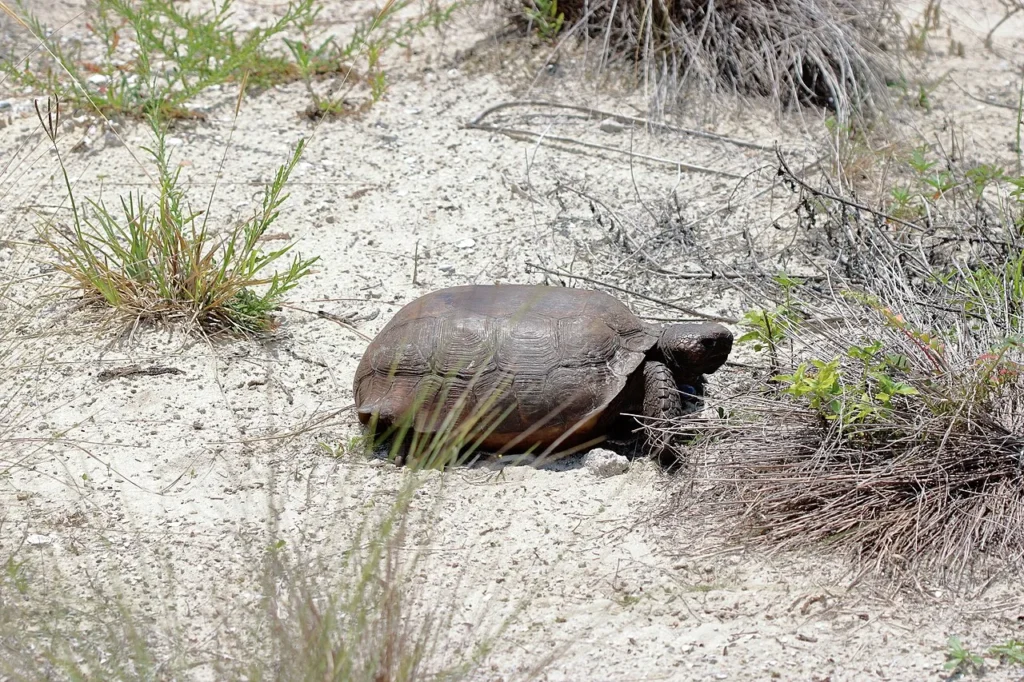
Primary Habitat: Sandy pine flatwoods, scrub, and coastal dunes.
Local Status: State-threatened keystone species.
The Gopher Tortoise excavates deep burrows up to 40 feet long that provide critical shelter for more than 350 other native species, including the Eastern Indigo Snake. Homeowners must never disturb active burrows, as these animals receive state protection. Permits from FWC are required for any relocation activity.
Sand Skink (Plestiodon reynoldsi)
Primary Habitat: Sandy scrub habitats in the central Florida ridges.
Local Status: Federally threatened; Florida endemic.
The Sand Skink spends its life “swimming” through loose sand below the surface. The species has tiny vestigial legs and lacks external ear openings. Sand skinks are detected primarily by the wavy tracks they leave in sand.
Garden Invertebrates and Urban Neighbors
Green Anole (Anolis carolinensis)
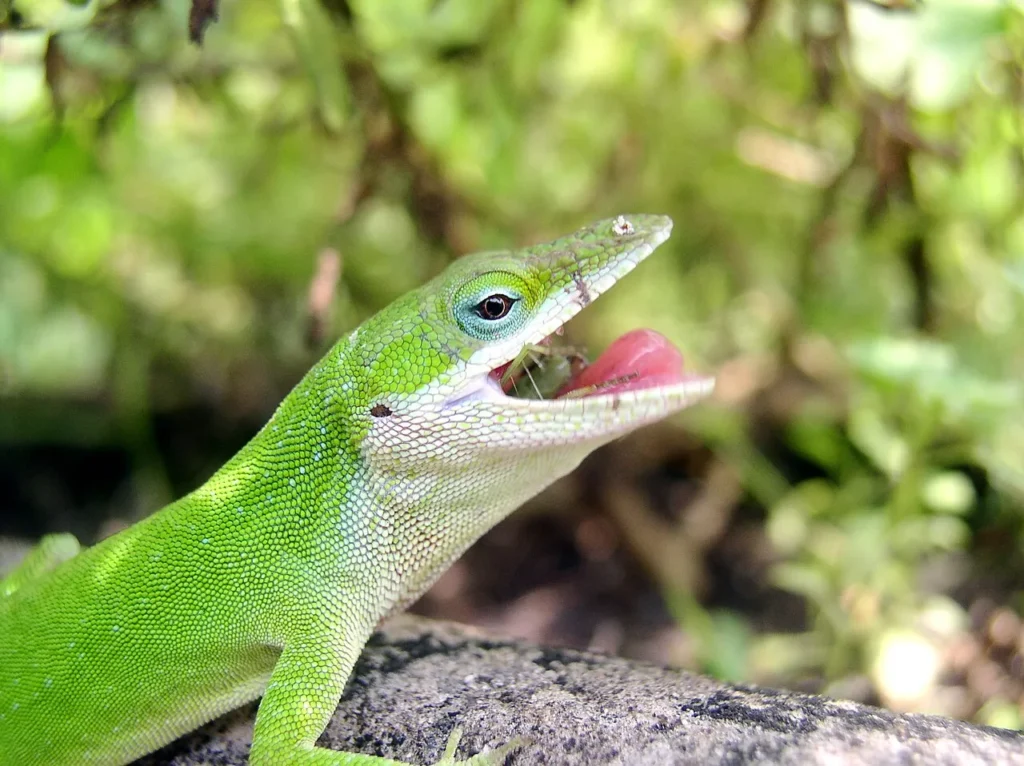
Primary Habitat: Shrubs, fences, and garden vegetation.
Local Status: Native; declining due to invasive Brown Anole competition.
The Green Anole can change color from bright green to brown depending on temperature and stress. Males display a pink throat fan called a dewlap during territorial disputes. Native green anoles increasingly retreat to higher vegetation as invasive brown anoles dominate lower areas.
Southern Toad (Anaxyrus terrestris)
Primary Habitat: Sandy yards, garden beds, and forest edges.
Local Status: Native; harmless to pets.
The Southern Toad is the native toad species commonly found across Treasure Coast yards. Adults reach 3 to 4 inches long and display prominent cranial crests behind the eyes. Southern toads pose no significant threat to dogs or cats that mouth them.
Zebra Longwing Butterfly (Heliconius charithonia)
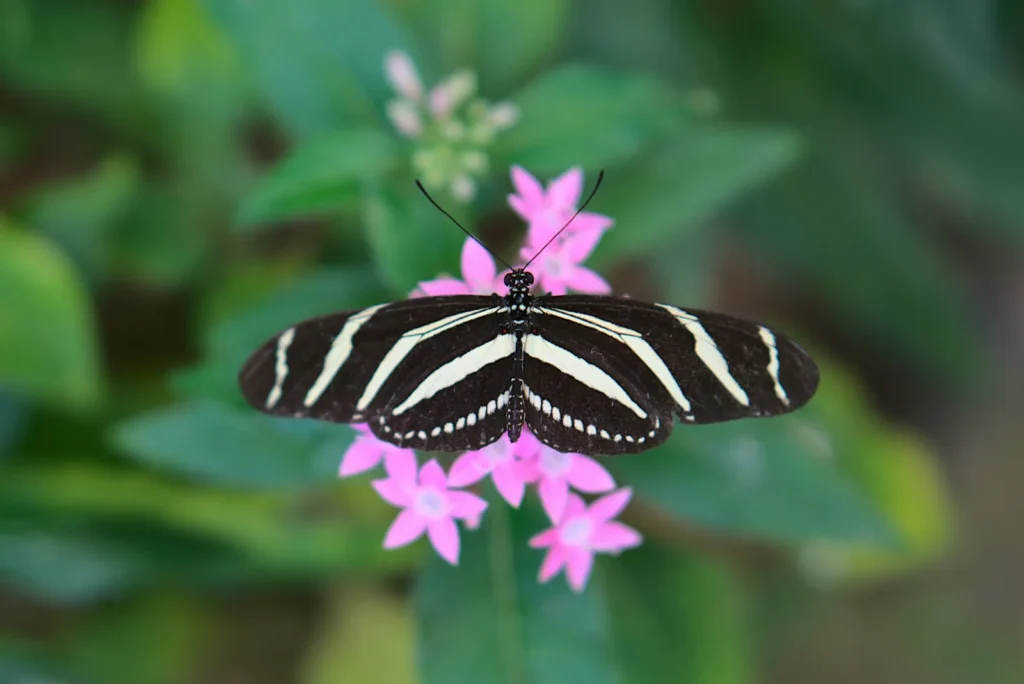
Primary Habitat: Wooded edges, hammocks, and native gardens.
Local Status: Native; official Florida state butterfly.
The Zebra Longwing Butterfly displays distinctive yellow stripes on long black wings. The species roosts communally in groups of dozens at night. Zebra longwings are unique among butterflies for feeding on pollen as well as nectar, extending their lifespan to several months.
Gulf Fritillary (Dione vanillae)
Primary Habitat: Open fields, gardens, and roadside vegetation.
Local Status: Native; year-round resident.
The Gulf Fritillary displays bright orange wings with black markings and silver spots on the underside. Caterpillars feed exclusively on passion vine plants. Gardeners often plant native passion vine to attract this species.
Great Purple Hairstreak (Atlides halesus)
Primary Habitat: Oak hammocks with mistletoe.
Local Status: Native; uncommon.
The Great Purple Hairstreak displays iridescent blue-purple coloring on its upper wings. Caterpillars feed exclusively on mistletoe growing in oak trees. Adults nectar at flowering trees and shrubs.
Faithful Beauty Moth (Composia fidelissima)
Primary Habitat: Coastal hammocks and tropical gardens.
Local Status: Native; day-flying moth.
The Faithful Beauty Moth displays bright blue, red, and white markings and flies during daylight hours. The species is often mistaken for a butterfly due to its diurnal habits and bold coloration. Caterpillars feed on toxic devil’s potato vine, making adults distasteful to predators.
Pearly Wood-Nymph (Eudryas unio)
Primary Habitat: Wooded edges and garden landscapes.
Local Status: Native; small day-flying moth.
The Pearly Wood-Nymph resembles a bird dropping when at rest, an effective camouflage from predators. Caterpillars feed on grape vines and Virginia creeper. The species can be active during both day and night.
Io Moth (Automeris io)
Primary Habitat: Pine flatwoods, hammocks, and suburban areas.
Local Status: Native; striking eyespot display.
The Io Moth displays large eyespots on hindwings to startle predators. Caterpillars produce a painful sting from venomous spines. Homeowners should teach children to avoid touching brightly colored green caterpillars with red and white side stripes.
Two-Striped Walking Stick (Anisomorpha buprestoides)
Primary Habitat: Pine forests, hammocks, and palmetto thickets.
Local Status: Native; known locally as “Devil Rider.”
The Two-Striped Walking Stick sprays a defensive chemical that causes intense burning if it contacts eyes. Pairs are commonly observed with the smaller male riding on the larger female’s back. Pet owners should keep dogs from investigating these insects.
Mole Cricket (Scapteriscus species)
Primary Habitat: Sandy lawns, golf courses, and pasture.
Local Status: Invasive species established in Florida.
The Mole Cricket tunnels through soil at night, severely damaging turf grass and pasture. Three invasive species cause significant agricultural damage in Florida. Males produce loud chirping calls from burrow openings during evening hours.
Jadera Bug (Jadera haematoloma)
Primary Habitat: Under golden rain trees and balloon vines.
Local Status: Native; harmless red-and-black bug.
The Jadera Bug, also called the red-shouldered bug, gathers in large clusters under golden rain trees during fall and winter. The insects feed on fallen seeds and cause no damage to plants or structures. Jadera bugs do not bite or sting humans.
Golden Silk Orbweaver (Trichonephila clavipes)
Primary Habitat: Wooded trails, hammocks, and garden edges.
Local Status: Native; locally called “Banana Spider.”
The Golden Silk Orbweaver, commonly called the Banana Spider, spins large yellow-tinted webs across hiking trails. Female bodies reach 2 inches long with leg spans up to 5 inches. The species is mildly venomous but bites only when handled and produces effects no worse than a bee sting.
Spiny-Backed Orbweaver Spider (Gasteracantha cancriformis)
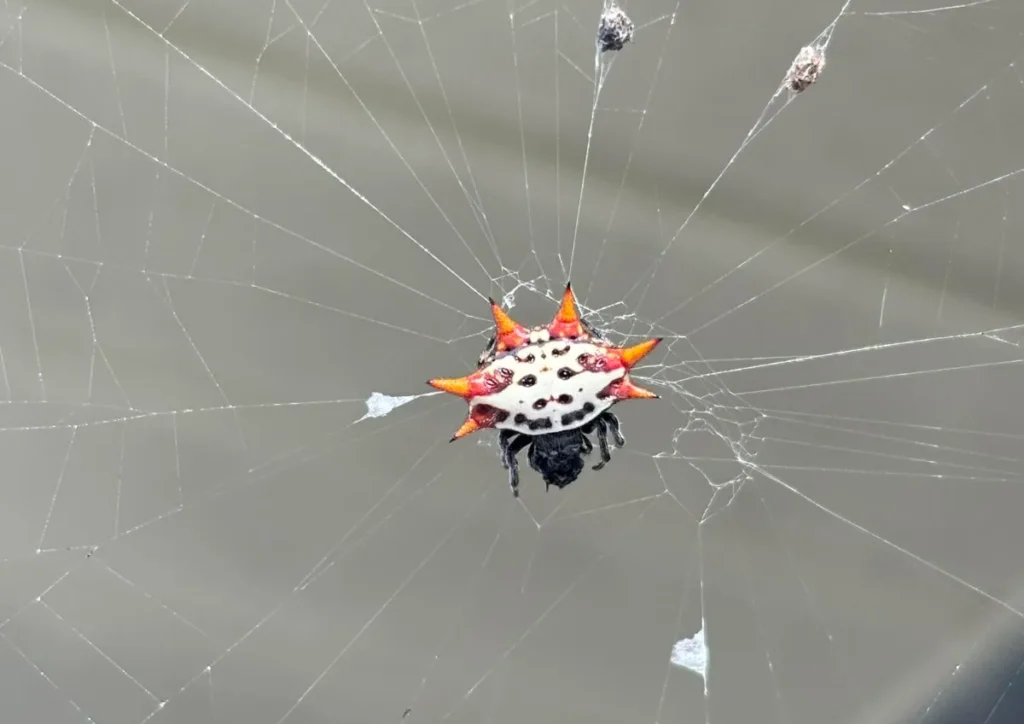
Primary Habitat: Gardens, citrus groves, and wooded yards.
Local Status: Native; harmless to humans.
The Spiny-Backed Orbweaver displays a white, yellow, or red crab-shaped body with six prominent spines. The species builds circular webs at face height across yards and pathways. Bites are extremely rare and cause only minor local irritation.
Green Lynx Spider (Peucetia viridans)
Primary Habitat: Garden plants, flowers, and shrubs.
Local Status: Native; beneficial garden predator.
The Green Lynx Spider hunts insects without building webs and provides natural pest control in gardens. Females aggressively guard egg sacs and can spit venom up to a foot away when threatened. The species poses no medical threat to humans.
Native vs. Invasive: Treasure Coast Toads
Two toad species commonly appear on the Treasure Coast, with very different consequences for pet safety.
Southern Toad (Native and Safe)
Size: 2 to 4 inches long.
Key Markers: Two prominent ridges behind the eyes form a “K” shape on the head.
Pet Risk: Minimal; may cause mild mouth foaming if licked.
Cane Toad (Invasive and Toxic)
Size: 4 to 9 inches long; significantly larger than southern toads.
Key Markers: Large triangular parotoid glands behind the eyes that slope down the shoulder.
Pet Risk: Severe; toxin can kill dogs and cats within minutes.
The Cane Toad (also called the Bufo or Marine Toad) is an invasive species that secretes bufotoxin from glands behind the eyes. If a pet bites or mouths a cane toad, rinse the mouth with running water directed sideways for 10 minutes and contact an emergency veterinarian immediately. The FWC encourages humane removal of cane toads from private property.
Coexisting Safely with Local Wildlife
Treasure Coast residents share neighborhoods with diverse native wildlife. The following practices reduce conflicts and protect both wildlife and pets.
Secure Food Sources
Bring outdoor pet food and water bowls inside at night. Open food attracts raccoons, opossums, and invasive cane toads to porches and patios. Secure trash cans with locking lids to prevent raccoons, bears, and other foragers from creating spills.
Reduce Insect Attractants
Minimize porch and yard lighting at night, or switch to yellow bug lights. Excessive lighting attracts moths and other insects, which in turn attract toads, geckos, and bats. Coastal property owners must use turtle-friendly lighting during sea turtle nesting season from March through October.
Respect Protected Burrows and Nests
Never disturb gopher tortoise burrows, sea turtle nests, or active bird nests. Florida and federal laws protect these sites with substantial penalties for disturbance. Report nest disturbances to FWC at 888-404-3922.
Maintain Distance from Alligators
Keep pets and small children at least 50 feet away from any body of water known to contain alligators. Never feed alligators under any circumstances. Feeding creates dangerous habituated animals that lose their natural fear of humans.
Practice Safe Boating
Obey posted slow-speed and idle zones in the Indian River Lagoon. These zones protect West Indian Manatees from prop strikes. Wear polarized sunglasses to spot manatees just below the surface.
Frequently Asked Questions
What should I do if I find an injured sea turtle on a Treasure Coast beach?
Call the FWC Wildlife Alert Hotline at 888-404-3922 immediately. Do not push the turtle back into the water, as injured turtles need professional medical care. Note the exact location and remain at the site if possible to help responders locate the animal.
Are Banana Spiders venomous to humans?
The Golden Silk Orbweaver, commonly called the Banana Spider, produces mild venom but rarely bites humans. Bites typically occur only when the spider is directly handled or pressed against skin. Symptoms are limited to minor pain and localized redness similar to a bee sting.
When is peak migration season for Blue Land Crabs?
Peak Blue Land Crab migration occurs from July through October, when females travel from inland burrows to coastal waters to release eggs. Migration activity intensifies after summer rainstorms. The FWC closes all harvest during these months to protect breeding populations.
How do I identify a toxic Cane Toad versus a native Southern Toad?
Cane Toads are much larger than Southern Toads, with adults reaching 4 to 9 inches compared to the 2 to 4 inch native species. Cane Toads have large triangular glands behind the eyes that slope down the shoulder, while Southern Toads have distinct ridges forming a “K” shape on the head.
Where can I see Florida Scrub-Jays on the Treasure Coast?
Savannas Preserve State Park in Port St. Lucie and Jonathan Dickinson State Park in Hobe Sound protect quality scrub habitat supporting Florida Scrub-Jay populations. Visit during early morning hours for best viewing. Never feed scrub-jays, as feeding alters their natural behavior and threatens long-term survival.
What should I do if I see a manatee in the Indian River Lagoon?
Observe manatees from a distance and avoid touching, feeding, or chasing them. Boaters should maintain idle speed in posted manatee zones and watch carefully for surfacing animals. Report injured or distressed manatees to the FWC Wildlife Alert Hotline at 888-404-3922.