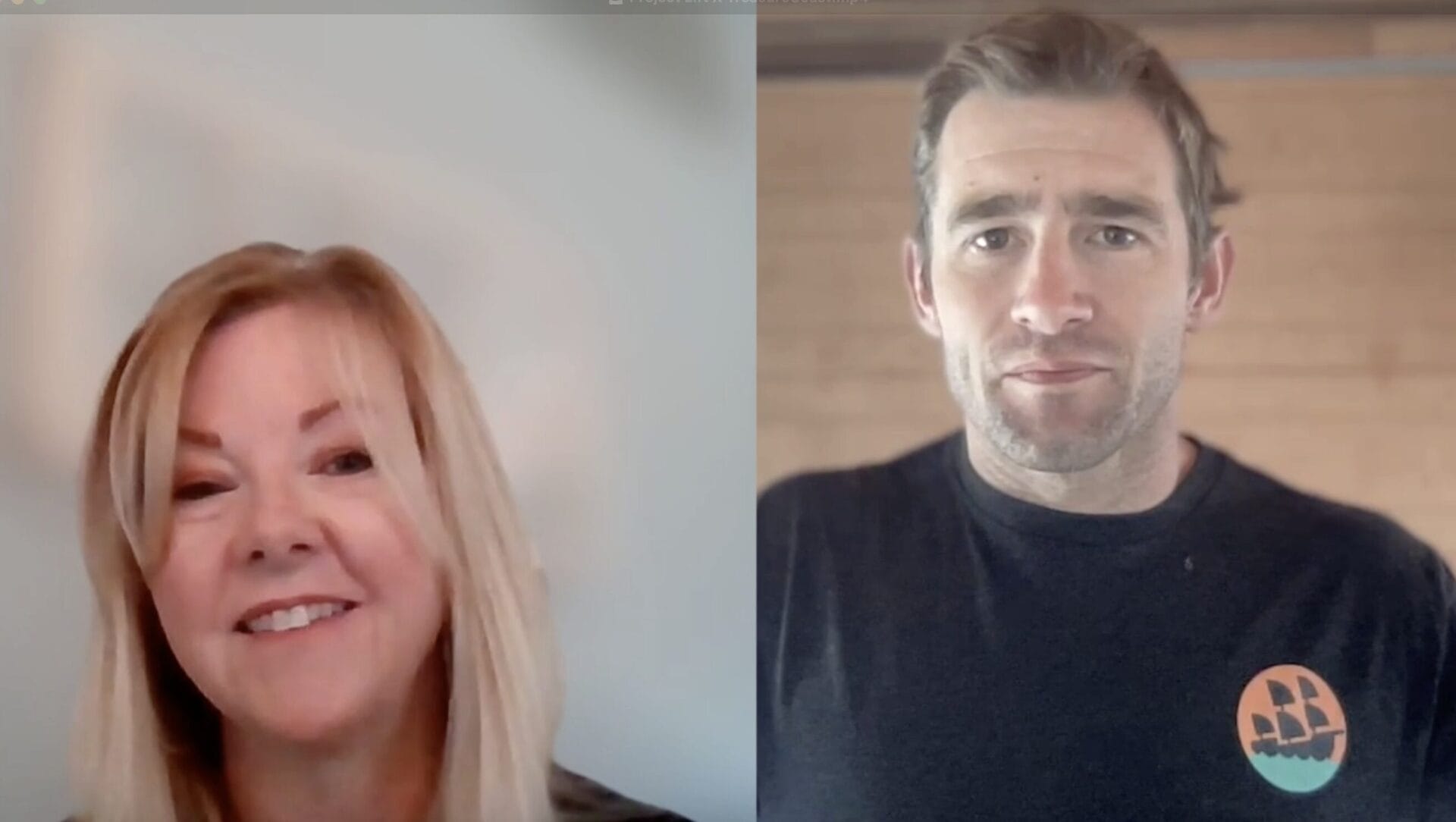
In this episode of The Current by treasurecoast.com, we talk with Lauren Adrian, Chief Impact Officer at Project LIFT, about how the organization is changing lives across the Treasure Coast. The conversation explores how Project LIFT combines hands-on trade education with mental health support to empower teens and young adults who are often overlooked by traditional systems.
Project LIFT is not a typical nonprofit. Based in Hobe Sound with programs across Martin, St. Lucie, and Palm Beach counties, the organization offers a unique combination of vocational training, clinical therapy, and life skills coaching. The model is simple but powerful: therapy delivered under the hood of a car, with real wages and real-world outcomes.



A Different Kind of Mental Health Program
At its core, Project LIFT is a licensed mental health and substance abuse treatment provider. What sets it apart is how treatment is delivered. Instead of relying on office-based sessions alone, Project LIFT places teens in real workshops and job sites, surrounded by licensed therapists and skilled trade mentors.
Students learn skills in welding, carpentry, automotive repair, electrical work, and more. These are in-demand trades that often lead to stable careers. But the tools are only part of the story. Every student receives an individualized treatment plan and works closely with a therapist throughout the program.
This combination of therapeutic care and vocational engagement helps students reconnect with a sense of dignity and purpose. According to Lauren, many of the teens arrive after being expelled from school, sent through the juvenile justice system, or referred by mental health courts. Project LIFT meets them where they are and shows them what is still possible.
View this post on Instagram
Career Rising and After-School Programs
Project LIFT runs two distinct shifts each day. The morning program, called Career Rising, serves young adults between the ages of 17 and 24. Some have already completed high school, while others can earn a fully accredited diploma through an on-site partnership.
These students rotate through vocational training, life skills classes, career readiness workshops, and therapy sessions. They also get paid $15 per hour while working in the trades. The result is a setting that feels more like a job than a treatment center, creating buy-in from students and reducing stigma around mental health support.
In the afternoon, Project LIFT buses in students from local high schools for an after-school program. These younger participants, usually between 14 and 18, are introduced to all of the trades. The focus is on foundational skills like tool safety, measuring, reading blueprints, and basic automotive repair.
Every student receives transportation if needed. This is key to reaching underserved areas, where access to reliable transportation often becomes a barrier to participation. Whether the student lives in a rural pocket of Martin County or an underserved neighborhood in Fort Pierce, the program makes sure they can get there.
A Dignity-First Approach
Lauren emphasizes that the work is about more than trades. It is about self-worth.
Students begin the program with little experience. Many do not know how to use basic tools or read a tape measure. By the time they complete a project like building a picnic table or welding custom art, they see firsthand what they are capable of. These small wins become turning points. In some cases, students help build full-size tiny homes used by other nonprofits to house families in need.
Project LIFT also removes phones from the equation. Students hand in their phones at the beginning of each day. At first, there is panic and anxiety. But within a few days, most students forget about them altogether. They become immersed in their work and begin reconnecting with themselves and each other.
Many students who enter the program with a history of behavioral or emotional struggles begin to thrive in this hands-on environment. Lauren notes that traits sometimes labeled as barriers—like ADHD or OCD—can become assets in the trades, where focus, repetition, and attention to detail are critical.
View this post on Instagram
Real Outcomes and Career Pathways
One of the most powerful stories Lauren shares is about a young woman who came to Project LIFT struggling with substance use and trauma. On her first day, she became fascinated with welding. She stuck with it, completed the program, earned her certification at RSK Welding School, and now builds custom boat towers as a full-time welder.
Stories like this are not uncommon. Students graduate from the program with hard skills, confidence, and connections to employers. Local businesses regularly partner with Project LIFT to mentor students and, in many cases, hire them.
The trades represented at Project LIFT are not going away. These are jobs that artificial intelligence and automation cannot easily replace. Welders, plumbers, electricians, and mechanics will continue to be in high demand. With many skilled professionals reaching retirement age, employers across the region are struggling to fill roles. Project LIFT helps fill that gap.
Opportunities for Volunteers and Employers
Project LIFT operates with a staff of vocational mentors, licensed therapists, and case managers. But volunteers play an important role too. The organization encourages local residents to mentor students for just one hour per week. These volunteer mentors can become the caring adult outside the family that research shows can make all the difference for a struggling teen.
Employers can also partner with Project LIFT to provide job-shadowing, internships, or direct hiring opportunities. Lauren stresses that these are not unmotivated kids. Many are eager to prove themselves, and with training already under their belt, they are ready to work.
For employers looking to support the program in other ways, financial contributions help cover the cost of equipment, training materials, staff wages, and student pay. The program is expensive to run, but the outcomes speak for themselves.
Community Events and Fundraisers
To help fund its programs, Project LIFT hosts several annual events:
-
Blue Collar Ball – A casual evening in Fort Pierce that welcomes everyone, whether you’re dressed in formalwear or just punched out from your jobsite.
-
Lumberjack Fest – A family-friendly event with lumberjack competitions, chicken wing contests, and other crowd favorites.
-
Project LIFT Clambake – The largest fundraiser of the year, featuring a seafood feast, hermit crab races, and a chance to visit the Hobe Sound campus.
View this post on Instagram
Each event helps raise awareness and support for the organization’s mission. Tickets and event details can be found at projectlift.org/events.
Employers, donors, and volunteers can also reach out through the website to learn more about partnership opportunities.
Closing Thoughts
Project LIFT is doing more than teaching job skills. It is helping teens and young adults find confidence, purpose, and stability at a time in life when they need it most. The program gives them real tools to build a better future, literally and figuratively.
This episode of The Current offers an unfiltered look at a grassroots solution that is quietly reshaping the future for hundreds of young people on Florida’s Treasure Coast. It is not just about filling jobs. It is about rebuilding lives.