Fishing the Fort Pierce Inlet means casting a line at one of Florida’s most productive coastal access points. Located on the Treasure Coast in St. Lucie County, the inlet connects the Atlantic Ocean to the Indian River Lagoon. It draws both beginner and experienced anglers year-round. Fish funnel through this natural passage with every tide, making it one of the most reliable shore-fishing spots in South Florida.
What Makes the Fort Pierce Inlet a Great Fishing Spot?
The Fort Pierce Inlet acts as a natural funnel. Bait moves in and out with the tide, and larger predator fish follow. The inlet features deep water, strong current, and large granite structure, all conditions that attract and hold fish.
Additionally, the inlet connects two major ecosystems: the open Atlantic and the protected Indian River Lagoon. This crossroads draws a wide variety of species throughout the year. Whether you fish from the jetty, the shore, or a kayak, you have access to some of Florida’s most sought-after inshore game fish.
The Fort Pierce Inlet is one of many productive inlets along Florida’s Atlantic shoreline. For a broader look at similar fishing destinations up and down the coast, see our guide to Florida’s east coast inlets.
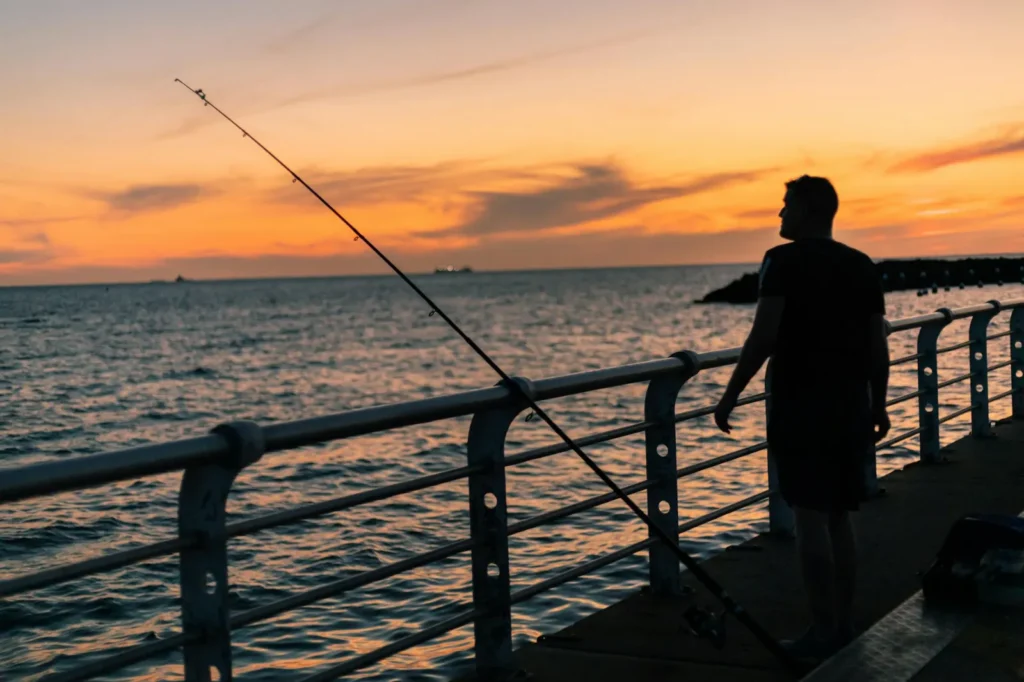
Fort Pierce Inlet State Park: Key Details for Anglers
Fort Pierce Inlet State Park provides the main public shore fishing access at the inlet. The park is managed by Florida State Parks and covers 340 acres on North Hutchinson Island. It is the starting point for most anglers visiting the inlet, so knowing the basics before you arrive saves time.
📍Address: 905 Shorewinds Drive, Fort Pierce, FL 34949
🕗 Hours: 8:00 AM to sunset, 365 days a year
🅿️ Parking: Available on site
♿ ADA Access: Yes; ADA-accessible facilities and beach wheelchair available (first-come, first-served, free of charge)
🚣 Kayak/Canoe Launch: Yes; access to Indian River Lagoon
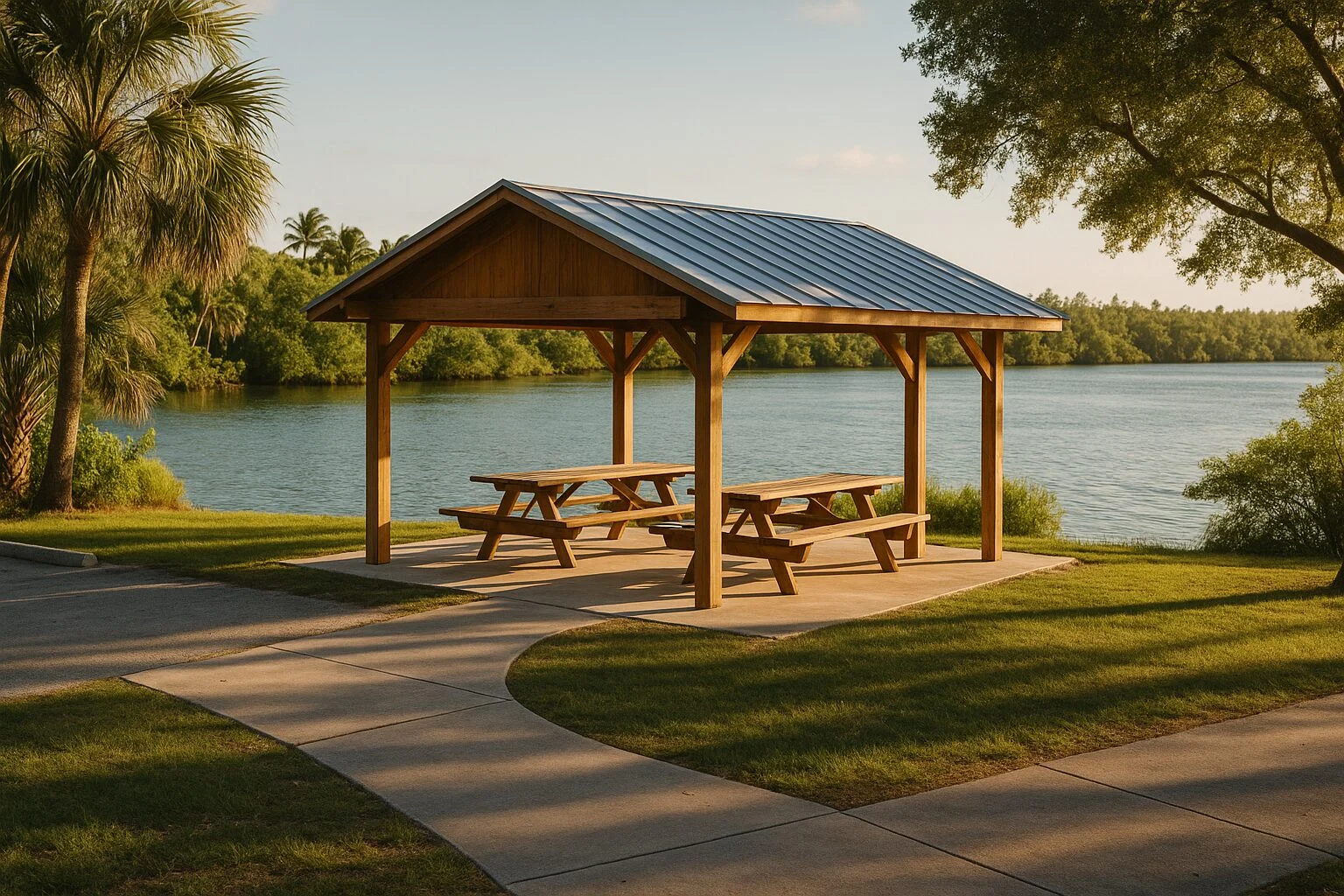
The park includes fish cleaning stations, restrooms, picnic pavilions, and shaded areas. Visit the official Florida State Parks page for current entry fees and alerts.
Fort Pierce Inlet Fishing: Species You Can Catch
The inlet and surrounding waters hold a wide range of fish species. Below is a breakdown of the most common catches and when to target them.

Snook
Snook are available at the Fort Pierce Inlet all year. However, summer is the peak season. In summer, snook leave the rivers and grass flats and move to inlets to spawn. This migration makes them especially easy to target from late June through August.
- Best months: June – August (spawning), September – November (post-spawn)
- Best depth: 15–20 feet near the bottom
- Best bait: Live finger mullet, live pinfish, or a flair hawk-style jig
- Best time: Night fishing near structure
Snook hold tight to structure. The inlet’s granite rock piles create current breaks — also called eddies — where snook wait for bait to drift past. Cast upcurrent and let your bait swing through these pockets. The larger female snook stay near the bottom. Smaller males often sit higher in the water column.
Note: Florida snook season typically reopens September 1 on the Atlantic coast. Always verify current regulations with the Florida Fish and Wildlife Conservation Commission (FWC).
Red Drum (Redfish)
Redfish are a year-round resident of the Fort Pierce area. They feed along the inlet edges, jetties, and grass flats inside the lagoon. Redfish are known for being aggressive feeders, especially during incoming tides.
- Best months: Year-round, with fall being especially productive
- Best bait: Cut mullet, live shrimp, or gold spoon lures
- Best spots: Jetty edges, inlet mouth, Wildcat Cove
Spotted Sea Trout
The grass flats near Fort Pierce hold large numbers of spotted sea trout. In fact, the Florida state record spotted sea trout — over 14 pounds — was caught in Fort Pierce. Trout are sensitive to tackle, so use monofilament line and light leaders to avoid pulling the hook.
- Best months: Fall through spring
- Best bait: Live shrimp under a popping cork, or soft plastic lures
- Best hook: 1/0 or 2/0 circle hook with 15 lb. or lighter leader
View this post on Instagram
Tarpon
Tarpon pass through the Fort Pierce Inlet seasonally. Summer is the primary tarpon season, though some fish are present in fall as well. Large tarpon roll and jump across the inlet mouth during strong outgoing tides. They feed actively on black mullet during the fall mullet migration.
- Best months: May – October
- Best lures: Large topwater popping plugs
- Best tides: Afternoon outgoing tides
Flounder
Flounder are ambush predators that use structure and sandy bottom near the inlet. They are most commonly caught near the jetty base and inside the inlet near the edges.
- Best months: October – January (fall migration)
- Best bait: Live finger mullet, mud minnow, or paddle-tail soft plastics on a jig head
Fort Pierce Inlet Fishing Report: Current Conditions
Before heading out, check the latest local fishing reports. Reports give you real-time information on what species are active, what baits are working, and current water conditions.
What Local Guides Are Reporting Right Now (March 2026)
Recent reports from Fort Pierce-area guides show sheepshead are the standout species this month. One Vero Beach guide landed what he described as the biggest sheepshead of his career — nearly 12 pounds — on nearshore structure. The sheepshead spawn has been active on nearshore trips, with permit and pompano also showing up in the mix.
A Fort Pierce guide reported that colder bottom water at 50+ feet has pushed fish toward the beach. Inshore activity has been slower due to cool water temps, with river temperatures sitting around 65°F. However, a few snook have resumed feeding as water temperatures rise. The general expectation is that inshore action will improve steadily as spring water temps rise through March and April.
For offshore and nearshore action, recent reports from earlier this season noted strong bites on mangrove snapper inshore, with mahi-mahi, wahoo, blackfin tuna, kingfish, and sailfish all active offshore during weather breaks.
Note: Check Fort Pierce Inlet Fishing Reports at Captain Experiences for complete reports submitted by local guides and updated regularly throughout the month.
More Fort Pierce Fishing Spots (Shore and Jetty Access)
Fort Pierce Inlet State Park – South End
The south end of Fort Pierce Inlet State Park is one of the most productive shore fishing locations on the Treasure Coast. Anglers fish directly along the inlet from the rock shoreline and jetty. Deep water and granite structure hold snook, tarpon, and redfish.
The North and South Jetties
The jetties extend into the Atlantic and frame the inlet mouth. Both sides offer deep water access and hold snook year-round. Tarpon, mackerel, and sharks are also common. The south jetty is accessible from the state park. The north jetty is accessed from Pepper Park Beach.
Wildcat Cove (Inside the State Park)
Wildcat Cove sits inside the state park along the Indian River side. It offers a sheltered area with access to calmer waters. Redfish, trout, and flounder are common here. It is ideal for kayak anglers.
Pepper Park Beach (North Side)
Located on the north side of the inlet, Pepper Park provides access to nearshore reefs that can be fished from the beach on foot. Tarpon and mackerel are common here. The park has clearly designated fishing areas, making it beginner-friendly.
Bear Point Sanctuary Fishing Pier
Bear Point Sanctuary extends approximately 100 feet into the water and attracts sheepshead, snapper, mackerel, and jack crevalle. It also provides kayak launch access into the Indian River Lagoon system.
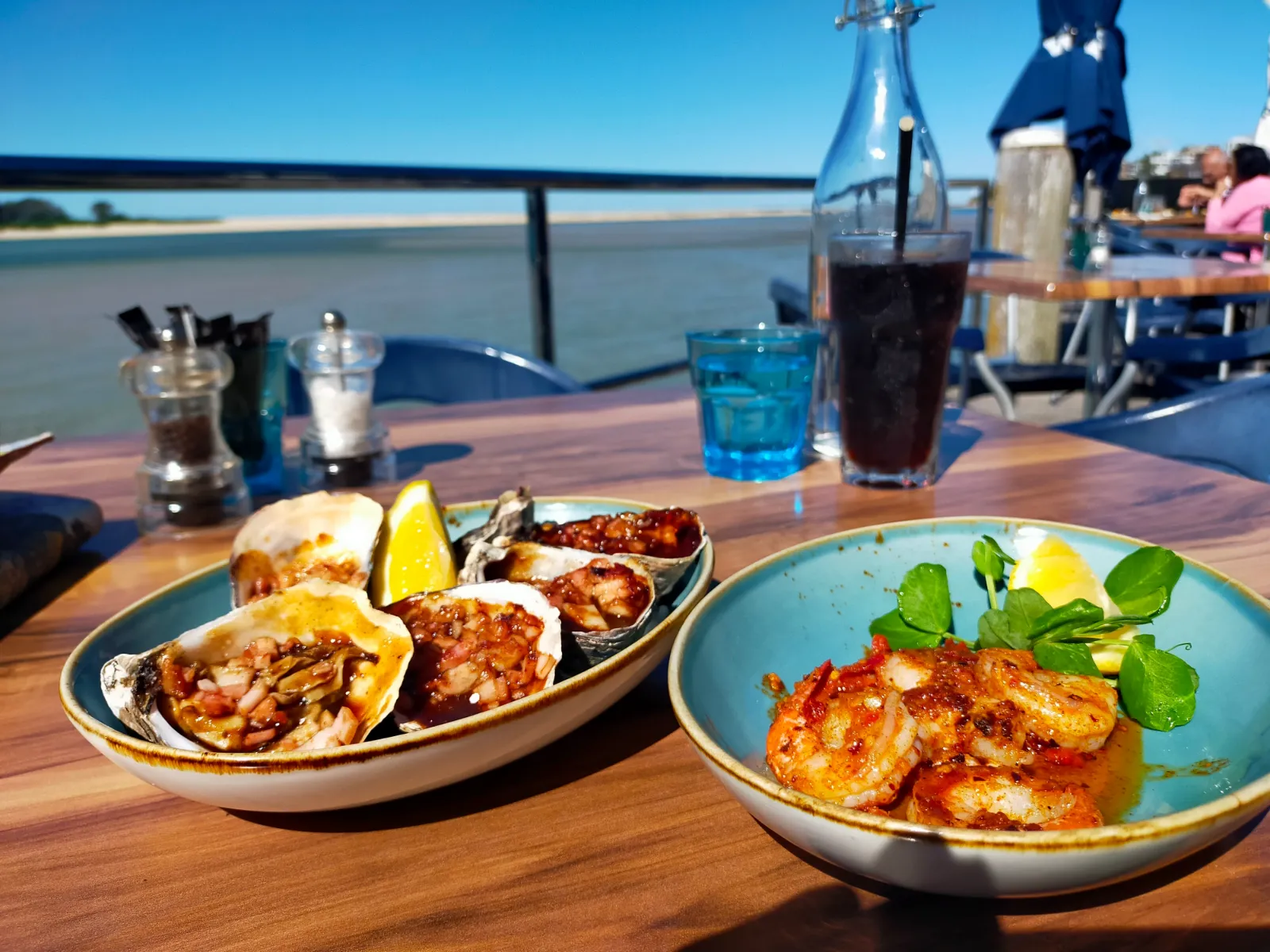
After a morning on the water, Fort Pierce has plenty of options nearby to grab a meal. Check out the best Fort Pierce Inlet restaurants to visit before you head out for the day.
Fort Pierce Inlet Fishing Tips: Tackle, Rigs, and Techniques
Use the Jupiter Rig for Inlet Fishing
The Jupiter Rig is one of the best setups for fishing the Fort Pierce Inlet. It uses a hook with a sinker placed between two barrel swivels. The swivels prevent the sinker from sliding down to the hook or riding too high on the line. This rig is especially effective with live bait in deep, fast-moving water.
How to set it up:
- Tie a barrel swivel to your main line
- Attach 12–18 inches of leader from the swivel
- Tie a second barrel swivel to the end of the leader
- Attach a short dropper loop with a 1–2 oz sinker above the second swivel
- Tie your hook below the second swivel on a 6–12 inch leader
Flair Hawk Jig for Snook and Tarpon
The flair hawk-style jig is one of the most effective lures for the Fort Pierce Inlet. It works especially well at night when snook are actively feeding near structure. Cast upcurrent and slowly bounce or swim the jig back along the bottom.
Live Bait Setups
- Use finger mullet or pinfish for snook and redfish
- Use live shrimp for trout, redfish, and snapper
- Add 1–2 oz of weight above your bait to get down to depth in the current
- Use circle hooks (1/0 to 3/0) for better hooksets and fish-friendly releases
Fishing the Tides
Tidal movement is one of the most important factors at the Fort Pierce Inlet. Strong tidal flow activates predators and pushes bait through the inlet.
- Incoming tide: Pushes bait into the lagoon; snook and redfish stack at the inlet mouth
- Outgoing tide: Sweeps bait out toward the Atlantic; tarpon and sharks feed heavily
- Tip: Fish the last two hours of an outgoing tide and the first two hours of incoming for peak activity
Best Time of Day
Early morning and late afternoon are generally the most productive times. Night fishing at the inlet is excellent for snook in summer. Artificial lights and dock lights attract bait, which then attracts snook and other predators.
Fort Pierce Inlet Fishing Regulations and Licenses
All anglers must follow Florida fishing regulations. The rules cover size limits, bag limits, seasons, and legal methods of capture.
Who Needs a Florida Fishing License?
- Any angler age 16 or older needs a valid Florida saltwater fishing license
- Non-residents of Florida must purchase a Florida license to fish from shore
- Fishing aboard a licensed charter captain’s vessel is generally covered by the captain’s license
- Licenses can be purchased at GoOutdoorsFlorida.com or at local tackle and retail stores
Snook Permit
Snook require a separate snook permit in addition to the standard saltwater license. Check the FWC Snook page for current season dates, size limits, and bag limits before fishing.
Size and Bag Limits
Florida enforces strict size and bag limits on popular species. These regulations are subject to change. Always verify current rules before fishing.
- Check regulations at the Florida FWC Saltwater Fishing Regulations page
- Inside Fort Pierce Inlet State Park, all fishing must conform to park rules regarding size, number, and method of capture
FAQs: Fort Pierce Inlet Fishing
What fish can you catch at the Fort Pierce Inlet?
Common catches include snook, redfish, spotted sea trout, flounder, tarpon, bluefish, sharks, sheepshead, pompano, jack crevalle, and snapper. Offshore species like mahi-mahi, sailfish, and kingfish are accessible through nearby boat ramps.
Do I need a fishing license to fish the Fort Pierce Inlet?
Yes. Any angler age 16 or older needs a valid Florida saltwater fishing license. Non-residents must purchase a Florida license to fish from shore. Snook also require a separate snook permit. Licenses are available at GoOutdoorsFlorida.com.
What is the best time of year to fish the Fort Pierce Inlet?
Snook fishing peaks in summer (June–August) during spawning. Redfish and trout are best in fall. Tarpon peak in spring and early summer. The inlet produces fish year-round, with different target species in each season.
How deep should I fish at the Fort Pierce Inlet?
Get your bait down at least 15–20 feet. The current is strong, so use 1–2 oz of weight to maintain bottom contact. Larger female snook stay near the bottom, while smaller males often hold higher in the water column.
Can I fish at Fort Pierce Inlet State Park for free?
A park entry fee is charged at Fort Pierce Inlet State Park. However, fishing access is included with entry. A Florida fishing license is still required for anglers 16 and older.