Bioluminescent kayaking is nighttime paddling through waters containing light-producing microorganisms called dinoflagellates that glow blue-green when disturbed by movement, creating a natural light show visible from June through October in Florida’s Indian River Lagoon and other coastal areas.
What Is Bioluminescent Kayaking?
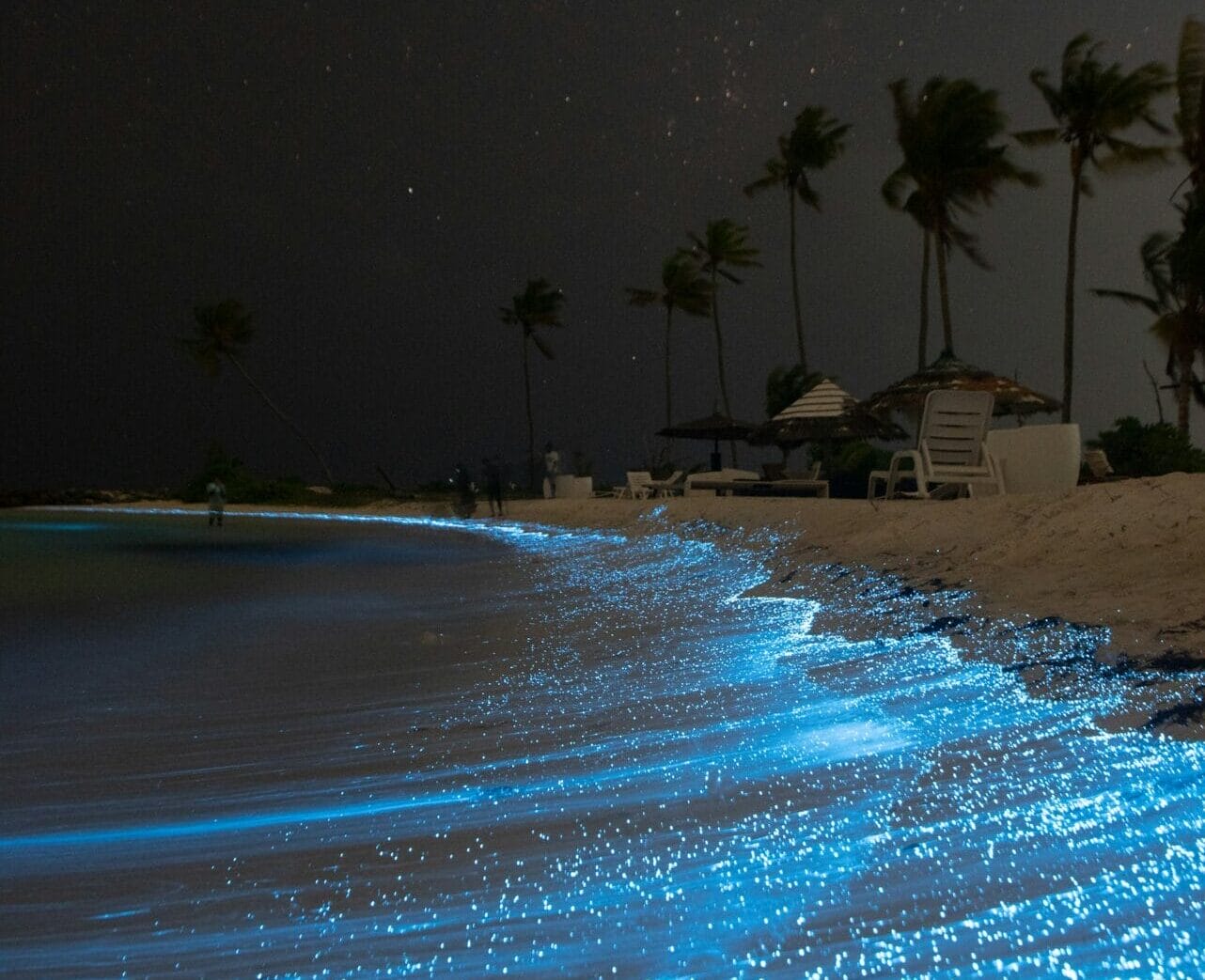
Bioluminescent kayaking is the activity of paddling through water that contains bioluminescent organisms. These organisms produce light through chemical reactions in their bodies. When a kayak paddle or fish moves through the water, it disturbs the organisms and triggers them to glow. The result looks like blue-green sparkles or trails of light in the dark water.
The phenomenon occurs naturally in specific bodies of water. Florida’s Indian River Lagoon system hosts one of the brightest and most reliable bioluminescent displays in the United States. The lagoon stretches along Florida’s east coast and includes areas near the Treasure Coast counties of Martin, St. Lucie, and Indian River.
When to See Bioluminescence in Florida
Peak Season: June Through October
The brightest bioluminescent displays occur during summer and early fall months. Peak season typically runs from June through October, with July and August offering the most consistent and vivid shows.
Several factors contribute to optimal viewing conditions during these months. Warmer water temperatures encourage dinoflagellate reproduction. Longer days provide more sunlight for these photosynthetic organisms. Calm summer evenings create still water that makes the glow more visible.
Moon Phases and Timing
New moon periods produce the darkest skies and best viewing conditions. The week before and after a new moon offers ideal darkness. Full moon nights still show bioluminescence, but the bright moonlight makes the glow harder to see.
Tours typically launch between sunset and late evening. Most operators schedule trips to begin after full darkness sets in. The exact start time varies by season and moon phase.
Weather Considerations
Clear, calm nights provide the best experience. Wind creates waves that make the glow harder to spot. Rain doesn’t stop bioluminescence, but storms and lightning make kayaking unsafe. Cloud cover actually helps by blocking ambient light pollution.
Where to Go Bioluminescent Kayaking on the Treasure Coast
Indian River Lagoon System
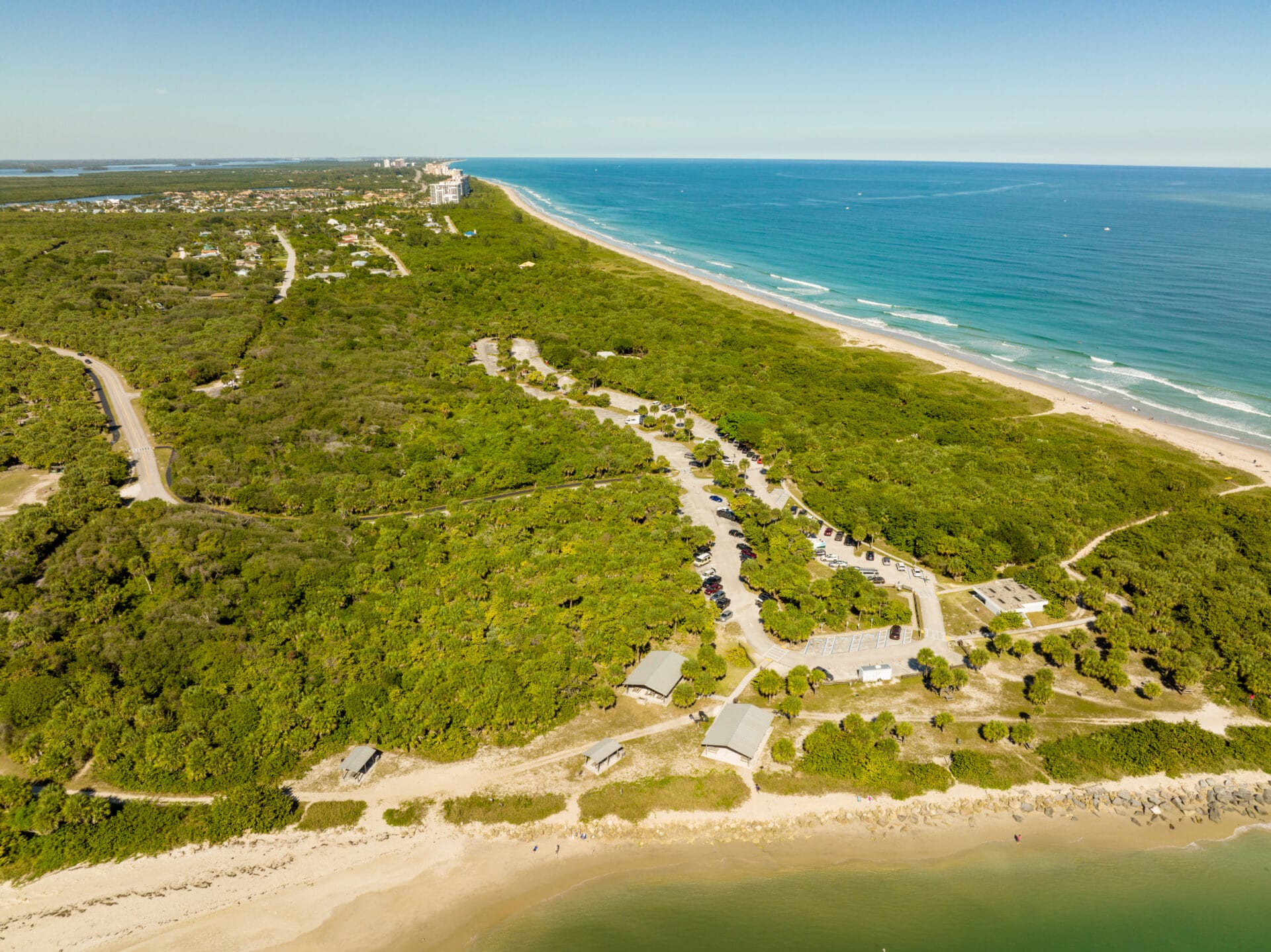
The Indian River Lagoon provides the primary location for bioluminescent kayaking in the Treasure Coast region. This 156-mile estuary system runs along Florida’s east coast through Brevard, Indian River, St. Lucie, and Martin counties.
Launch sites exist throughout the lagoon system. Common departure points include areas near Vero Beach in Indian River County, Fort Pierce in St. Lucie County, and Stuart in Martin County. The specific launch location could be at local boat ramps, but it often depends on current conditions and dinoflagellate concentrations.
View this post on Instagram
Mosquito Lagoon and Banana River
North of the Treasure Coast, Mosquito Lagoon near Titusville and the Banana River near Cocoa Beach offer additional bioluminescent kayaking locations. These areas sit within the Indian River Lagoon system in Brevard County. Many consider Mosquito Lagoon to produce Florida’s brightest bioluminescent displays.
The distance from Treasure Coast communities to these northern locations ranges from 60 to 90 miles. Drive time typically runs 75 to 90 minutes from Jensen Beach or Stuart.
What Causes the Glowing Water
Dinoflagellates: The Glowing Organisms
Single-celled organisms called dinoflagellates create the bioluminescent effect. The specific species responsible in Florida waters is Pyrodinium bahamense. These microscopic plankton measure only about 0.02 inches in diameter.
Dinoflagellates produce light through a chemical reaction. When disturbed by movement, they release a chemical called luciferin. This chemical reacts with oxygen and an enzyme called luciferase. The reaction produces a blue-green flash of light lasting only a fraction of a second.
Why Dinoflagellates Glow
Scientists believe dinoflagellates evolved bioluminescence as a defense mechanism. The sudden flash of light may startle small predators. The glow might also attract larger predators that eat the creatures trying to consume dinoflagellates.
The organisms need specific conditions to thrive and reproduce in large numbers. Warm water temperatures between 75 and 85 degrees Fahrenheit support growth. Brackish water with a mix of fresh and salt water provides ideal salinity. Nutrients from runoff and decomposing organic matter feed the population.
What to Expect During a Bioluminescent Kayak Tour
The Visual Experience
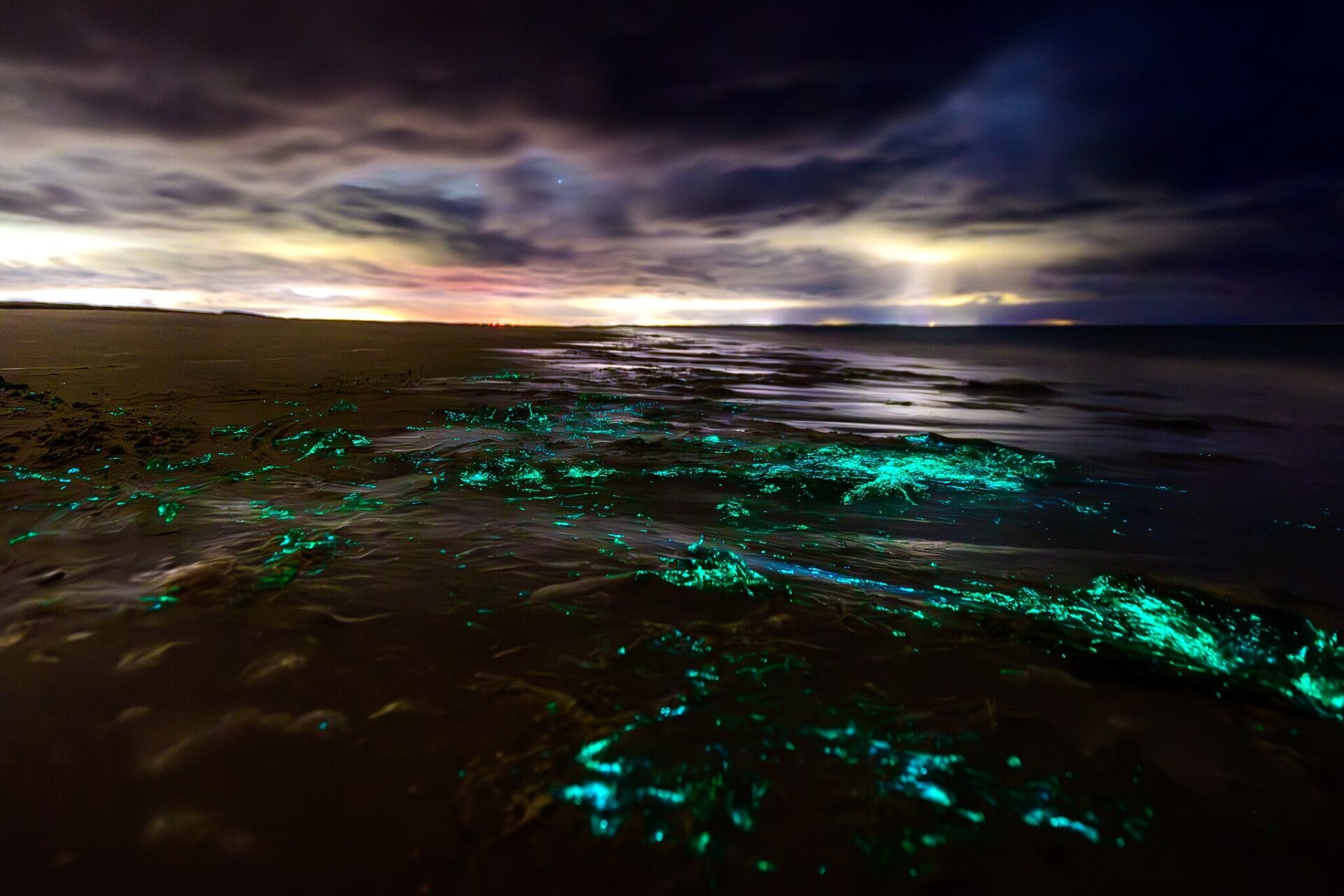
Every paddle stroke creates a trail of blue-green light in the water. Fish swimming beneath the kayak leave glowing streaks as they move. Jellyfish pulse with light as they drift past. Splashing water produces bursts of sparkles.
The intensity varies based on dinoflagellate concentration. On peak nights, the water glows bright enough to illuminate your paddle and hands. Less optimal conditions produce subtler, scattered sparkles. The effect appears most dramatic in complete darkness away from artificial lights.
Duration and Distance
Most guided tours last two to two and a half hours. The actual paddling portion typically runs 60 to 90 minutes. Groups cover distances ranging from one to three miles, depending on water conditions and participant ability.
Tours move at a leisurely pace. Guides stop frequently to allow time for observation and photography. The focus remains on experiencing the bioluminescence rather than intense physical activity.
What to Bring
Participants should wear clothes they don’t mind getting wet. Quick-dry athletic wear works well. Water shoes or closed-toe sandals protect feet better than flip-flops. Many people bring a waterproof phone case for photos.
Bug spray provides essential protection during the summer months. Mosquitoes and no-see-ums inhabit coastal areas. Spray exposed skin before launching. A small waterproof bag can protect personal items.
Water bottles help prevent dehydration during summer tours. Most tour operators provide them, but bringing your own ensures availability. Avoid bringing valuables that could fall in the water.
View this post on Instagram
Kayaking Experience Requirements
Skill Level Needed
Bioluminescent kayaking tours accommodate beginners. No previous kayaking experience is necessary. Guides provide basic instruction on paddling technique, steering, and safety before launching.
The calm, protected waters of the Indian River Lagoon create ideal conditions for first-time kayakers. Current typically remains minimal. Waves stay small in the sheltered estuary.
Physical Considerations
Participants should be able to sit in a kayak for up to two hours. Getting in and out of a kayak requires moderate flexibility and balance. Some upper-body strength helps with paddling, but the slow pace makes it accessible to most fitness levels.
Weight limits vary by kayak type and tour operator. Tandem kayaks accommodate higher weight capacities than single kayaks. Contact tour operators directly for specific weight restrictions.
Age Requirements
Minimum age requirements vary by tour operator. Many companies allow children as young as five or six years old. Young children often ride in tandem kayaks with an adult. Some operators set higher age minimums of eight to twelve years old.
Choosing a Tour Operator vs. Self-Guided Trips
Guided Tours
Professional tour operators provide kayaks, paddles, life jackets, and safety equipment. Guides know where dinoflagellates are currently concentrated. They understand tide schedules, weather patterns, and safe navigation routes.
Guides also share educational information about the ecosystem, wildlife, and bioluminescence science. Tours typically include safety briefings and basic kayaking instruction. Transportation of equipment and launch logistics are handled by the company.
Self-Guided Considerations
Experienced kayakers can visit bioluminescent areas independently. This requires owning or renting kayaking equipment. Launch site selection becomes crucial, as dinoflagellate concentrations shift throughout the season.
Self-guided paddlers must understand marine navigation, tidal patterns, and local regulations. The Indian River Lagoon includes boat channels, shallow areas, and wildlife zones with specific rules. Proper lighting equipment is legally required for nighttime water activities.
Safety equipment, including life jackets, lights, and communication devices are mandatory. Knowledge of weather forecasts and emergency procedures is essential. First-time bioluminescent kayakers generally benefit more from guided tours.
Best Practices and Environmental Considerations
Protecting the Ecosystem
The Indian River Lagoon faces environmental challenges, including algae blooms, seagrass loss, and pollution. Kayakers can minimize their impact by following Leave No Trace principles. This means taking all trash and belongings when leaving.
Avoid disturbing wildlife. Manatees, dolphins, and sea turtles inhabit lagoon waters. Federal and state laws protect these species. Maintain a safe distance and never chase or attempt to touch wildlife.
Use reef-safe, biodegradable sunscreen and bug spray. Chemical ingredients in traditional sunscreens harm marine life. Apply these products before arriving at launch sites to prevent direct application over water.
Photography Tips
Capturing bioluminescence on camera requires specific techniques. Phone cameras generally struggle with low-light conditions. Long exposure settings on DSLR or mirrorless cameras produce better results.
Set exposure times between 15 and 30 seconds. Use the highest ISO setting your camera allows without excessive noise. Open the aperture as wide as possible. A tripod mounted to the kayak helps reduce camera shake.
GoPro cameras with night settings can capture video of bioluminescence. Lower your expectations for brightness in photos. The glow appears dimmer in photos than to the human eye.
Other Marine Life You May Encounter
Dolphins
Bottlenose dolphins frequently hunt in the Indian River Lagoon at night. Their movements through bioluminescent water create spectacular glowing trails. Dolphins sometimes swim alongside kayaks, leaving bright blue outlines as they surface.
Manatees
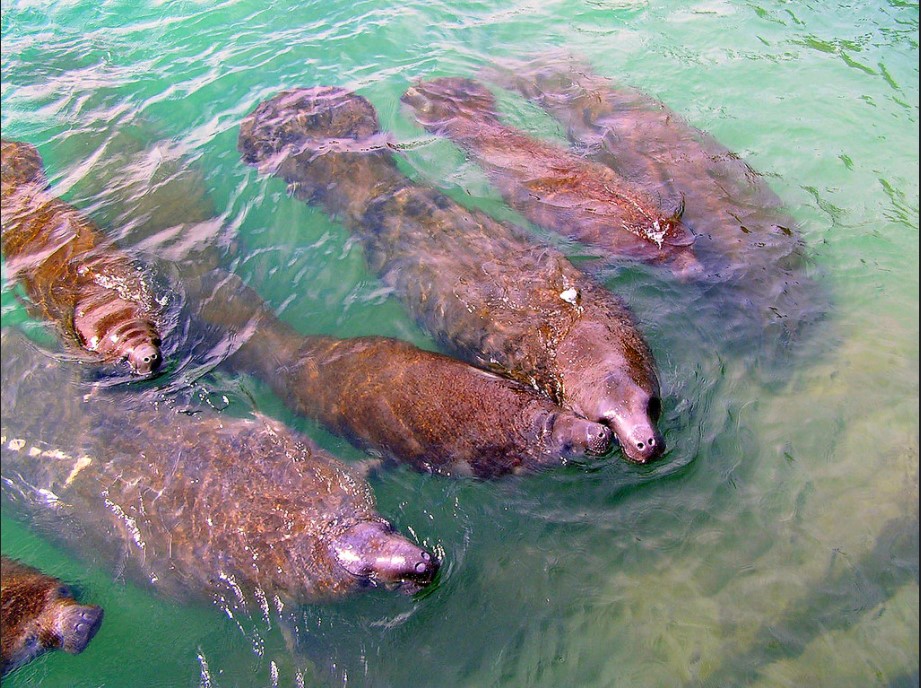
West Indian manatees inhabit the lagoon year-round. These gentle herbivores sometimes surface near kayaks for breath. Their large bodies push through dinoflagellates, creating distinct glowing shapes underwater.
Fish and Rays
Mullet, snook, tarpon, and other fish species feed at night in the lagoon. Cownose rays and southern stingrays glide along the bottom. All these creatures light up the water as they move, making their presence visible even in darkness.
Frequently Asked Questions
What is the best month to see bioluminescence in Florida? July and August typically offer the brightest and most consistent bioluminescent displays in Florida waters, though the phenomenon occurs from June through October with peak conditions varying by specific water temperatures and dinoflagellate populations.
Can you see bioluminescence without a kayak? Yes, bioluminescence is visible from docks, shorelines, and beaches where dinoflagellates are present, though kayaking provides closer access to areas with higher concentrations and allows you to create the movement that triggers the best glowing effects.
Is bioluminescent kayaking safe? Bioluminescent kayaking is generally safe when conducted in calm, protected waters with proper safety equipment, including life jackets and lights, though participants should follow guide instructions, check weather conditions, and avoid going out during storms or strong winds.
How bright is the bioluminescence? Bioluminescence brightness varies from subtle sparkles to intensely glowing trails depending on dinoflagellate concentration, with peak nights producing light bright enough to see your paddle and hands illuminated by the blue-green glow, while less optimal conditions show scattered flashes.
Do you need to book bioluminescent kayak tours in advance? Yes, advance booking is recommended especially during peak season from June through August and around new moon dates, as tour operators have limited spaces and popular time slots fill weeks quickly ahead.
What temperature is the water during the bioluminescent season? Water temperatures during the bioluminescent season typically range from 75 to 85 degrees Fahrenheit, which feels warm and comfortable, though kayakers may get wet from paddle drip and splashes during the tour.
Can you swim in bioluminescent water? Swimming in bioluminescent water is possible and creates dramatic glowing effects, though many tour operators do not include swimming due to safety concerns, nighttime visibility limitations, and the need to maintain group cohesion during guided tours.
Research Notes
- Pyrodinium bahamense is the primary dinoflagellate species responsible for bioluminescence in Florida’s Indian River Lagoon system (verified through marine biology research)
- Indian River Lagoon spans 156 miles through multiple Florida counties, including the Treasure Coast region
- Peak bioluminescent season runs from June through October, with July-August producingthe brightest displays based on water temperature and dinoflagellate reproduction cycles
- Optimal water temperature range for dinoflagellate growth: 75-85°F
- New moon periods provide darkest viewing conditions; tours typically schedule around lunar calendar
- Mosquito Lagoon in Brevard County is frequently cited as having Florida’s brightest bioluminescent displays
- Dinoflagellate size: approximately 0.02 inches (microscopic)
- Chemical process involves luciferin, luciferase enzyme, and oxygen, creating light through a bioluminescent reaction
- Tour duration typically 2-2.5 hours with 1-3 miles of paddling distance
- Bottlenose dolphins, West Indian manatees, and various fish species inhabit the Indian River Lagoon and may be encountered during tours
- No specific tour operator names, pricing, or promotional details were included to maintain neutral, reference-guide tone