- Who: Indian River County Planning & Zoning Commission and the Citrus Ridge developer
- What: Unanimous approval of the site plan and preliminary plat for 191 homes
- Where: 52 acres near 98th Avenue and 16th Street, west of Vero Beach
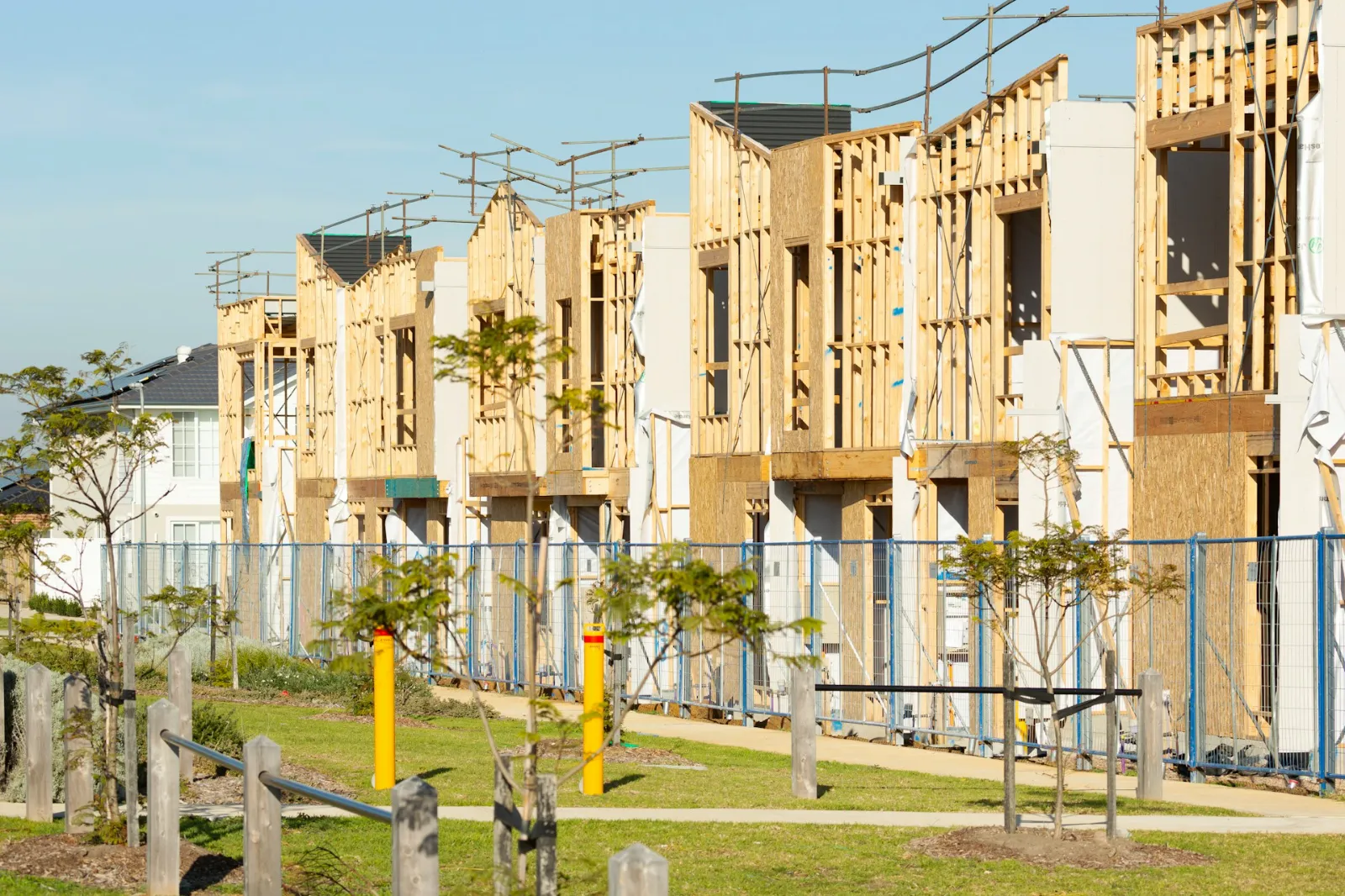
The Indian River County Planning & Zoning Commission voted unanimously Nov. 12 to approve the major site plan and preliminary plat for Citrus Ridge, a 191-unit community of townhomes and single-family houses planned on 52 acres in Indian River County. The board’s one real debate was whether stormwater ponds in new neighborhoods should be fenced.
What Citrus Ridge Would Bring to the 98th Avenue Corridor
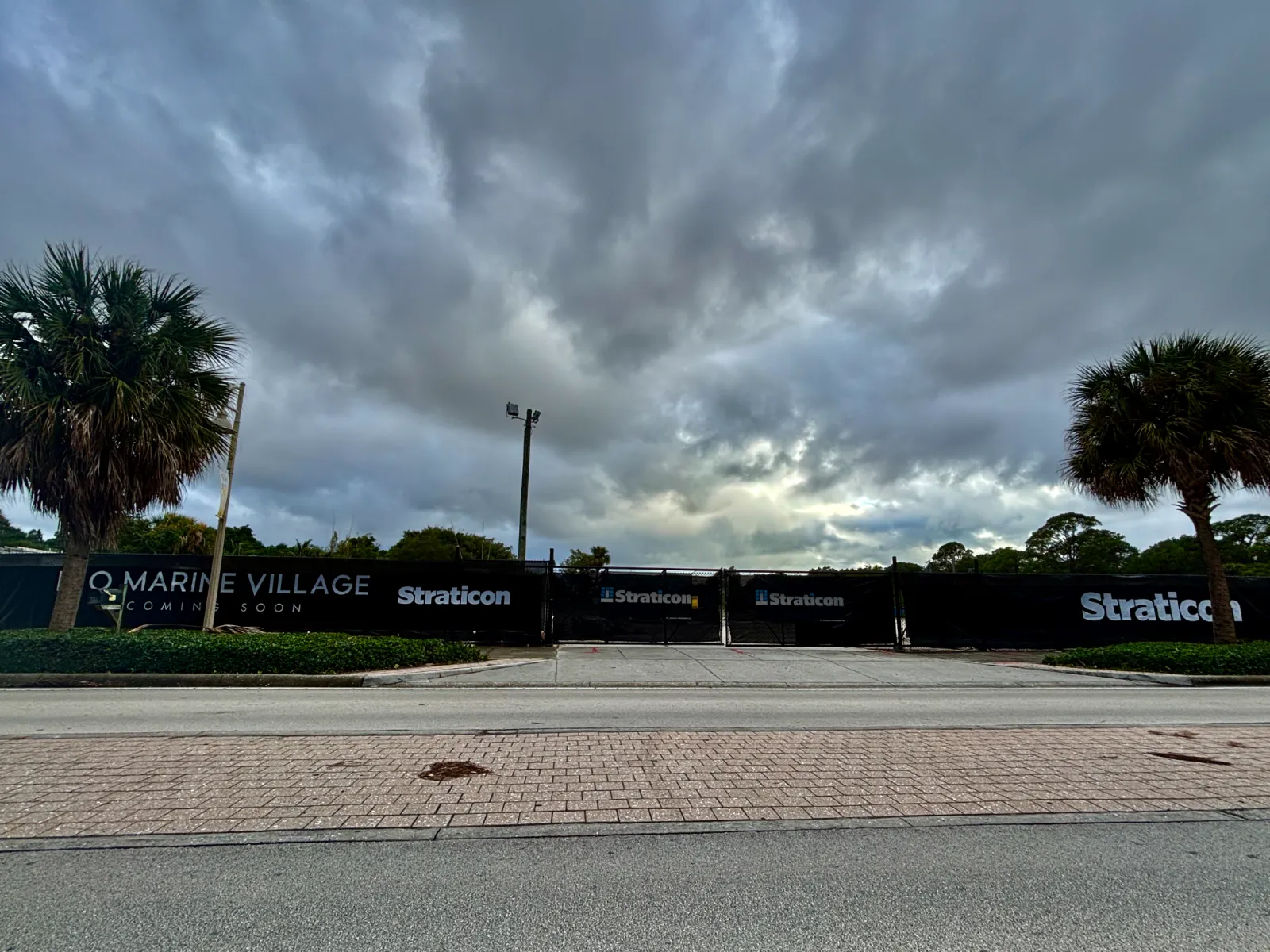
The site sits east of 98th Avenue, south of 16th Street and north of 12th Street, in the western part of the county outside Vero Beach. Commission Chairman Jonathan Day said the property is zoned for multifamily housing at up to six units per acre. Its land use designation allows up to eight units per acre. Citrus Ridge would come in at 3.69 units per acre.
The project combines a plat and a site plan in one approval, two land-planning steps that are usually handled separately. County records show the commission also reviewed a request in May 2023 to rezone about 51.78 acres at the same location to a multifamily district.
Assistant Planning & Development Services Director Ryan Sweeney presented the staff report. The main entrance would be on 12th Street at the south end of the project, with a second access for emergencies that also connects to 12th Street. The only traffic improvement required of the developer is an eastbound left-turn lane at the entrance.
Sweeney also pointed to road work already required of other approved projects nearby. That includes upgrades at State Road 60 and 98th Avenue and a turn lane at 12th Street and 90th Avenue. The Venetian Grove development to the south is building those improvements now. If Venetian Grove stalls, the Harmony Houses project would be obligated to build them.
Staff recommended approval. The plans include stormwater and landscaping, sidewalks inside and outside the community, street lighting, common green space and a recreation area. Approval comes with conditions for final landscape plans, lighting, tree protection and mitigation, buffers and common-area sidewalks.
Flooding and Pond Safety Drew the Questions
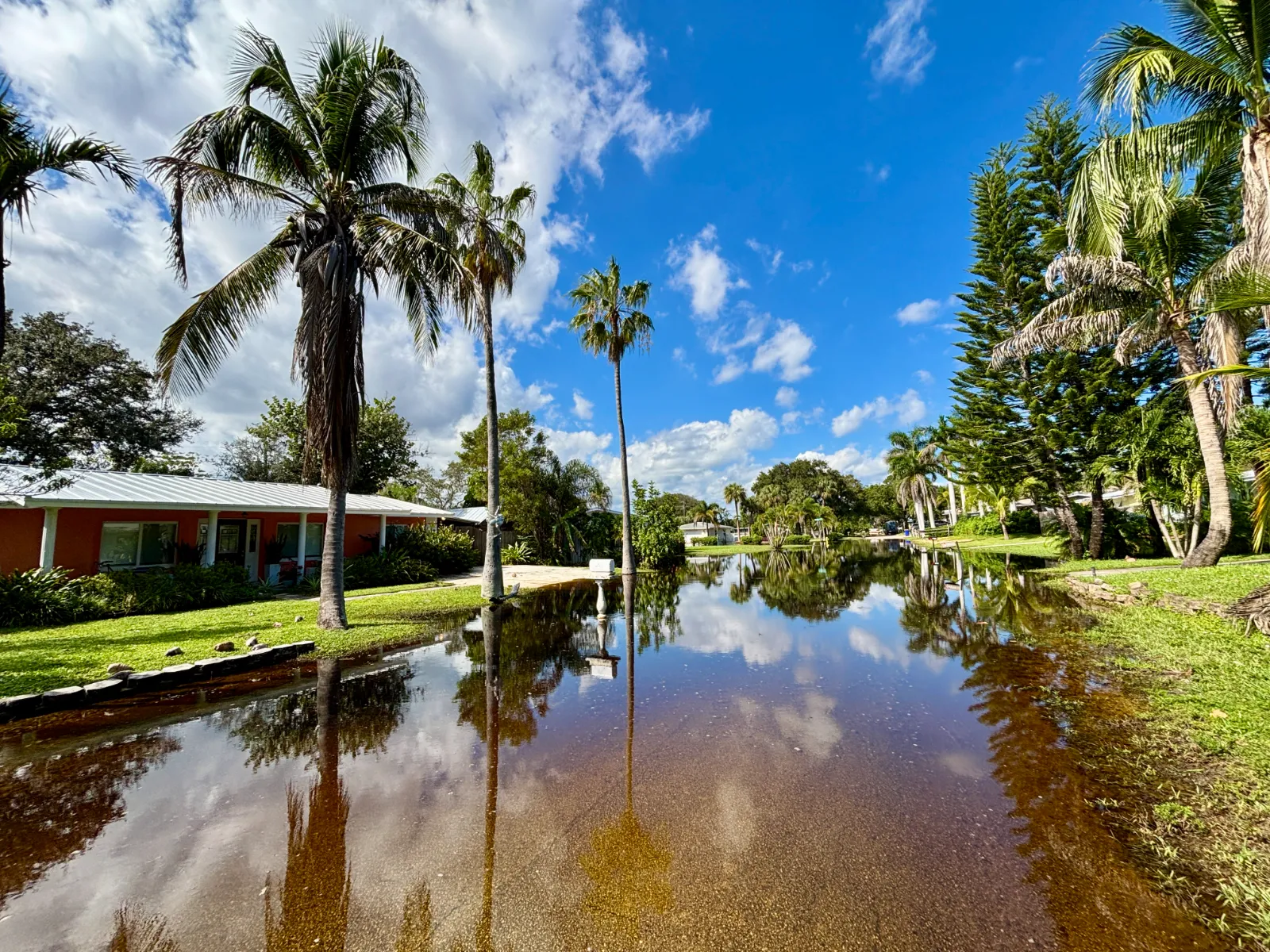
Vice Chairman Thomas Lowther asked whether new projects could handle a storm like the heavy rain that hit the region in early November. Sweeney said he is not a stormwater engineer, but he described that event as roughly a 1,000-year storm. County permit standards are generally built around a 500-year event, he said, which should perform better than older subdivisions not designed for those rules.
School Board liaison and alternate commissioner Teri Barenborg then raised the issue that dominated the rest of the discussion. She asked whether the stormwater ponds would be fenced, noting that children, including those with autism, can be drawn to water. County code requires landscaping around the ponds but no fencing.
Sweeney said the commission could not impose a condition the code does not require. Land planner Dan Sorrow, who represents the developer, said the ponds would be landscaped and maintained without fences. He said the community is set up so a future homeowners association could add fencing or gates. District 3 County Commissioner Calvin Reams urged the developer to reconsider, while Lowther and Commissioner Robert Votaw said fences around ponds are unattractive and that the question was beyond what the panel could decide.
What Happens Next
Sweeney told the panel he would schedule a future discussion item on whether to amend the county code on pond fencing. Barenborg noted that the County Commission had already declined to uphold a similar recommendation she made on a planned fire station. Any change to the code would need to go through the county’s formal process, and it would not apply retroactively to projects approved under the current rules.