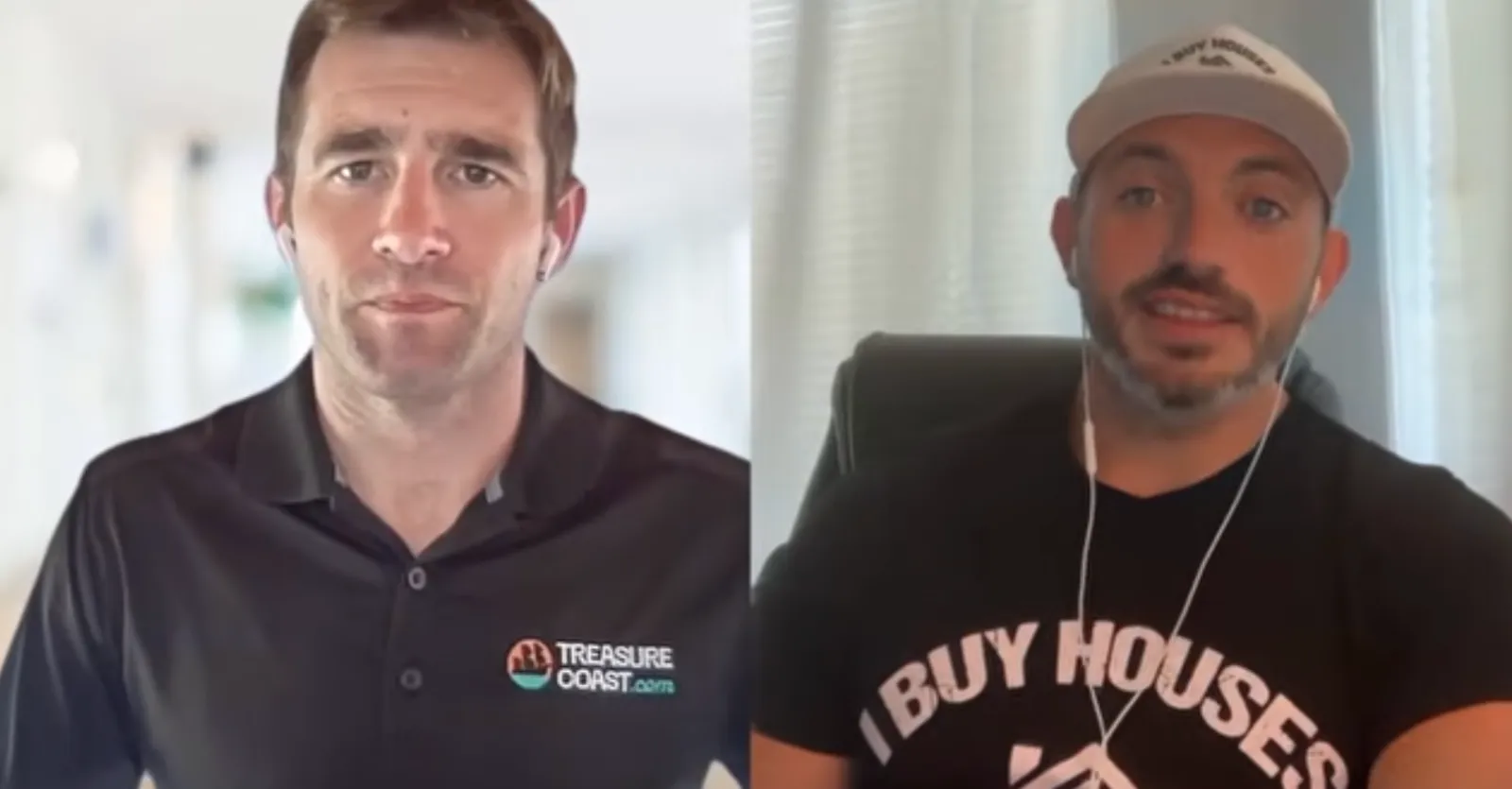
The waterways on the Treasure Coast are the foundation of its identity, ecologically, economically, and culturally. But behind the iconic postcards and beachfront slogans lies a long-standing crisis that extends beyond algae blooms and fish kills. On this episode of The Current by treasurecoast.com, we sat down with Gil Smart, Executive Director of VoteWater, to take a clear-eyed look at how political decision-making drives Florida’s water quality, and what residents can do about it.
From Journalist to Advocate
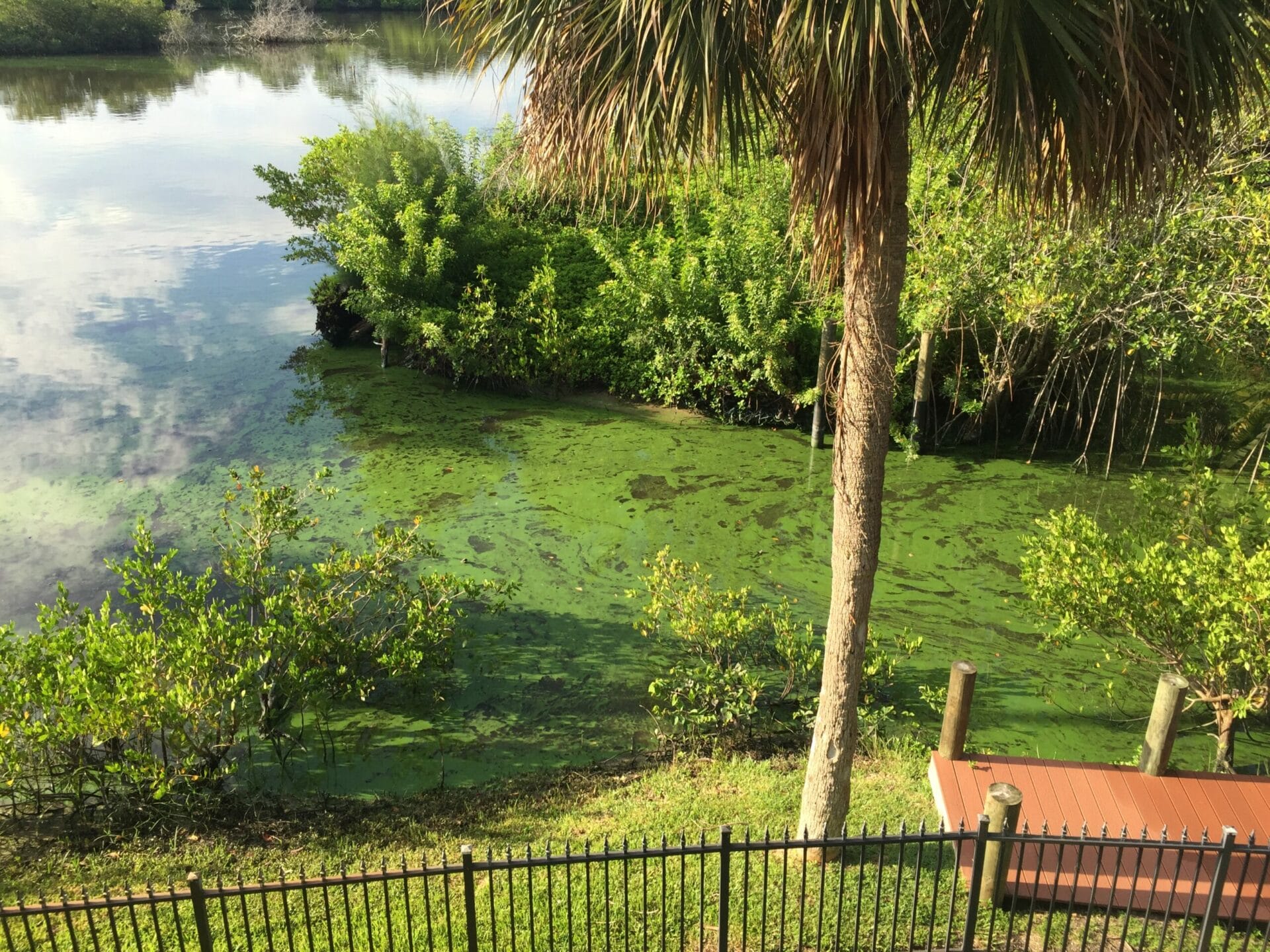
Gil Smart didn’t begin his Florida journey as an activist. A career journalist from Pennsylvania, he moved to the Treasure Coast in 2015 to write for Treasure Coast Newspapers. However, just a year later, the region was struck by a massive blue-green algae bloom. The 2016 crisis became a personal wake-up call. What was supposed to be paradise had turned toxic.
“You move here to be near the water,” Gil said, “but I couldn’t even let my kids swim in it.” He recalled lifeguards warning families off the beach, discolored plumes from Lake Okeechobee making their way south, and the resulting economic collapse for coastal businesses. The experience sparked deeper questions: How did this happen? Who allowed this?
The answers pointed him directly into the heart of Florida politics.

Toxic Algae in Lake Okeechobee | Aug 3, 2017



Clean Water Starts With Clean Politics
VoteWater, a 501(c)(4) nonprofit based in Sewall’s Point in Stuart, is focused on one mission: holding elected officials accountable for protecting Florida’s water. Unlike charitable organizations, VoteWater is structured to engage in political advocacy. That means endorsing candidates, opposing bad policy, and shining a light on the influence of industry lobbying.
Gil argues that Florida’s water problems—algae blooms, septic failures, toxic discharges—are symptoms of deeper political dysfunction. “It’s not just an environmental issue,” he said. “It’s a political one.” Decisions made in Tallahassee and local governments have long favored the interests of industries like Big Sugar and large-scale developers over water protection.
📺 Also Watch: Saving Treasure Coast Waterways with Mike Holliday of Captains for Clean Water
The Dirty Money Project
One of VoteWater’s major initiatives is the Dirty Money Project, a database tracking campaign contributions from polluting industries to elected officials. According to Gil, these contributions often correlate with legislative outcomes that benefit private interests while harming public resources.
“We’ve tracked over 140 politicians and the money they’ve accepted from industries like sugar, phosphate mining, utilities, and real estate development,” he explained. “And there’s no question that money buys influence.”
This transparency effort allows voters to see exactly who is funding their representatives and how that might affect policy decisions. In a state where political action committees and indirect donations often cloud accountability, VoteWater’s project is designed to cut through the noise.
View this post on Instagram
Public Health at Risk
The consequences of poor water policy aren’t limited to algae-covered coastlines. Gil emphasized the growing body of research connecting blue-green algae toxins to serious health conditions such as Alzheimer’s and ALS.
“We had people fishing in algae-clogged waterways. There was almost no signage. What happens to someone who eats fish from that water?” he asked.
The potential for long-term health impacts, especially in communities repeatedly exposed to toxic blooms, raises serious concerns. VoteWater, along with partner organizations, successfully lobbied to have human health included as a factor in water management decisions for Lake Okeechobee.
Local Action with Statewide Impact
While much of the focus is on state-level legislation, Gil stressed the importance of starting local. He pointed to two candidates VoteWater endorsed who prioritized clean water in their campaigns for Miami-area offices.
“Small wins at the city or county level can scale into broader change,” he said. Whether it’s regulating stormwater runoff or upgrading sewage infrastructure, local leaders can make meaningful decisions that impact water quality in their communities.
One example of effective grassroots action? The public outcry against proposed development—including golf courses—in Jonathan Dickinson State Park. VoteWater helped channel public response, resulting in a flood of emails and calls to legislators. The pressure worked. Lawmakers passed new protections to prevent future development in state parks.
Florida’s Growth vs. Responsible Development
A recurring theme in the episode is Florida’s unrelenting development boom. Gil doesn’t argue against growth, but he does challenge the way it’s unfolding.
“Sprawl is our biggest industry,” he said. “But it’s also the biggest threat to the very thing that makes Florida attractive—its natural beauty and resources.”
VoteWater advocates for “responsible growth,” which includes protecting wetlands, limiting pollution, and rejecting fast-tracked developments that bypass public input. Legislation that weakens oversight or removes local control over planning decisions, Gil warns, leads to long-term consequences.
“Too often, builders want to push product through quickly, regardless of environmental impact,” he said. “That’s not sustainable. That’s not conservative. That’s just reckless.”
How Residents Can Get Involved
Gil emphasized that real change starts with citizen action. “We’ve made it easy,” he said. “You can visit our website, send a letter to your representative, and make your voice heard with just a few clicks.”
Social media, email campaigns, and public forums are all tools used by VoteWater and its partners to keep residents informed and engaged. When phone lines in Tallahassee light up with constituent calls, lawmakers pay attention.
For those who want to get more involved, understanding the difference between nonprofit types (like VoteWater’s 501(c)(4) status versus a traditional charity) can help direct energy toward the most impactful avenues. Some organizations focus on education and restoration, while others—like VoteWater—engage directly in political strategy.
Final Thoughts
As Florida continues to grow, the tension between development and conservation will only intensify. For VoteWater, the goal is not to halt progress, but to steer it toward smarter, more sustainable outcomes.
“If we want to protect Florida’s future, we need to be honest about what’s happening,” Gil said. “And we need to elect people who aren’t afraid to act.”
This episode of The Current pulls back the curtain on the forces shaping water quality in Florida. From toxic discharges to lobbyist networks to local victories, it’s a conversation rooted in facts, not fear—and one that urges residents to stay informed, get involved, and hold their leaders accountable.
Related Links:
- VoteWater.org
- Dirty Money Project Database
- Friends of the Everglades
- Follow VoteWater on social media for updates and alerts
- How ORCA Uses Citizen Science to Protect and Restore Aquatic Ecosystems
Listen to This Episode on Spotify, Apple Podcasts, or YouTube.